

Are you better off now than you were 10 years ago?
For middle-class Americans, a common answer to this version of Ronald Reagan's old question is "no." Nor are they optimistic about the future. The recession may be over officially, but a lot of smart people are convinced that broad-based improvements in the standard of living are largely a thing of the past.
But before you embrace the idea that today is worse than yesterday and tomorrow won't be much better, consider a common experience:
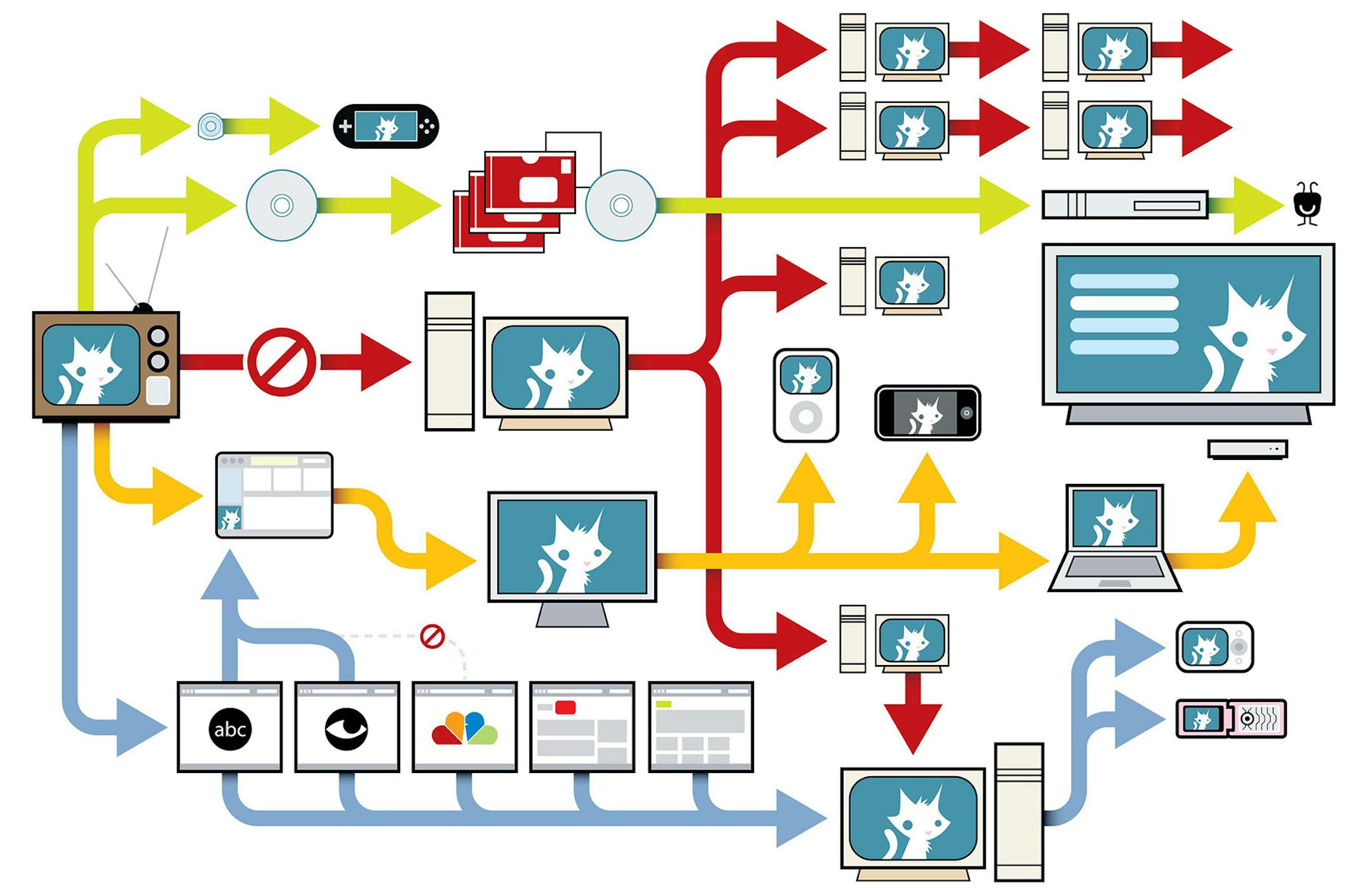
On a flight across the country, you watch the playoff game on live television, listen to some favorite playlists as you catch up on work, then relax with some video poker. Arriving home, you delete the game from your DVR and consider your options. Too tired for an intense cable drama — which you prefer to experience in immersive weekend marathons of at least three episodes each — you stream a first-season episode of "Duck Dynasty" from Amazon.com, then run last week's "Elementary" from your DVR queue. While watching, you check IMDB.com to see where you've seen that familiar-looking guest star before. Then you jump to your Facebook and Twitter feeds. You finish the evening with "SportsCenter," recorded just far enough ahead that you can skip most of the commercials.
Little of this customized entertainment would have been possible a decade ago — and almost none of it shows up in the income and productivity statistics that dominate our understanding of the economy.
A form of progress that large numbers of people experience every day, the increase in entertainment variety and convenience represents a challenge to the increasingly conventional wisdom that American living standards have stagnated, at least for the middle class.
The proliferation of entertainment choices doesn't by itself refute those arguments. But entertainment is far from the only sector of the economy where unmeasured quality and variety improvements have ramped up in recent years. It reminds us how easy it is to take for granted even fairly obvious increases in the standard of living and real incomes of typical Americans.
It's not as though no one has noticed the improvements. Critics often opine on whether the proliferation has produced a "new golden age of television," while media companies and advertising agencies live in fear of what all that competition means for future profits. From the mobile-phone business to social media — not to mention movies, games, music and sports — an enormous amount of innovative talent goes into developing new entertainment goods and services.


