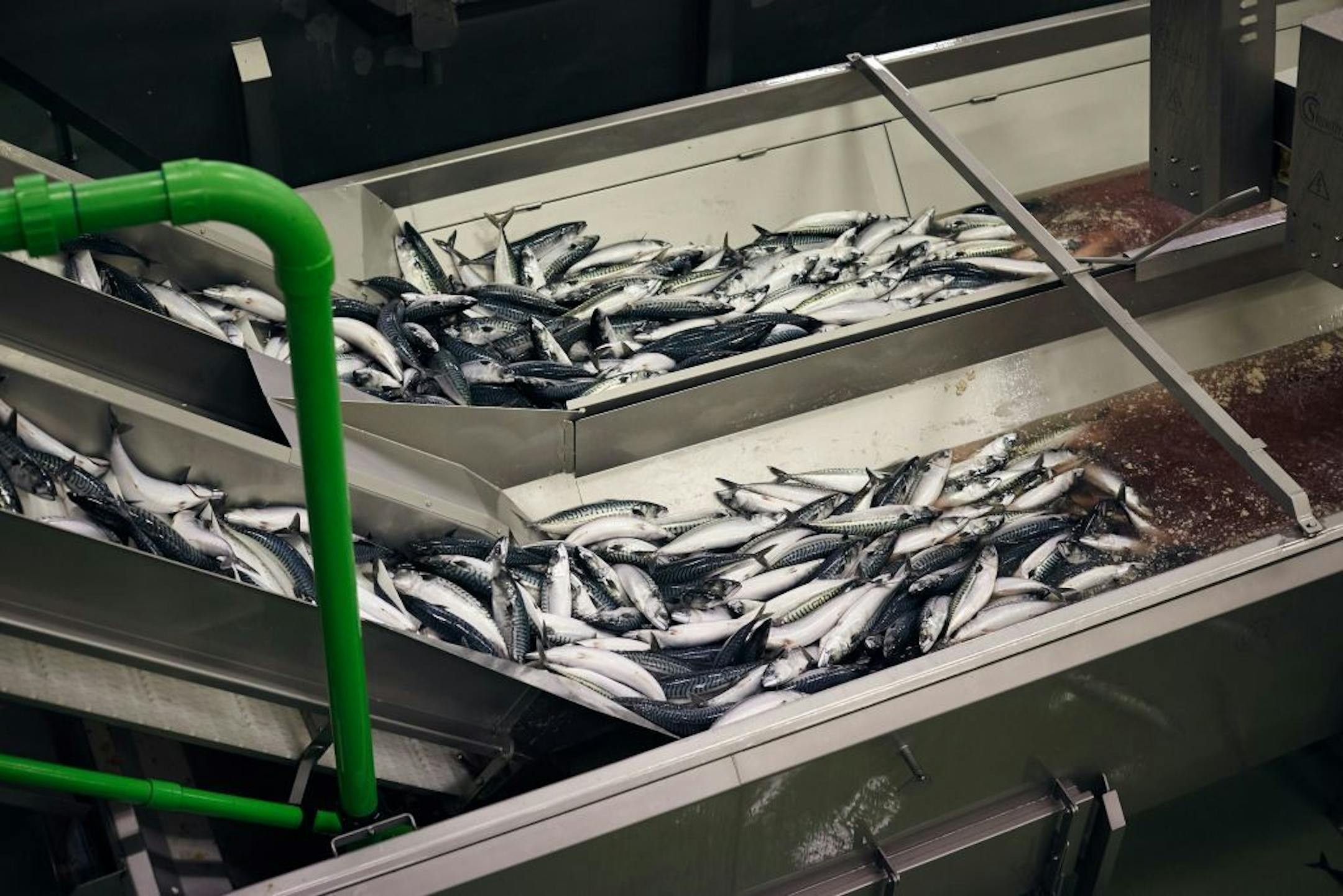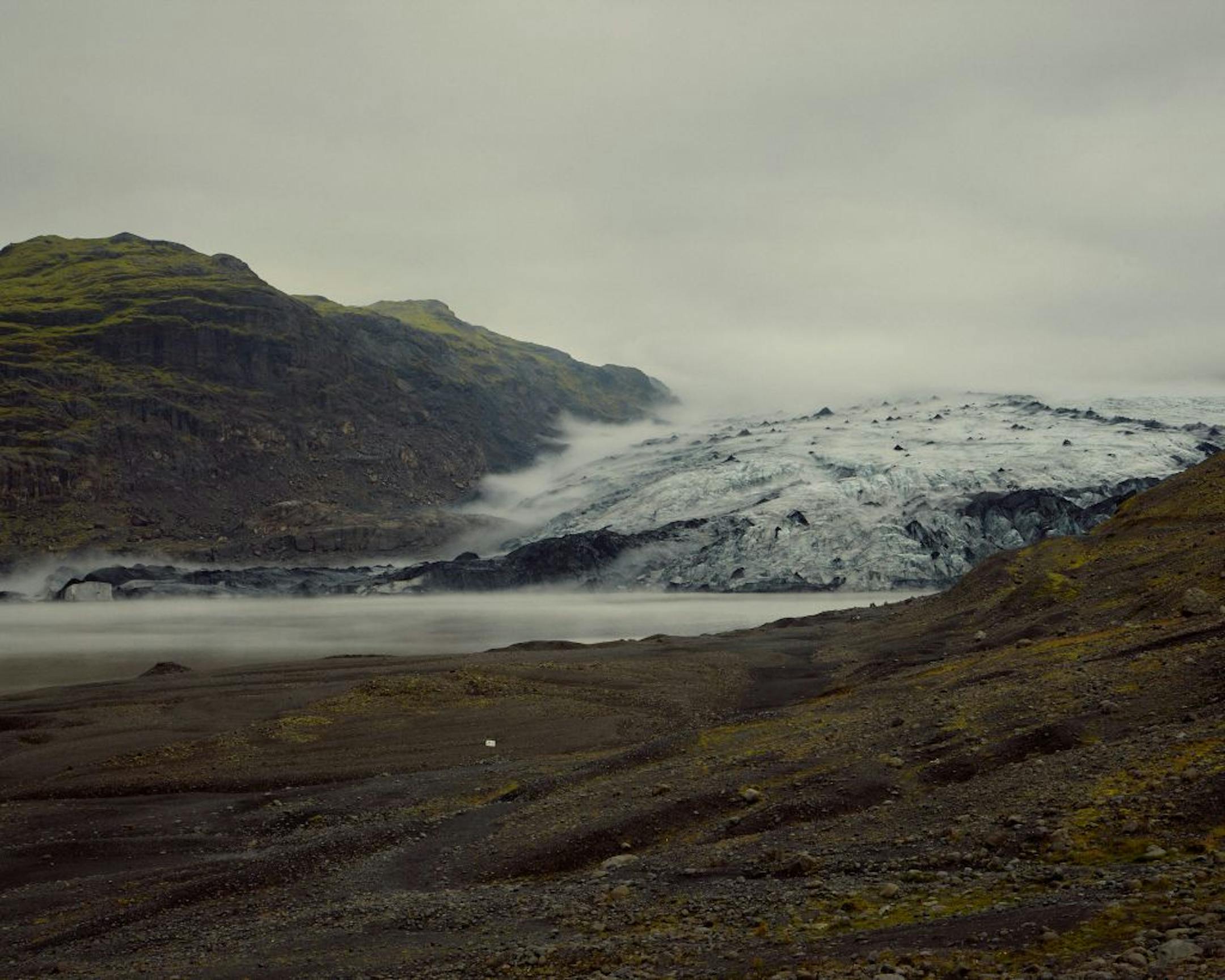
From the offices of the fishing operation founded by his family two generations ago, Adalsteinn Ingólfsson has watched the massive Vatnajökull glacier shrink. Rising temperatures have already winnowed the types of fish he can catch. But the wilting ice mass, Iceland's largest, is a strange new challenge to business.
"The glacier is melting so much that the land is rising from the sea," said Ingólfsson, CEO of Skinney-Thinganes. "It's harder to get our biggest trawlers in and out of the harbor. And if something goes wrong with the weather, the port is closed off completely."
As temperatures rise across the Arctic nearly faster than any place, Iceland is grappling with the prospect of a future with no ice. Energy producers are upgrading hydroelectric power plants and experimenting with burying carbon dioxide. Proposals are being floated for a new port to capitalize on potential cargo traffic as shipping companies vie to open routes through the melting ice. The fishing industry is slashing fossil fuel use with energy-efficient ships.
Glaciers occupy more than a tenth of this island. Every single one is melting. Where other countries face rising seas, Iceland is confronting a rise in land.
When Europe suffered record-breaking heat in July, Iceland's capital, Reykjavik, clocked its highest temperatures ever. Iceland's economy is on the cusp of a recession, partly because an important export, the capelin fish, vanished this year in search of colder waters.
"We are taking responsibility to seek practical solutions," President Gudni Jóhannesson said. "But we can do better."
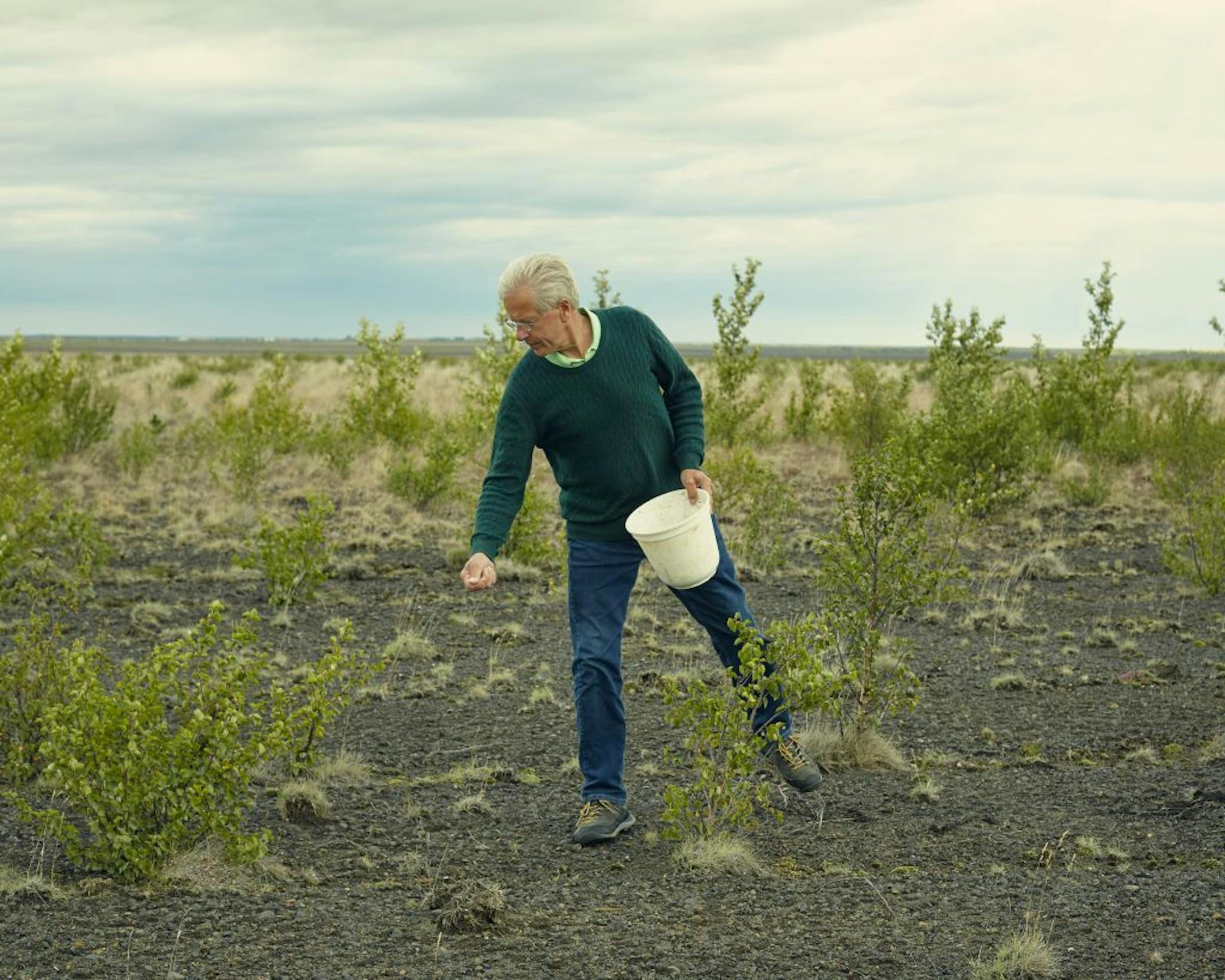
The country elected Katrín Jakobsdóttir as prime minister in 2017 on a platform of tackling climate change. Her government is budgeting $55 million over five years for reforestation, conservation and carbon-free transport projects.
Environmental activists say that still isn't enough to make Iceland, a wealthy nation of just 350,000 people, a model. Despite generating clean geothermal energy and hydropower, major industries also produce a third of Iceland's carbon dioxide. Tourism, now the engine of growth after a banking collapse in 2008, has added to Iceland's climate woes.