

Opinion editor's note: Star Tribune Opinion publishes a mix of national and local commentaries online and in print each day. To contribute, click here.
•••
We may vote once or twice a year, but most of us watch television every day.
Pop culture says a lot about the hopes we have for politics. And in a politically polarized and unequal society, we express our political identities as tastes. We aren't just divided into red and blue America. We divide ourselves into Fox people vs. CNN people, country music vs. hip-hop people and reality TV vs. prestige drama people. The lines are not fixed — there is always crossover — but they are rooted in something fundamental: identity. Our imagined Americas are as divided as our news cycles.
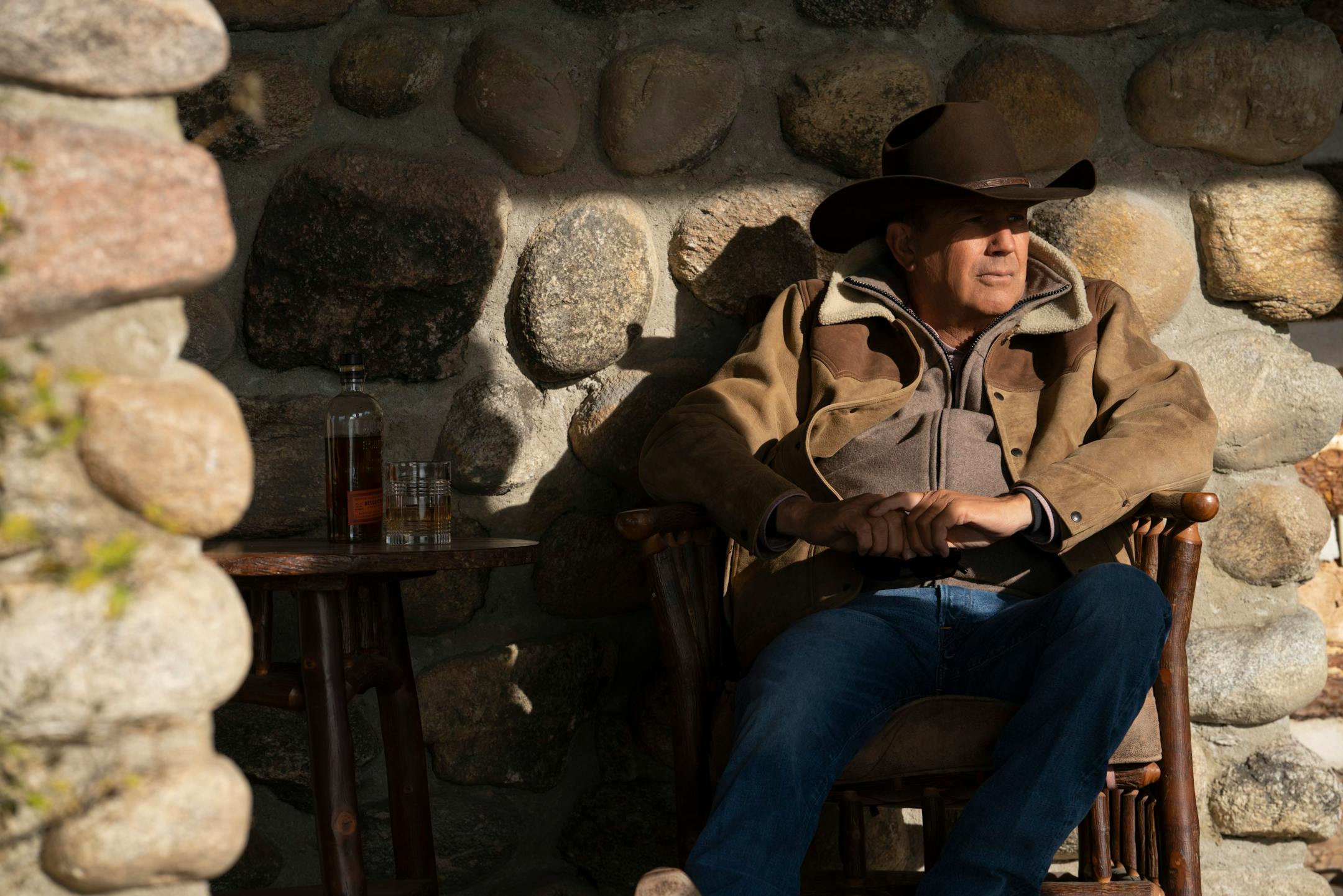
Paramount Network's "Yellowstone" is a prime example. While liberal audiences mostly ignore it, this soapy conservative prestige television juggernaut is gobbling up audience share. An informal survey of my own filter bubble bears witness. When I asked my roughly 220,000 Twitter followers for television and movie recommendations, many offered up the usual award-winning and buzzy fare. Netflix's "The Umbrella Academy," Amazon Prime's "The Boys," Apple TV+'s "Ted Lasso" and HBO's "Hacks" were givens. Critical darlings "Stranger Things," "The Bear" and "Only Murders in the Building" rounded out the list. I saw only one person suggest "Yellowstone," and only in a private message. I dare say my bubble leans coastal elite.
These asymmetrical responses match findings from a working paper by two sociologists, Clayton Childress at the University of Toronto and Craig Rawlings at Duke University. The paper is titled "When Tastes Are Ideological: The Asymmetric Foundations of Cultural Polarization." It is part of the subfield of sociology that studies how culture reflects and reproduces inequality. Childress and Rawlings draw out several asymmetries in how liberals and conservatives consume cultural objects like music and television.
I called Childress to talk about "Yellowstone." He laughed in immediate recognition, calling it a perfect example of asymmetrical cultural polarization: Liberals aren't watching "Yellowstone" for cultural reasons and conservatives love it for ideological ones, he said.
It is easy to assume that snobbish liberals don't watch what conservative audiences love. But another documented asymmetry in how conservatives and liberals consume culture complicates that idea.


