

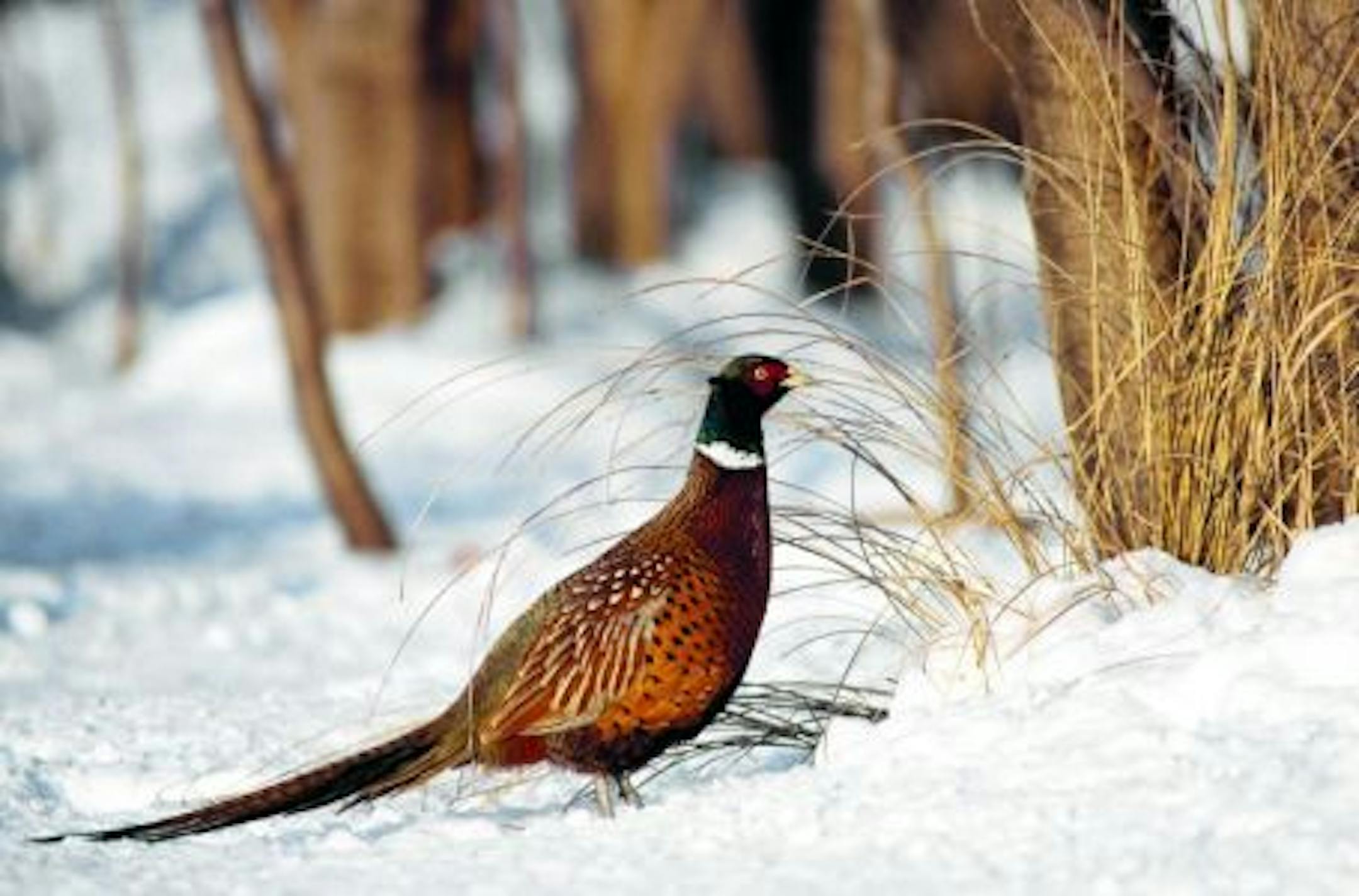
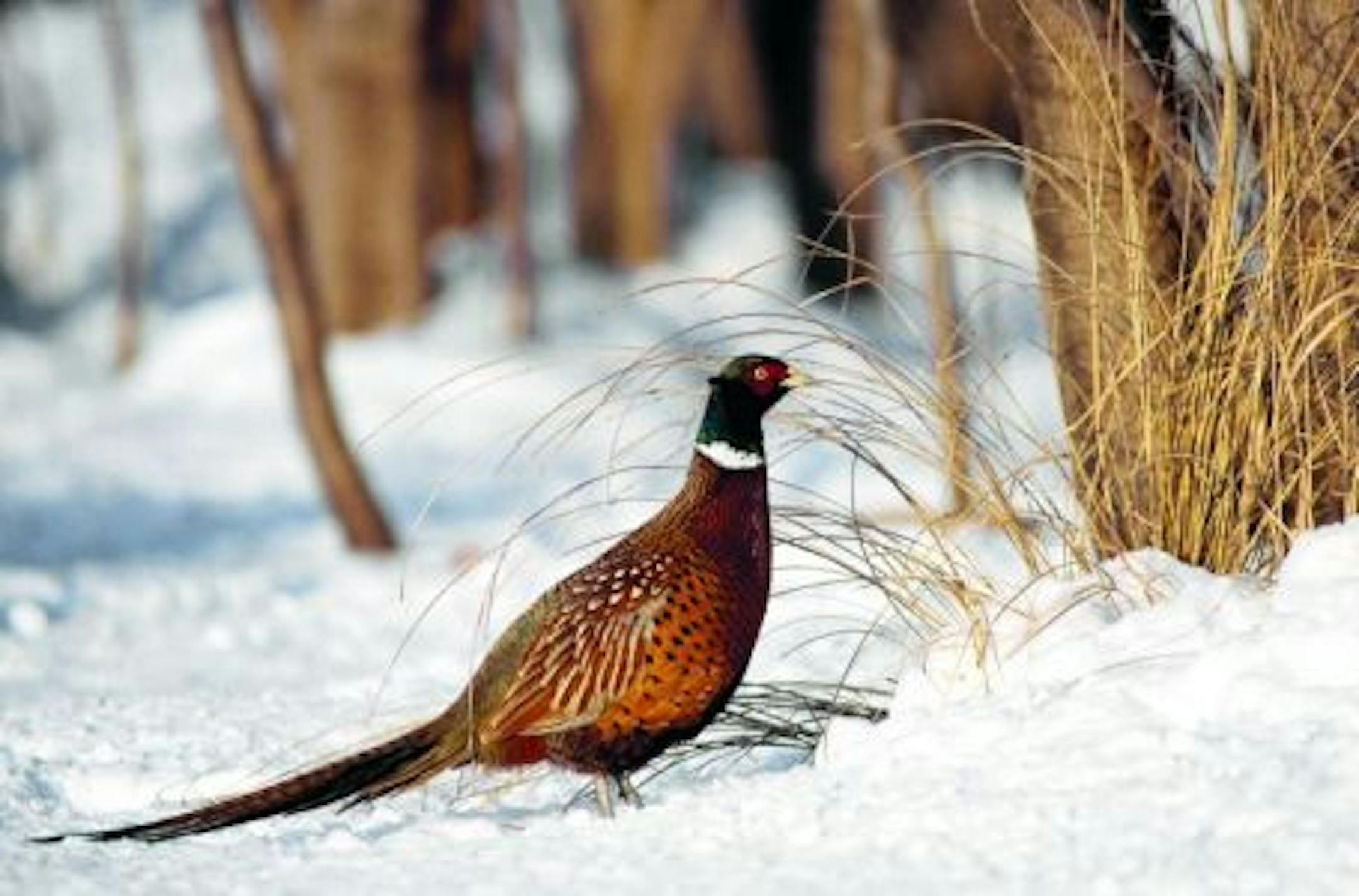
While the fine folks in Kansas, Nebraska and Colorado may disagree, I consider December 1st the beginning of late season pheasant hunting. By now, most states' roosters have been flushed a time or two. Many have evaded canines and errant shooting. Along with the birds' "education," I believe the arrival of snow changes the game for bird dog and hunter. As I write this evening, I've just finished packing for a South Dakota pheasant trip where 6 to 8 inches of snow is expected to fall by the time I arrive. Here are some of the flurries in my head:
Fresh Snow
Only opening day fills me with more excitement than the morning after the season's first snow fall. It's been my experience the birds move to thermal cover (cattails, thickets, willows, shelter belts, etc.) as soon as the snow falls and they hold tight that first morning. For a hunter with a close working pup, it can be magical. The other benefit of a fresh snow is the ability to see tracks. Not only can you locate where the birds are, you can also eliminate where they're not. I don't know about you, but when I KNOW the birds are there, I focus better on being ready and shoot with more accuracy.
Crusty Snow
In my opinion, snow that's been on the ground long enough to develop an icy crust creates the most difficult conditions to hunt. Not only does it make the walking tough, but each step is a warning blast to "educated" roosters planning their escape hundreds of yards out of your gun's reach.
Cattails
At 5'7" (some would say I'm only 5'6"), I have short legs for busting cattails. However, I am just tall enough to get poked right in the face with every pointed cattail spear. I also have a long-legged grassland running pointing dog ill-suited to busting cattails. Cattails are my least favorite part of pheasant hunting. No matter how much I protest, I know one simple fact: pheasants love cattails sloughs, especially in the winter.
Cold Hands

