

Opinion editor's note: Star Tribune Opinion publishes a mix of national and local commentaries online and in print each day. To contribute, click here.
•••
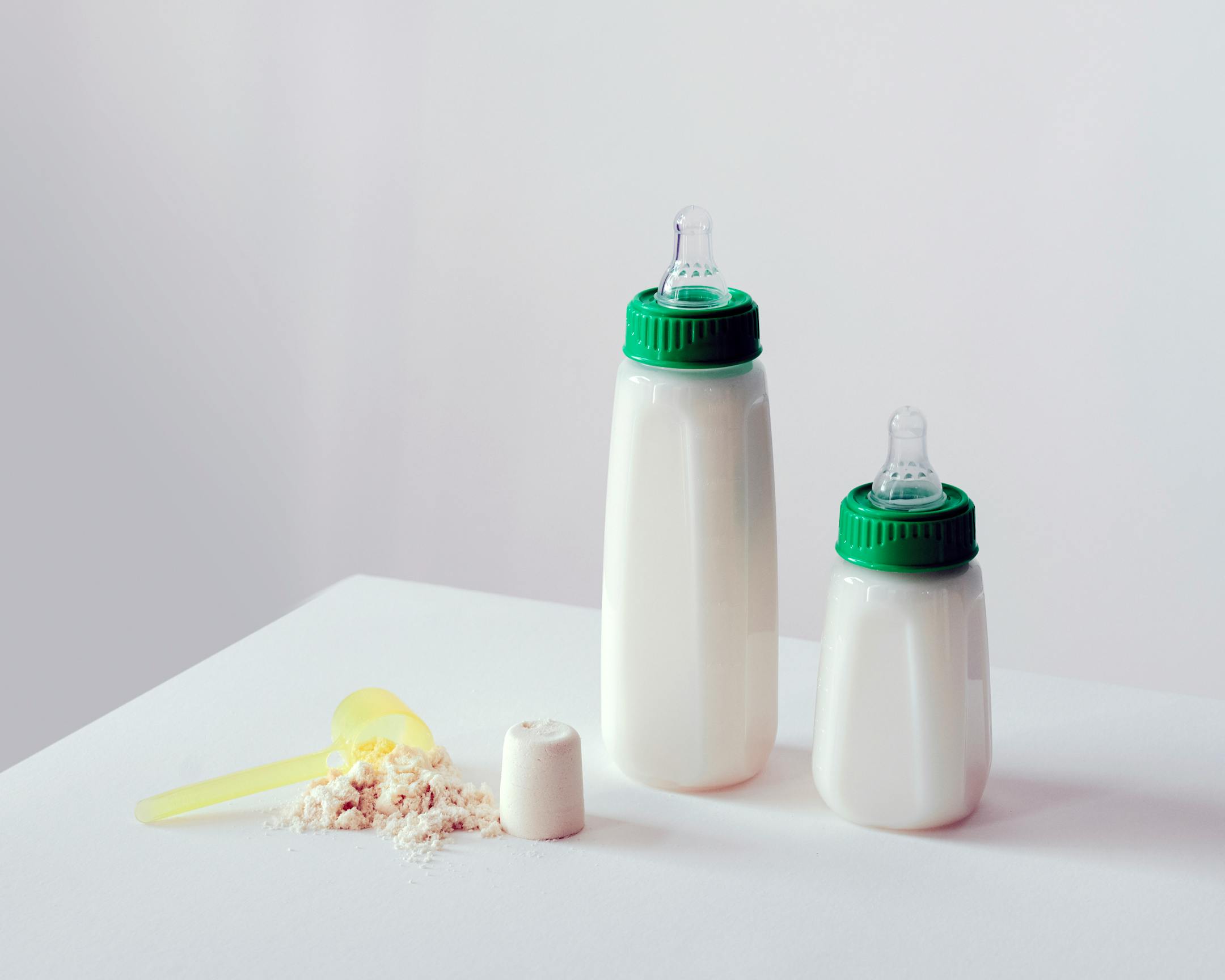
I'm 24 weeks pregnant, staring down a national formula shortage, just hoping it works itself out before the new baby arrives. My first child was born in April 2020, less than a month into COVID-19 lockdown. He arrived 3½ weeks early, starved out by my preeclampsia (a pregnancy complication that can prevent blood flow to the placenta, disrupting nutrient delivery to the fetus). He weighed just 4 pounds 5 ounces, and he broke out of my womb in search of food.
He got it immediately, whisked off to the neonatal intensive care unit and pumped full of formula while I recovered from a thank-God-for-modern-medicine birth. I lost more than 3 pints of blood after the delivery, enough to fill two wine bottles — enough too, it turned out, to decimate my milk supply.
I had been planning to breastfeed. I am the type of mom who typically does — educated, affluent, with a flexible job and friends who breastfed their kids. My baby was too small to latch, so I spent weeks pumping constantly, hoping my milk supply would come in by the time he was big enough to hop on the boob. I FaceTimed lactation consultants, I took supplements, I bought a breast massager that looks like a weird little vibrator. At no time did any of the medical professionals I encountered suggest that breastfeeding might not be for me.
All the while, my husband fed the baby. The three of us woke up together every night and sat facing one another at our stations, eating and feeding and pumping.
Six weeks in, after a battle with clogged ducts reduced my low supply to a trickle, I decided to wean off the pump. I'd been crying daily, feeling like a failure, beset by anxiety and self-doubt, not to mention the physical pain, wallowing in a bath with a fever, sore breasts and a couple of ounces of breast milk in the fridge. Once I made up my mind to stop, all of this vanished.
There are countless studies on the positive effects of breastfeeding, but when you drill down on them, the known benefits are modest. Many studies measure parental traits (socioeconomic status in particular) more than anything else, the effects shrinking, and sometimes evaporating when subjected to sibling comparisons.


