

Opinion editor's note: Star Tribune Opinion publishes a mix of national and local commentaries online and in print each day. To contribute, click here.
•••
Recent reports that Department of Energy and FBI officials think the COVID-19 pandemic originated with a so-called lab leak appear to have provided all the "evidence" many require. As a scientist who has led or contributed to several peer-reviewed studies that tell a very different story, I've looked on with amazement at the growing divide between what the science shows and what much of the public — and a minority of the intelligence community — believe. But I've also watched with understanding for those who still suspect a lab leak because I started there myself.
The nucleus of all lab leak conjectures — they are not a single hypothesis but a wide range of sometimes mutually exclusive speculations — was famously captured by the comedian Jon Stewart. "Oh, my God, there's a novel respiratory coronavirus overtaking Wuhan, China — what do we do?" Stewart said during a June 2021 appearance on "The Late Show With Stephen Colbert." "Oh, you know who we could ask: the Wuhan Novel Respiratory Coronavirus Lab. The disease is the same name as the lab!"
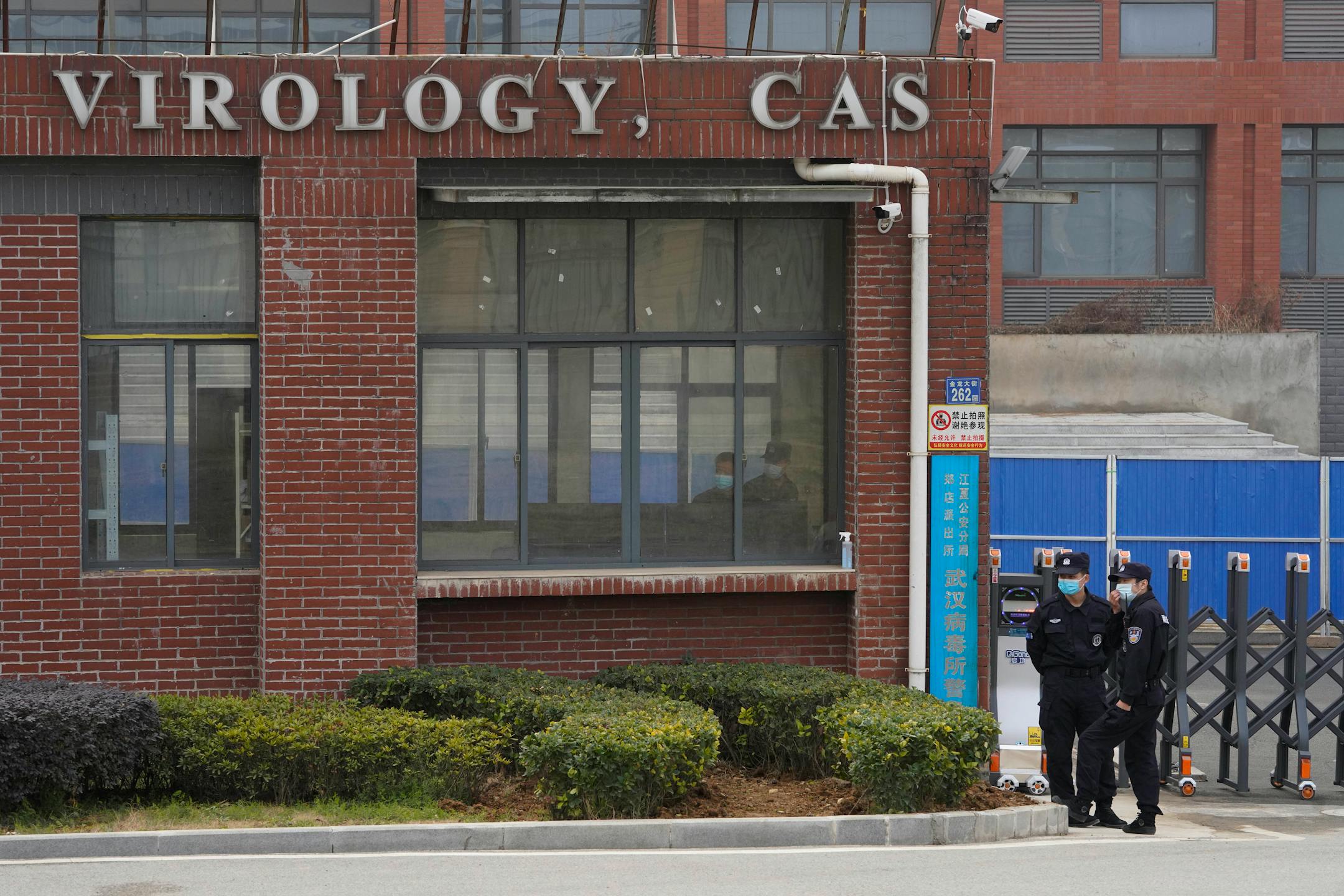
Stewart didn't have the name right, but he was referring to the work of the Chinese scientist Shi Zhengli, whose lab at the Wuhan Institute of Virology does indeed study SARS-related coronaviruses from horseshoe bats, the ultimate reservoir of both the original SARS virus and SARS-CoV-2, the virus that causes COVID-19.
The month before Stewart's tirade, Science published a letter by me and several other scientists arguing that lab leak hypotheses must not be prematurely dismissed. The letter dramatically shifted the debate about where COVID came from; two weeks later, the Biden administration announced a 90-day intelligence community review of the pandemic's origins.
While the intelligence community did its work, I set about my own. Though I considered a lab leak plausible, I nevertheless thought a zoonotic origin — a jump from animal to human — to be considerably more likely. Around the same time, the likelihood of a natural origin was bolstered by a paper from scientists in China and Britain proving that live specimens of mammal species previously found to harbor SARS viruses had been sold at markets in Wuhan just before the onset of the pandemic.
A scientist's job is to kick the tires of a hypothesis — to try to falsify it. I tabled all my other research to try to falsify the hypothesis that the pandemic began at one of those markets, the Huanan Seafood Wholesale Market, where many of the earliest known COVID patients worked.


