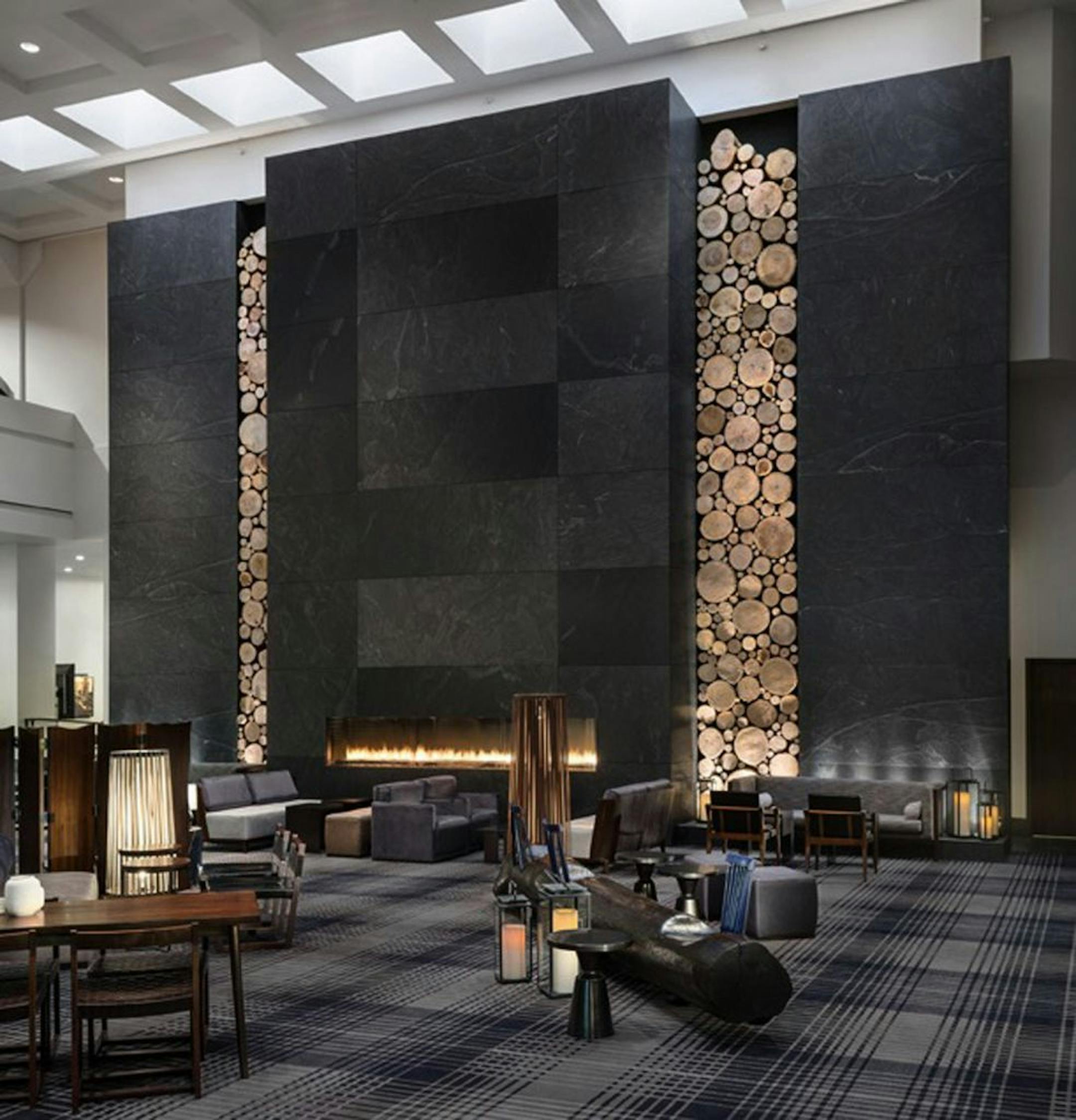
The newly refurbished Hyatt Regency in downtown Minneapolis is no prototypical, carbon-copy Hyatt design. It's a one-of-a-kind redo, a decidedly un-cookie-cutter approach, said general manager Randy Thompson.
They went local, a big and rare step.
Stonehill & Taylor, the architectural firm in charge of the $25 million renovation, wanted to do more than tie the building to its location and history, said Mike Suomi, vice president of interior design at the New York-based firm. "This is the first time we took it to a new level."
The company spent time researching the area's history, including its Scandinavian roots and Minneapolis' three dominant industries -- lumber, flour and woolen mills -- that sprang from St. Anthony Falls. Local history was an inspiration, but the renovation was also done to maximize the impact on the local economy and minimize its environmental footprint, Suomi said.
Most of the locally sourced materials came from within 500 miles of the Twin Cities, and 80 percent of the furniture, fixtures and equipment for the 533-room hotel was produced in the United States or Canada.
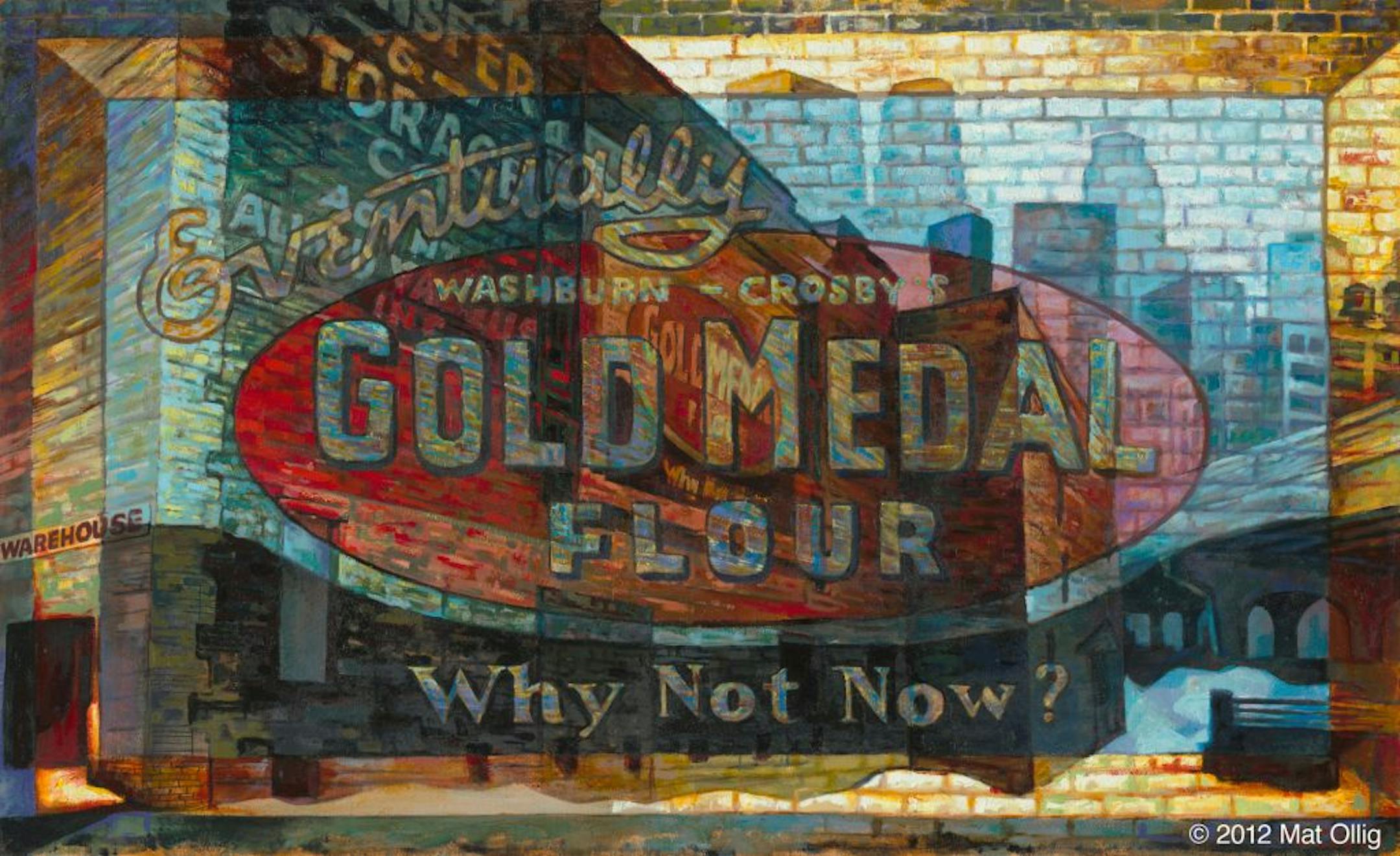
Stone countertops for the bathrooms came from Cold Spring Granite's quarry near Ely, Minn. Accessories from Red Wing Pottery were placed in each guest room. Minneapolis College of Art and Design graduate and local artist Mat Ollig created several pieces, including a print of an old Gold Medal Flour ad with the Minneapolis skyline in the background, which was placed in 250 rooms. The Hyatt had hoped to use blankets from Faribault Woolen Mills, but after the plant closed in 2009, those plans were scrapped. (The plant in Faribault has since been reopened and its products are being considered for a second phase of the development.)
Jeff Coy of JLC Hospitality Consulting in Phoenix described the locavore project as unique. "When a hotel tries to incorporate regional materials to lend authenticity, but also regional employment, that's a big positive," he said. It's also uncommon. Only about 5 percent of all hotels being built or renovated go to such lengths, he said.
Even with historical influences, the renovation is not meant to be museum-like. The lobby's sleek, modern gas fireplace framed with floor-to-ceiling stone panels and rough cross-cut logs, hints at the area's history without heavy-handed images of lumber, flour and woolen mills.