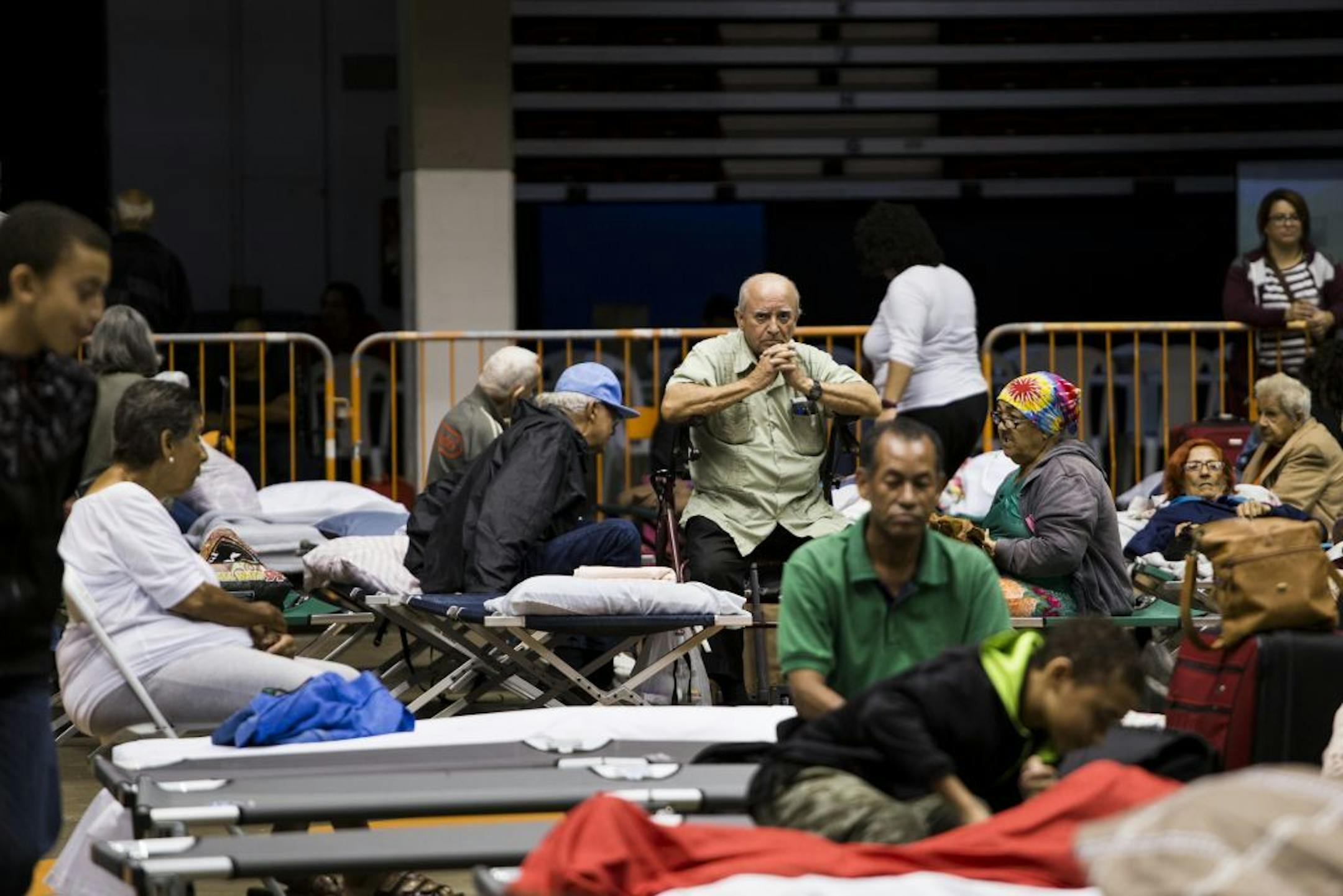
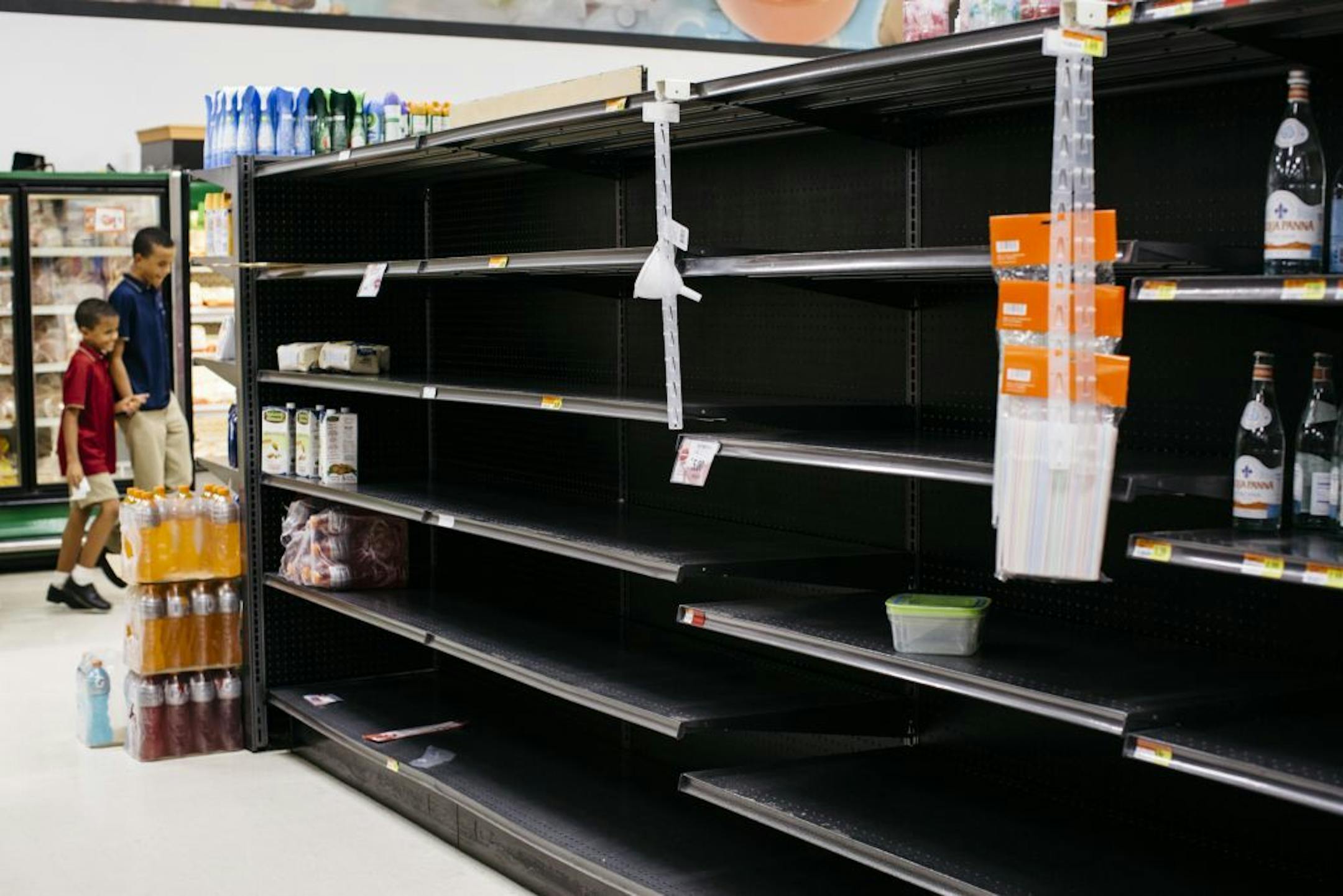
SAN JUAN, Puerto Rico — Hurricane Maria barreled toward Puerto Rico on Tuesday night after wreaking widespread devastation on Dominica and leaving the small Caribbean island virtually incommunicado.
As rains began to lash Puerto Rico, Gov. Ricardo Rossello warned that Maria could hit "with a force and violence that we haven't seen for several generations."
"We're going to lose a lot of infrastructure in Puerto Rico," Rossello said, adding that a likely island wide power outage and communication blackout could last for days. "We're going to have to rebuild."
Authorities warned that people in wooden or flimsy homes should find safe shelter before the storm's expected arrival Wednesday.
"You have to evacuate. Otherwise, you're going to die," said Hector Pesquera, the island's public safety commissioner. "I don't know how to make this any clearer."
By Tuesday night, the U.S. National Hurricane Center in Miami said Maria's winds had intensified to 175 mph (280 kph) and additional strengthening was possible. At 11 p.m. EST, Maria was centered about 30 miles (45 kilometers) south-southeast of St. Croix, or 120 miles (190 kilometers) southeast of San Juan, Puerto Rico, and was moving west-northwest at 10 mph (17 kph).
Maria's center was expected to pass several miles south of St. Croix late Tuesday on its way to Puerto Rico, prompting U.S. Virgin Islands Gov. Kenneth Mapp to ask that people remain alert.
St. Croix was largely spared the widespread damage caused by Hurricane Irma on the chain's St. Thomas and St. John islands just two weeks ago. But this time, the island would experience five hours of hurricane force winds starting about 11 p.m. EST, Mapp said.