

For years, Mike Polehna and his friends had a weekend ritual. Many Saturdays and Sundays would find them prowling the woods along Woodbury's border with Afton, decked out in camouflage, and scanning the sky for Canada geese. In those days, he said, it was possible to drive for miles without seeing a single home.
Now, he sees rows and rows of houses as he passes through the area that has since evolved into the Stonemill Farms neighborhood. Nearby, an ambitious development that could add 600 residential units a year over the next decade to the area south of Bailey Road is taking shape.
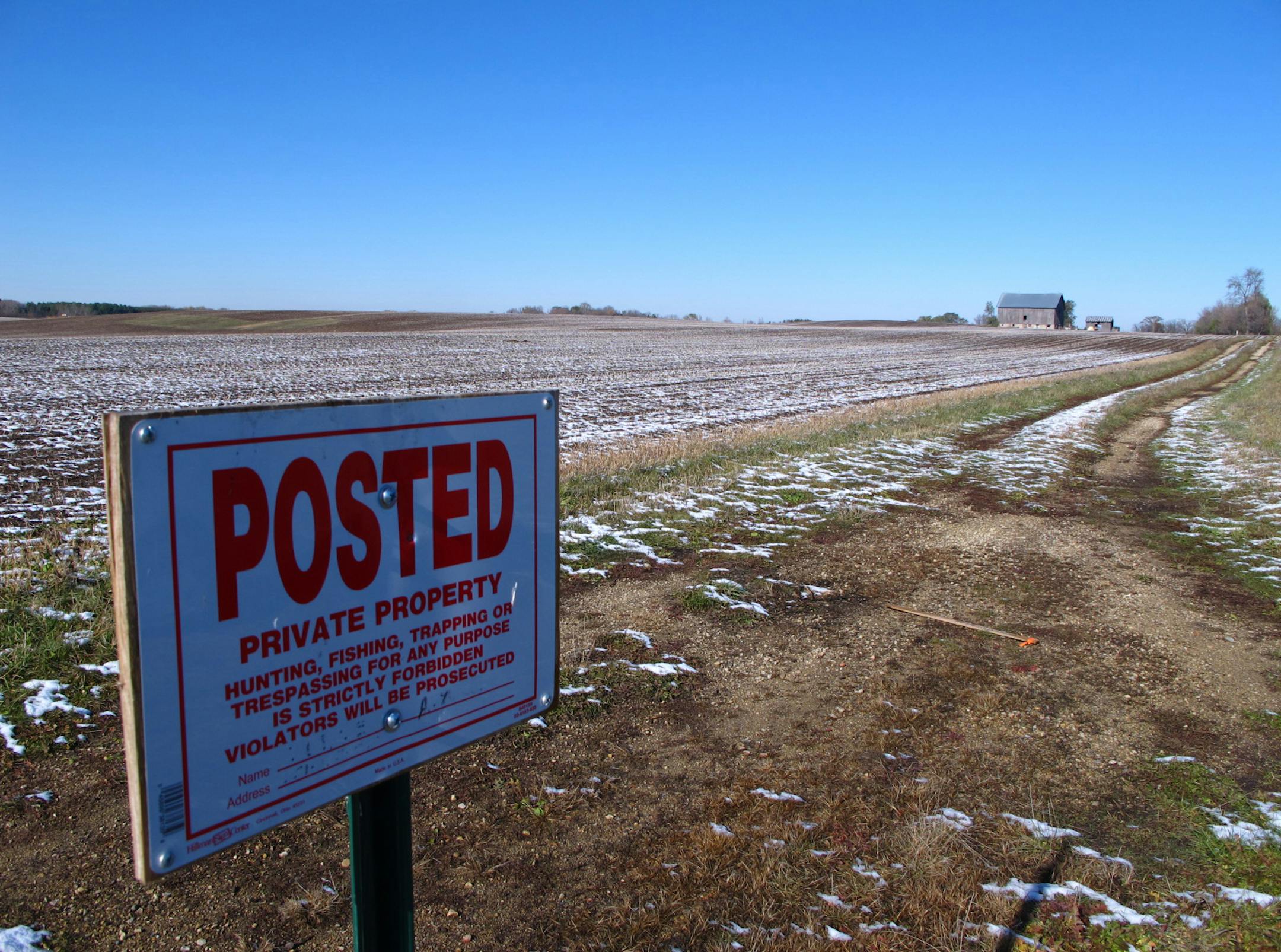
Hunters see this as a growing problem in Woodbury, where land that used to brim with deer and other wildlife is being swallowed up by developers eager to capitalize on a rebounding economy. Here, as in other formerly rural areas, rapid growth has pushed outdoorsmen farther and farther away to find hunting land during deer season, which began on Saturday.
"I used to pull my kids out of school to go, it was so good," said Polehna, Washington County's parks manager and a Stillwater City Council member. These days, he said, "It's just a nightmare, so I don't go down there anymore."
Tim Marion, an area wildlife supervisor for the Minnesota Department of Natural Resources and an avid hunter, said the real estate boom of the past decade "ate up a lot of cropland and existing hunting areas." Many cities across the metro area have tightened rules on where people can hunt, he said.
"Not everybody can afford to drive four or five hours north or south or west to the larger tracts of hunting areas, because of the cost of gas," Marion said. "So if we can continue to purchase land within this area, it's a lot easier. It's more convenient for people to drive half an hour or 45 minutes. It's less expensive."
Under Woodbury's firearms ordinance, licensed hunters must obtain special permission from police to hunt in the so-called restricted zone in the southern third of the city, stretching from Newport to Cottage Grove Drive, along with the owner's or lessees' permission. But hunters only need the blessing of the landowner to hunt in the city's southeast corner, on land designated as open. Hunters also are required to stay at least 500 yards away from houses and buildings.
Jeff Felde has watched as high-end homes have gone up in the fields across Radio Drive from his property where he and his friends used to hunt Canada geese. "Now with the acreage being divided smaller and smaller, it's harder to keep that distance," he said.


