A group of men held at a northern Minnesota treatment center for sex offenders are entering their second week of an indefinite hunger strike that has led to the hospitalization of three of the men.
The hunger strike marks the second time this year that detainees at the center have gone without nourishment and has been organized to protest the historically low rate of release from the Minnesota Sex Offender Program (MSOP), which confines more than 740 men at prisonlike detention centers in Moose Lake and St. Peter. Some men have been held at the MSOP treatment centers for years or even decades after completing their prison terms — effectively turning the program into what detainees describe as a life sentence.
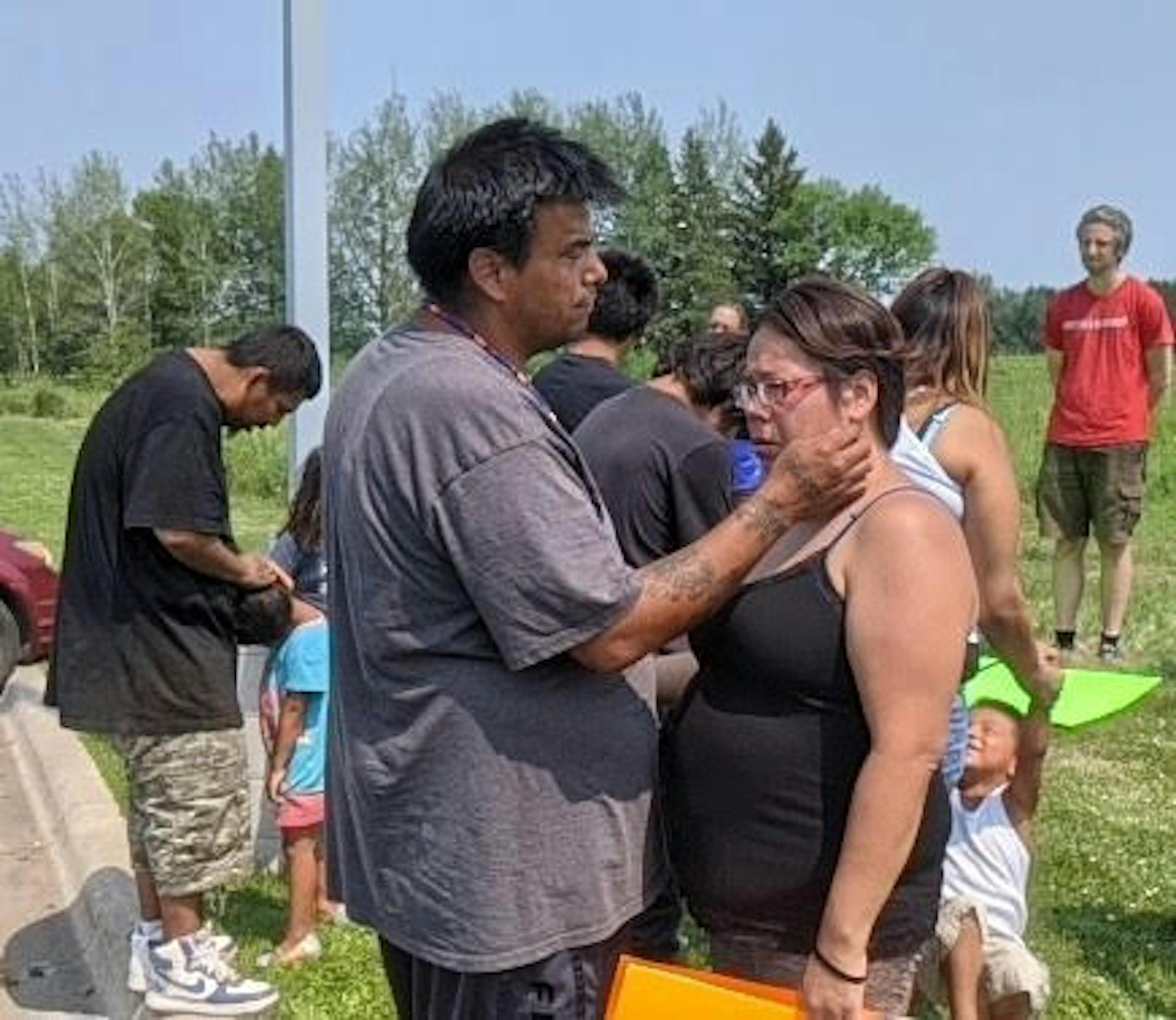
On Sunday, some family members of detainees participating in the hunger strike gathered for a protest outside the MSOP facility in Moose Lake, which is surrounded by fences topped with razor wire. A few said their loved ones inside the facility told them they were prepared to starve themselves to death. One woman, Tara Sam, broke down in tears upon learning that her brother, Jeremiah Johnson, among the hunger strikers, had just collapsed from fatigue. Three other hunger strikers have been taken to the hospital since Friday after falling unconscious, according to detainees and their relatives.
"This place is a due process catastrophe and needs to be shut down," said Daniel A. Wilson, a participant in the hunger strike and co-founder of OCEAN, a detainee advocacy group from inside the facility.
In a statement, Deputy Human Services Commissioner Chuck Johnson described the hunger strike as "disappointing," pointing to recent efforts by MSOP leaders and others to hold listening sessions with clients, families and their advocates since the last hunger strike in January. Those sessions will result in a report and recommendations that should be finalized in the coming weeks, he said.
"We never want clients to do anything that could endanger their health or become life-threatening. That's first and foremost," Johnson said.
The precise number of people participating in the strike is in dispute. The Department of Human Services, which oversees the MSOP, said "10 or fewer" clients reported they were participating in the hunger strike as of Monday, though detainees say the actual number of participants is closer to 30 because of differences in classifying who is on strike and because many men are not formally telling MSOP staff they are going without food or water.
The strike, which began on July 4, is the latest problem for a state civil commitment system that has lurched from one controversy to the next in recent years and has come under legal challenge. In February, a federal appeals court in St. Louis breathed new life into a protracted legal case challenging the constitutionality of the MSOP, after ruling that claims contesting the program's indefinite confinement could move forward.