

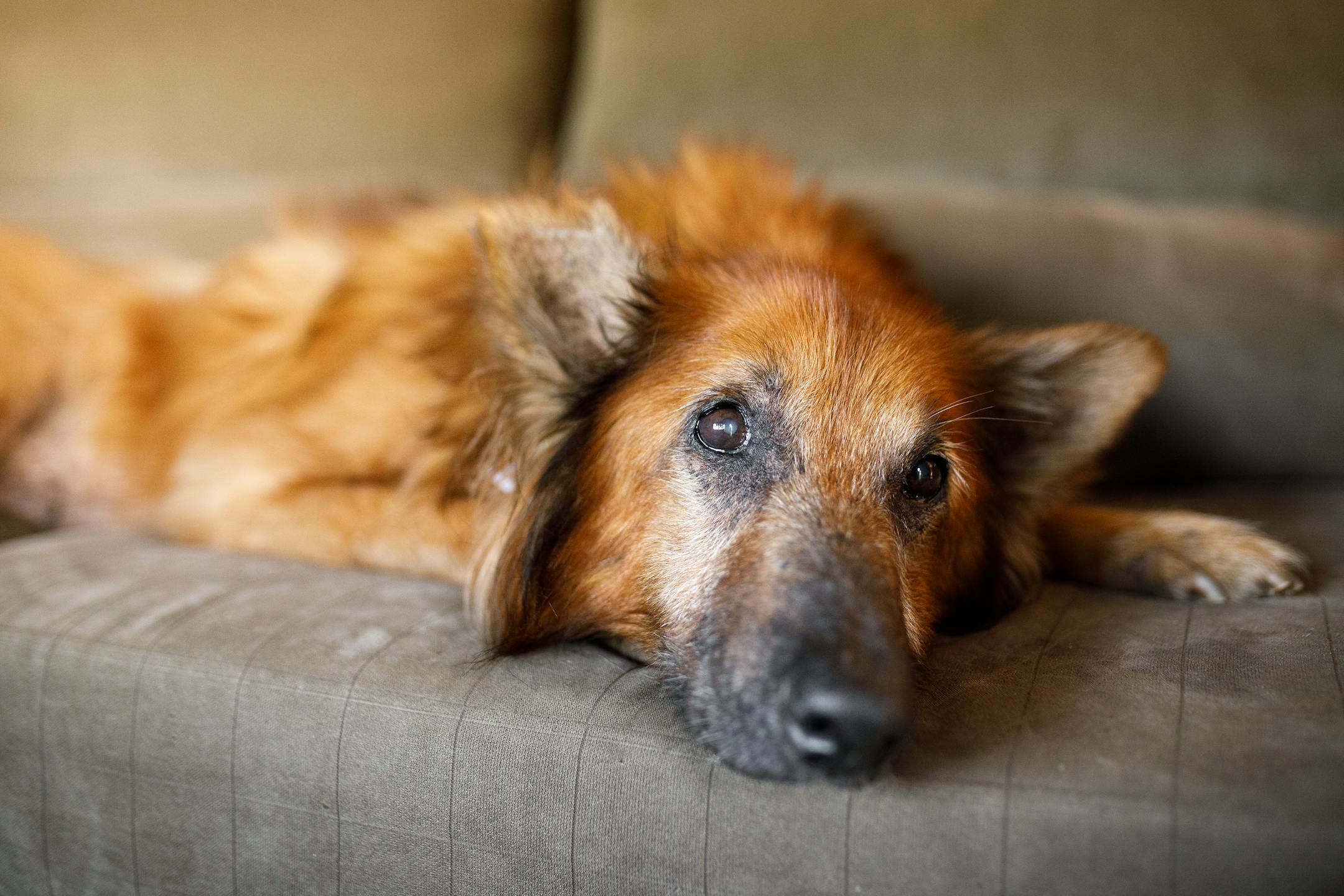
When we lost our dog Harper in October, we were petless for the first time in decades. Our plan was to continue fostering kittens and wait a year or so before getting another dog so that we could travel more frequently and for longer periods.
That lasted all of two months. Four days before Christmas, we adopted Sparkles, a 10-year-old cavalier King Charles spaniel, who was being fostered in Los Angeles by a volunteer for Cavalier Rescue USA.
Sparkles is everything I love about an adult dog. She's perfectly housetrained, has a nice personality, knows how to sit, comes immediately when her name is called, has nice manners in the house and is in excellent health for a dog her age, with a little help from the rescue group, which had her spayed and her teeth cleaned. She has a lot of energy and enjoys going for walks, but when I'm working, she's happy to sack out on the sofa.
As well as Sparkles has adjusted to living in our home, though, such a major change is sure to be a little nerve-wracking for a dog that has been recently adopted. Our goal was to help her feel welcome and to provide guidance so she could easily learn the boundaries in this new place.
Shelters and rescues often advise adopters of the "rule of threes." That is, it generally takes dogs three days to decompress as they transition from a shelter or foster home into their new home; three weeks to become used to the new routine and maybe start testing boundaries; and three months before they truly feel at home with their new family.
Spend those first three days introducing your new dog to the home and surrounding environment. On arrival, take your dog out for a walk around the neighborhood so it can have a chance to potty and take in new sights, sounds and smells. Then calmly bring it inside and walk it through the house.
Keep things low-key — no kids jumping up and down and giving hugs, and no throng of neighbors all eager to meet the latest family member. Put all of that on hold for at least a couple of weeks so your dog has a chance to gradually settle into the new space.
Just as if you were housetraining a puppy, take the dog out regularly until you learn its potty schedule. That minimizes the risks of any accidents in the house. Remember, your calm attitude will set the tone for your dog's behavior.


