

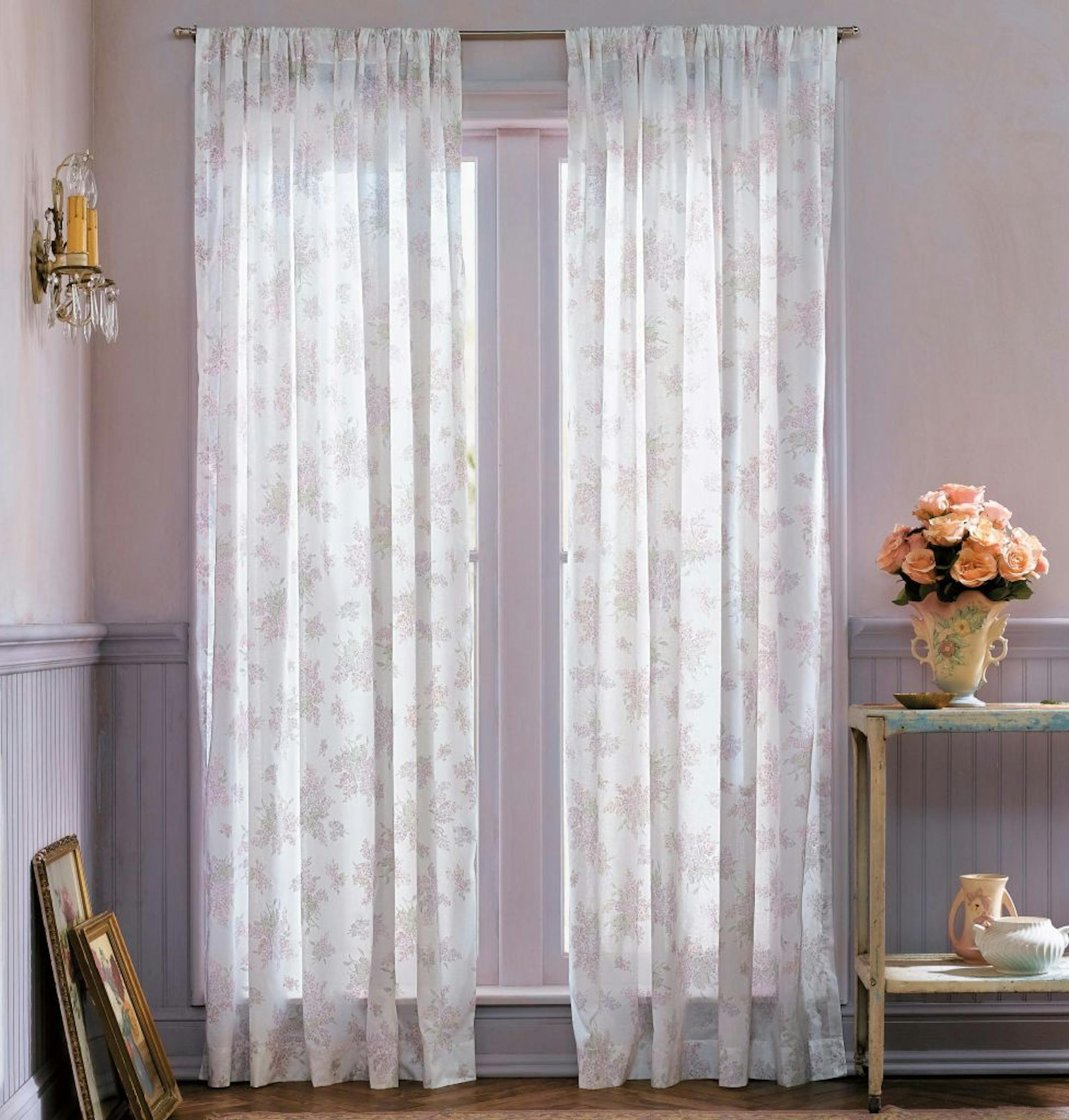
Being energy-efficient isn't just about switching to LED lightbulbs or unplugging idle appliances. It's also about not wasting money and resources to heat and cool your home, a difficult goal to achieve if you have poorly insulated walls or drafty windows.
Even if those are all in great shape, though, installing window treatments such as shades or shutters will eke even more efficiency out of your home's envelope, which is everything separating the inside of your home from the outside.
That's because windows have an outsize impact on heat loss. "They aren't as efficient as a wall," says Michelle Blackston of the National Fenestration Rating Council, which sets efficiency ratings for products like windows, doors and skylights. Although windows amount to about 10% of a home's surface area, heat transfer via windows can account for 30% of energy used for residential heating and cooling, according to the U.S. Energy Department.
Window treatments help reduce heat transfer, but not every room calls for the same product. A room drenched in sunlight, for example, requires something different from one shrouded in shade or in a cooler climate.
Before buying a new treatment, determine what conditions the windows typically experience, whether that's hot summers, frigid winters or a combination of the two. Then head to the Attachments Energy Rating Council's product database, which outlines different product models and their performance capabilities.
What if the product that would give your room the best efficiency bump doesn't align with your design vision? Installing almost any treatment is better for reducing heat transfer than doing nothing, experts say, but consider pairing your preferred model with a more energy-efficient one to multiply the impact.
"The layered approach is best," says Isfira Jensen, principal designer and chief executive of Nufacet Interiors, a residential luxury interiors firm in the New York City area. For example, she often combines cellular shades and drapery in her clients' homes. "Not only is it a beautiful aesthetic, but it also provides functionally a lot of energy efficiency, as well."
You'll only reap the benefit of a lower utility bill if you correctly use your window treatments — meaning they ought to be adjusted as the day progresses. If you aren't inclined to run around repositioning your shades as the sun moves across the sky, there are options for automatic or "smart" window treatments that do the work for you.


