

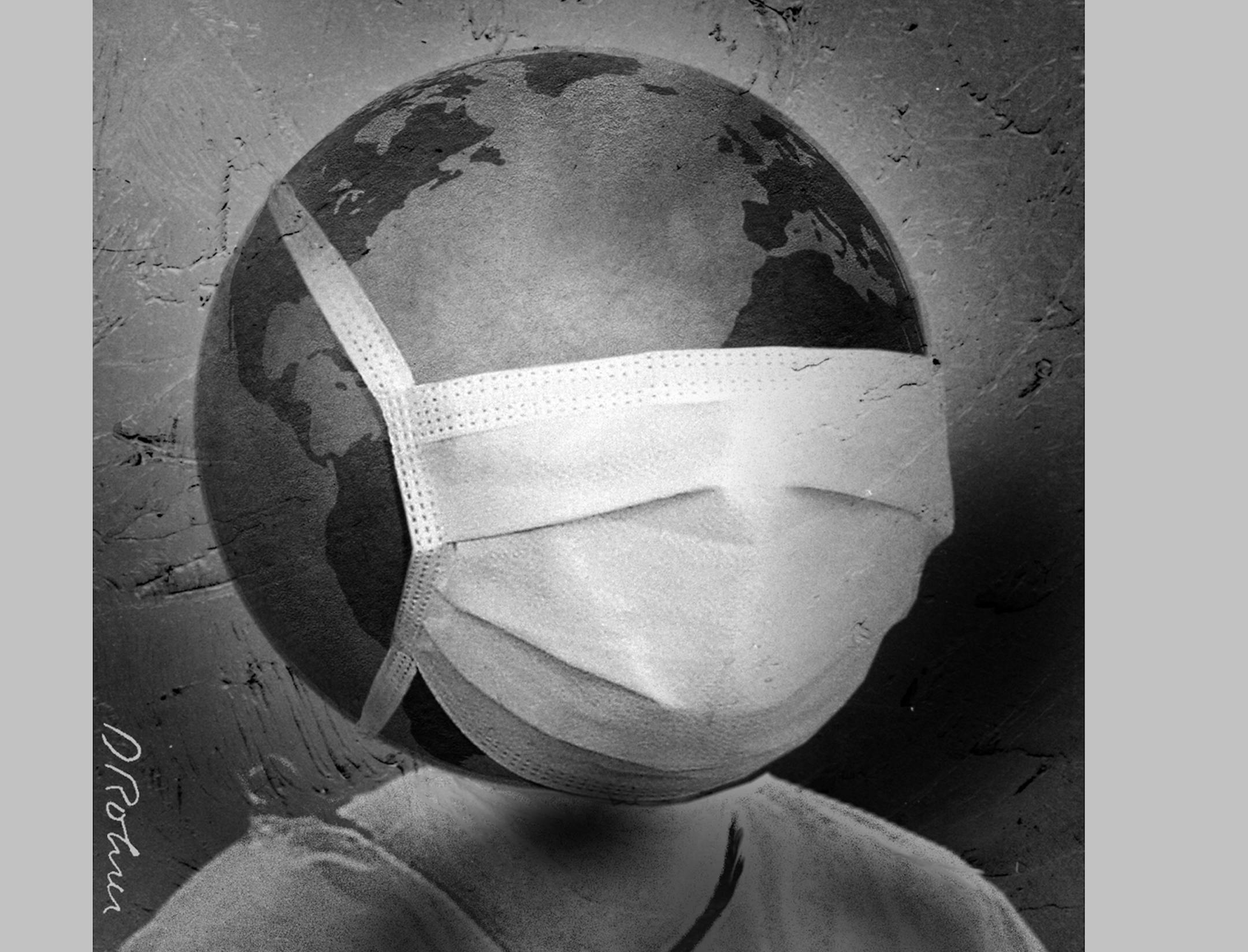
One feature of the tragic case of Thomas Eric Duncan, the first traveler known to have carried the Ebola virus into the United States, rankles me as a physician: Even if every system in place to identify suspected carriers had been working perfectly, he may still have set off a mini-epidemic in Dallas.
Duncan, recall, was screened before his flight and found to have a normal temperature. Asked specifically about exposures, he denied any contact with the ill. On Sept. 25, when he first presented to the emergency room with a fever, he was discharged. He returned three days later with fulminant infection. But the fact remains that even if Duncan had been identified and isolated on the first visit, it may have been too late. He had probably been exuding the virus for days. The news that a nurse who helped treat Duncan has now tested positive for the disease, evidently because of a breach of safety protocols, adds to the picture of disorder.
In the wake of the Duncan case, three strategies to contain the entry and spread of Ebola in the United States have been proposed. The first suggests drastic restrictions on travel from Ebola-affected nations. The second involves screening travelers from Ebola-affected areas with a thermometer, which the federal government is beginning to do at selected airports. The third proposes the isolation of all suspected symptomatic patients and monitoring or quarantining everyone who came into contact with them.
Yet all of these strategies have crucial flaws. In the absence of any established antiviral treatment, we may need to rethink the concept of quarantine itself.
"Quarantine" sounds like a medieval concept because it is. Invented in the mid-1300s to stop the bubonic plague, the word derives from the Italian for "40 days," the time used to isolate potential carriers. Although the practice has been reformed over the centuries, pitfalls remain.
An indiscriminate ban on travel would make it impossible for aid workers to reach the most widely affected areas, obviously deepening the medical and humanitarian crisis. It would also encourage subversion: Travelers might pass through other countries, confounding efforts to track their origin.
Screening travelers from affected areas using questionnaires and temperature may prove effective, but low-grade fevers can easily be concealed with antipyretics like Tylenol. More important, by the time an Ebola carrier has a fever, he or she is already in an infectious phase and may have exposed many others to the virus.
Isolating symptomatic patients is certainly effective, but by that point a carrier may have already infected dozens of people. Even when surveillance is well deployed, the collateral costs associated with it are forbidding.


