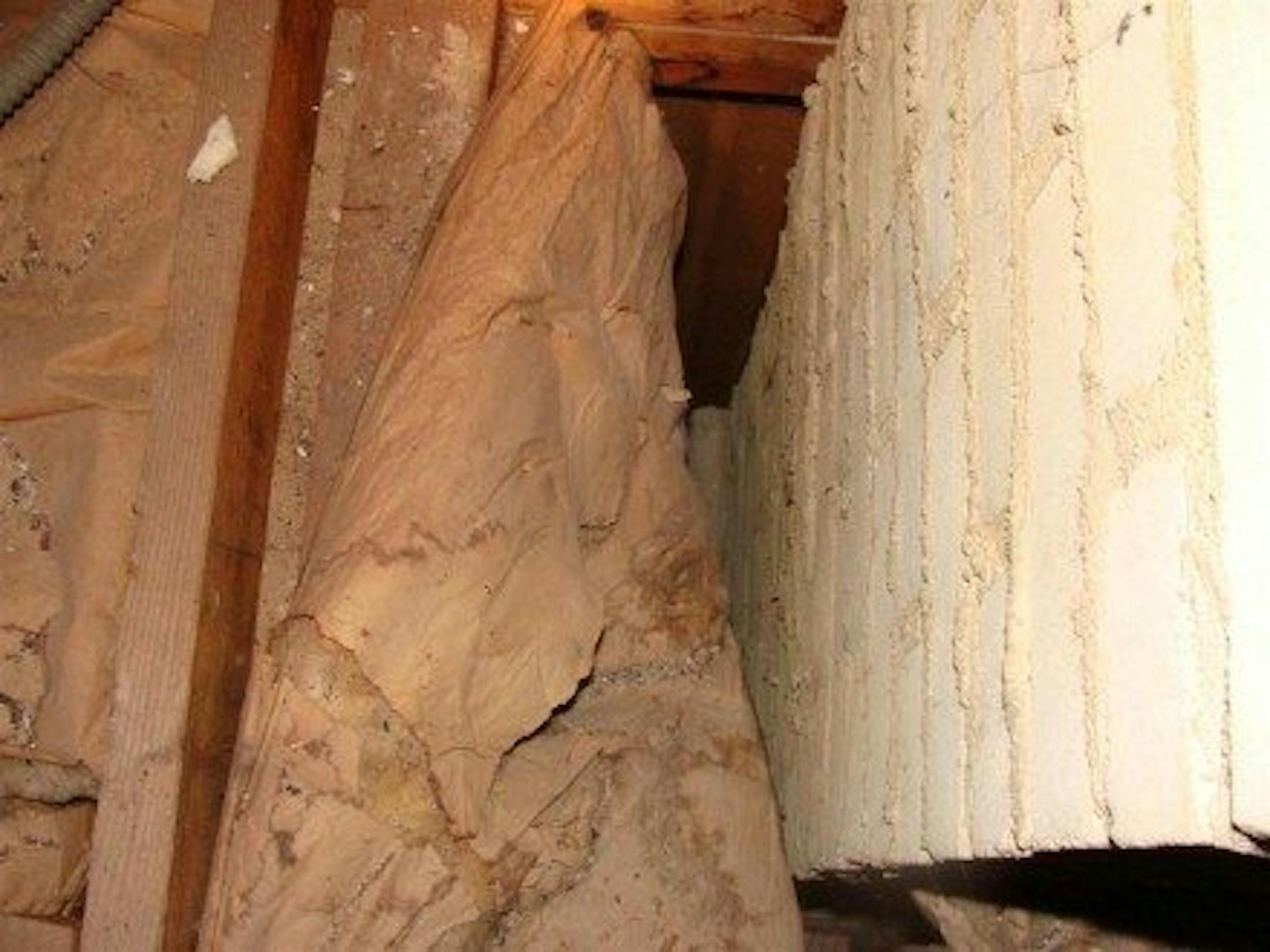
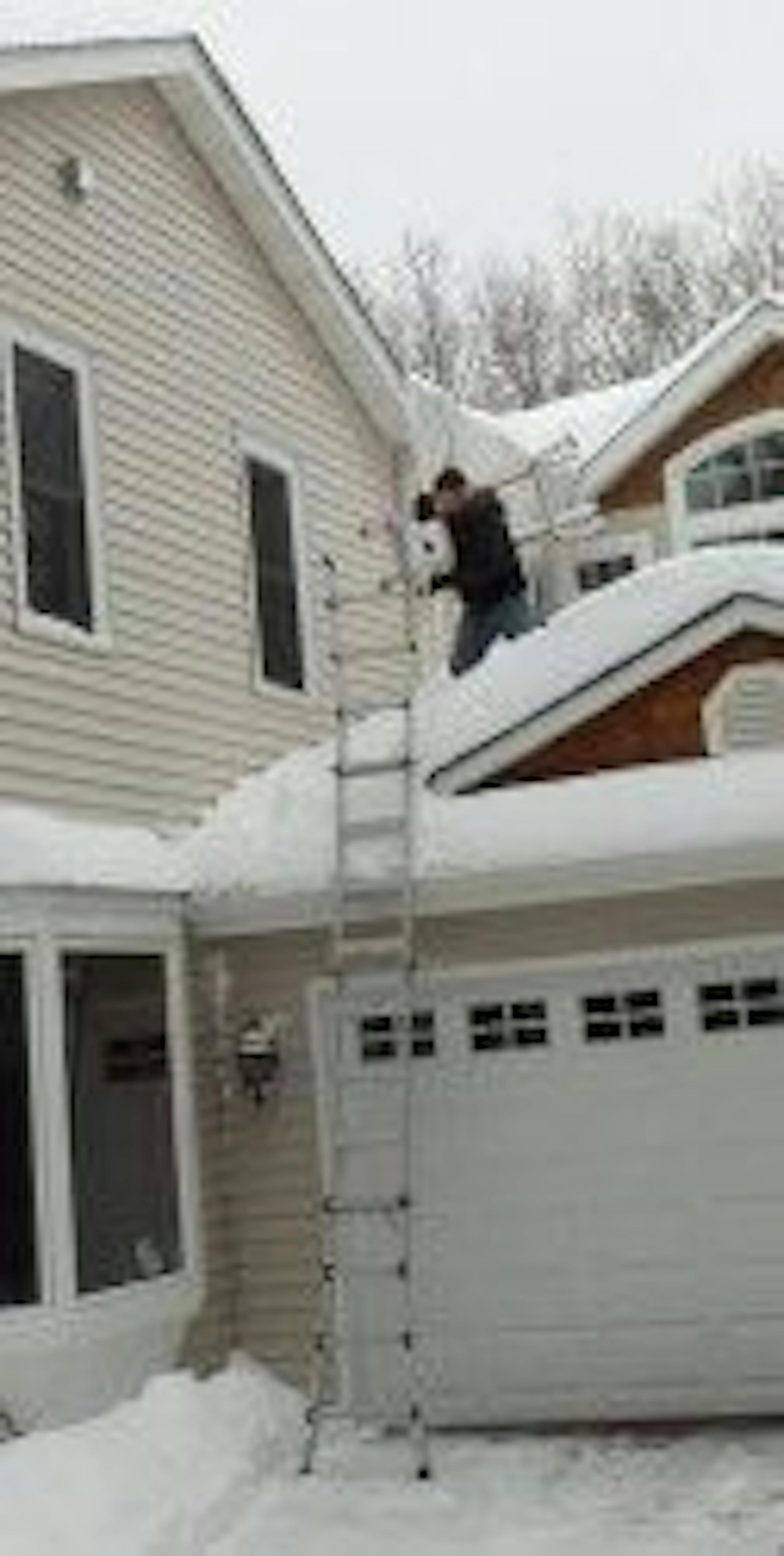
Minnesota got dumped on last weekend with nearly fifteen inches of snow in some areas. With hardly any snow last winter, we almost forgot what a real snow storm looked like. I haven't heard about any concerns over ice dams yet, but I suspect they'll be coming very soon. The perfect conditions for ice dams are large amounts of snow and temperatures in the teens and twenties, which is what we're expected to have this week.
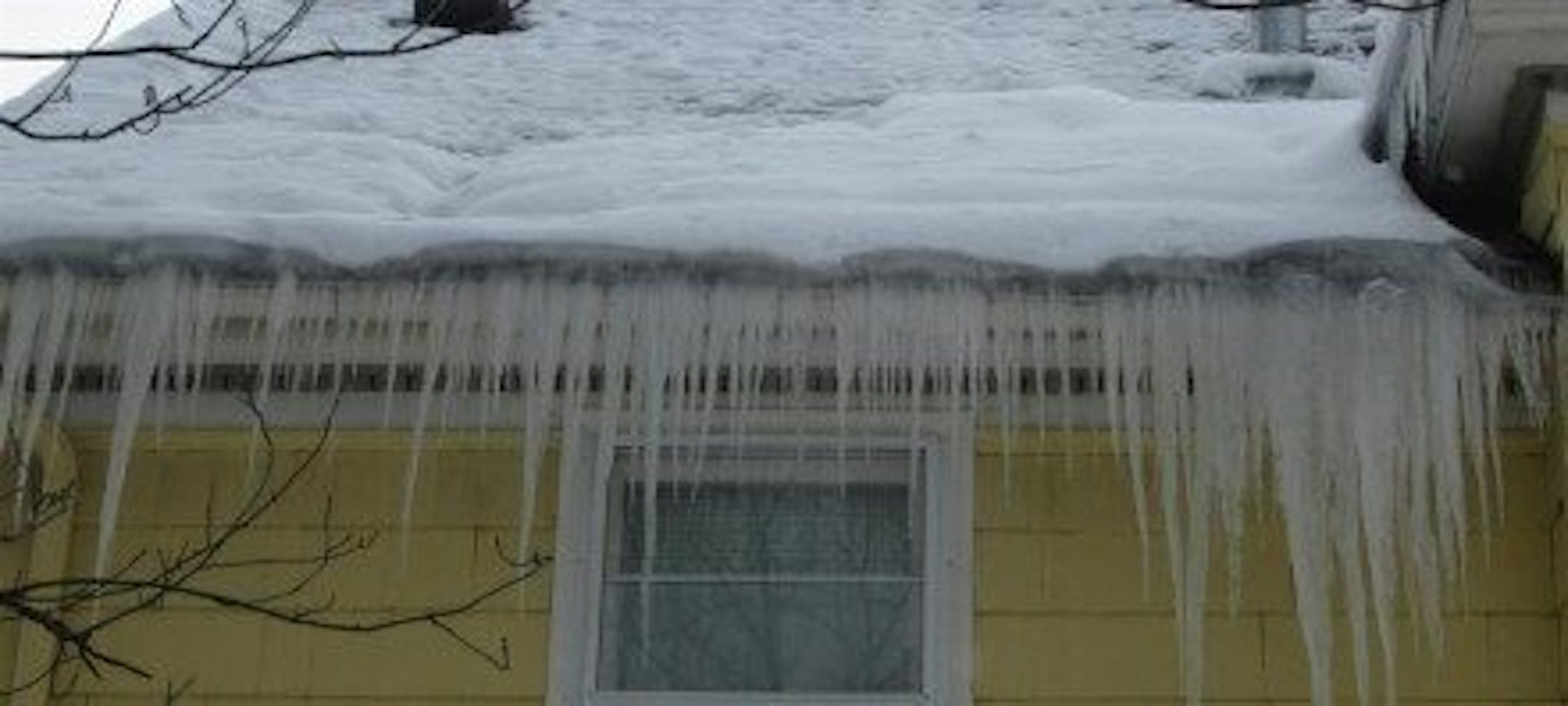
Two years ago, many Minnesota homeowners experienced ice dams like never before. The two things that everyone wanted to know was how to get rid of ice dams and how to prevent ice dams. Today, the focus is going to be on prevention.
How Ice Dams Form
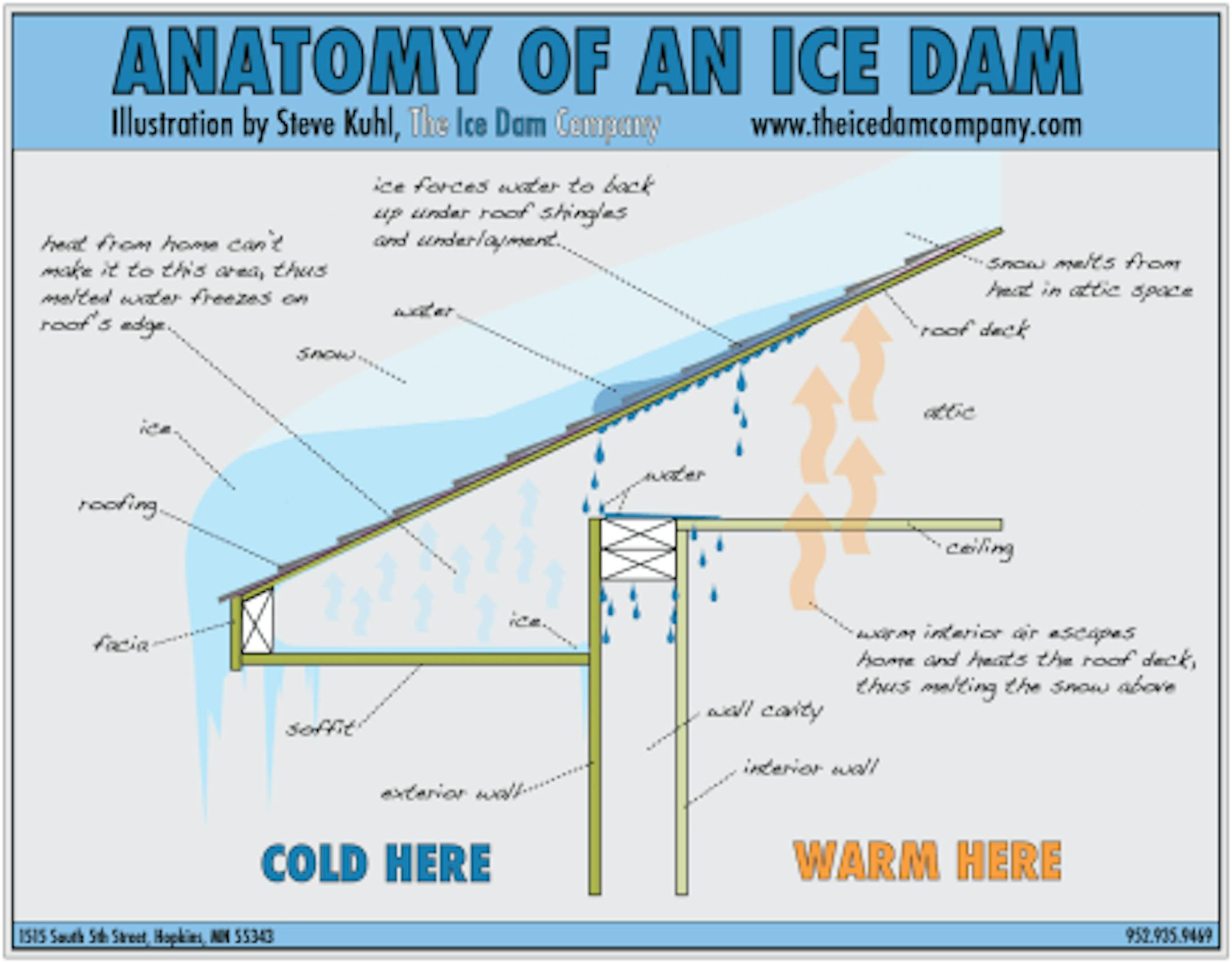
Because it's been a couple of years since I've blogged on the topic of ice dams, here's a quick refresher: ice dams are literally dams of ice that form on roofs and cause water to back up. The dams form when the snow that touches the roof melts, and then that water freezes again before running off the roof. This usually happens at the edges of roofs, but not always. Here's a great diagram showing how this works, courtesy of Steve Kuhl.
The best way to prevent ice dams from forming is to address the three factors in your attic that contribute to ice dams; insulation, ventilation, and attic air leaks.
Attic Air Leaks (aka - attic bypasses)
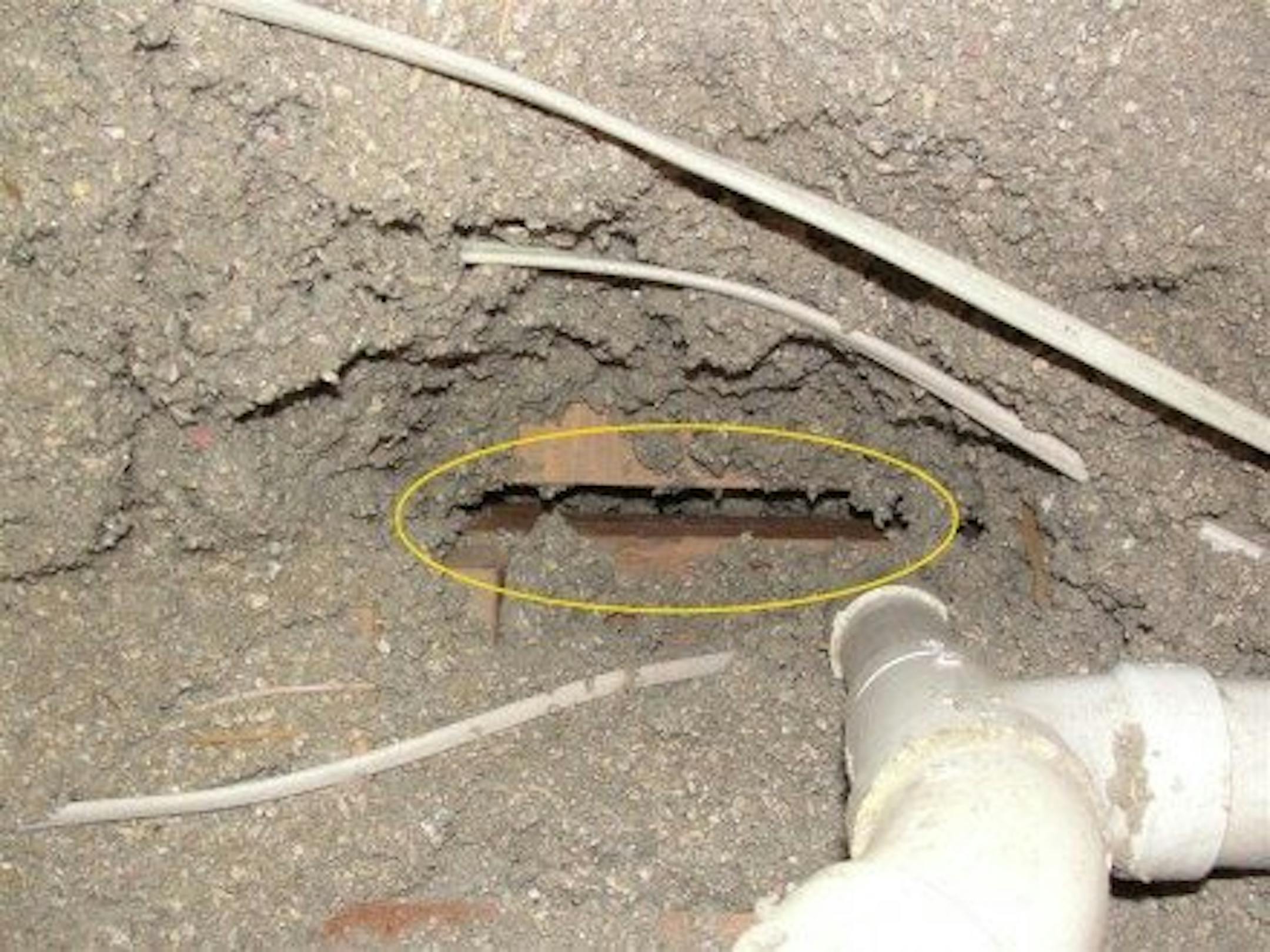
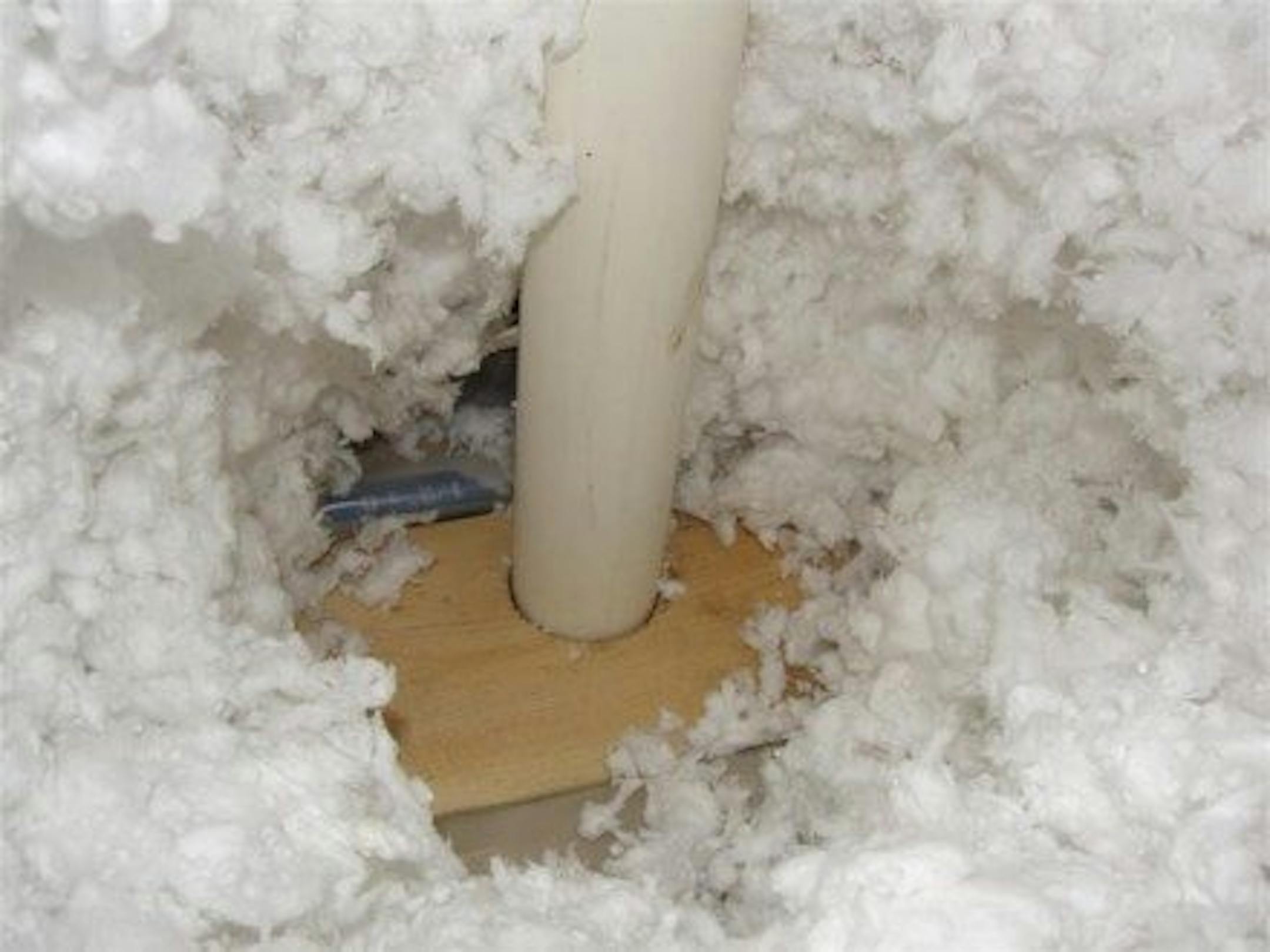
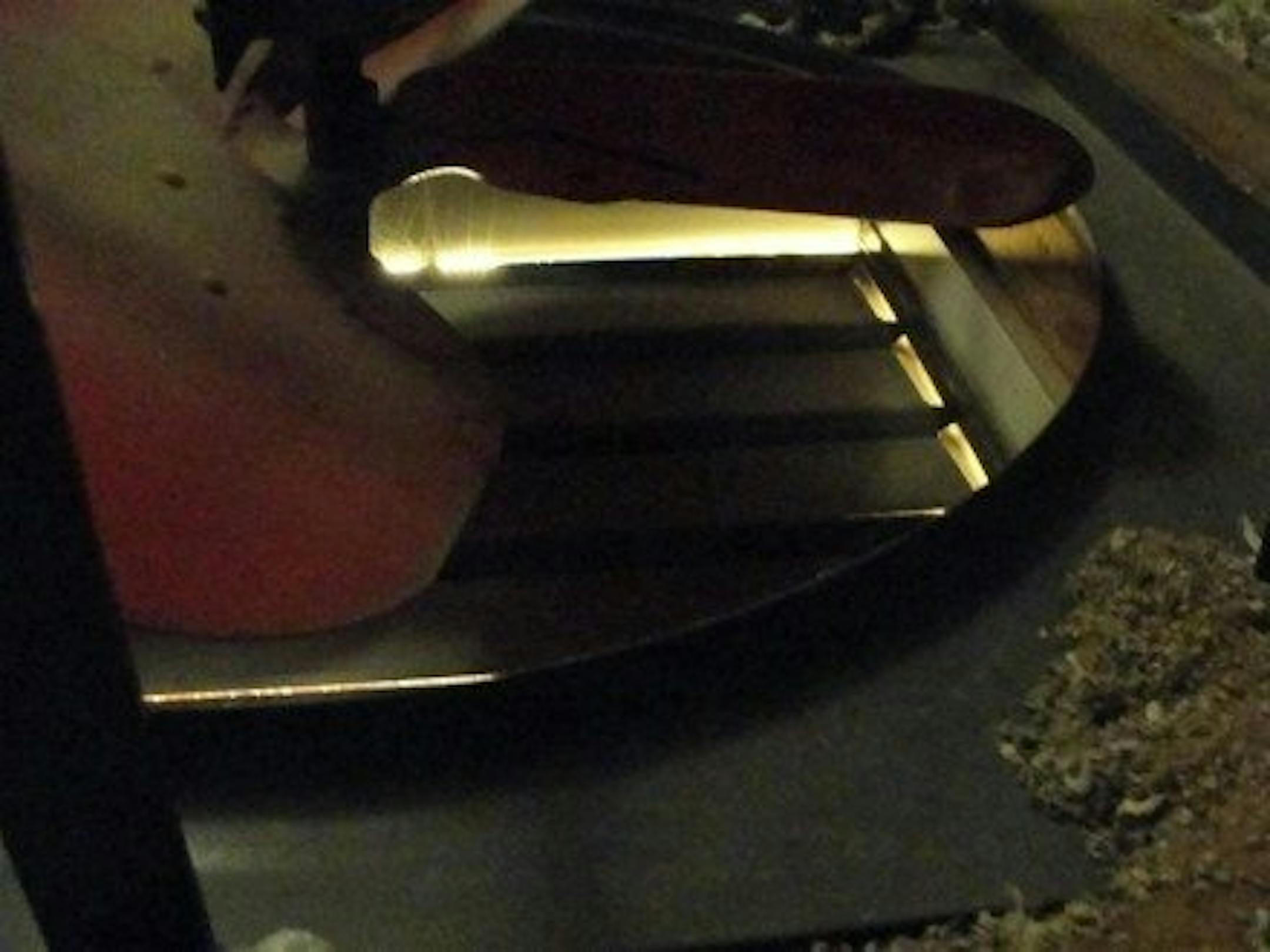
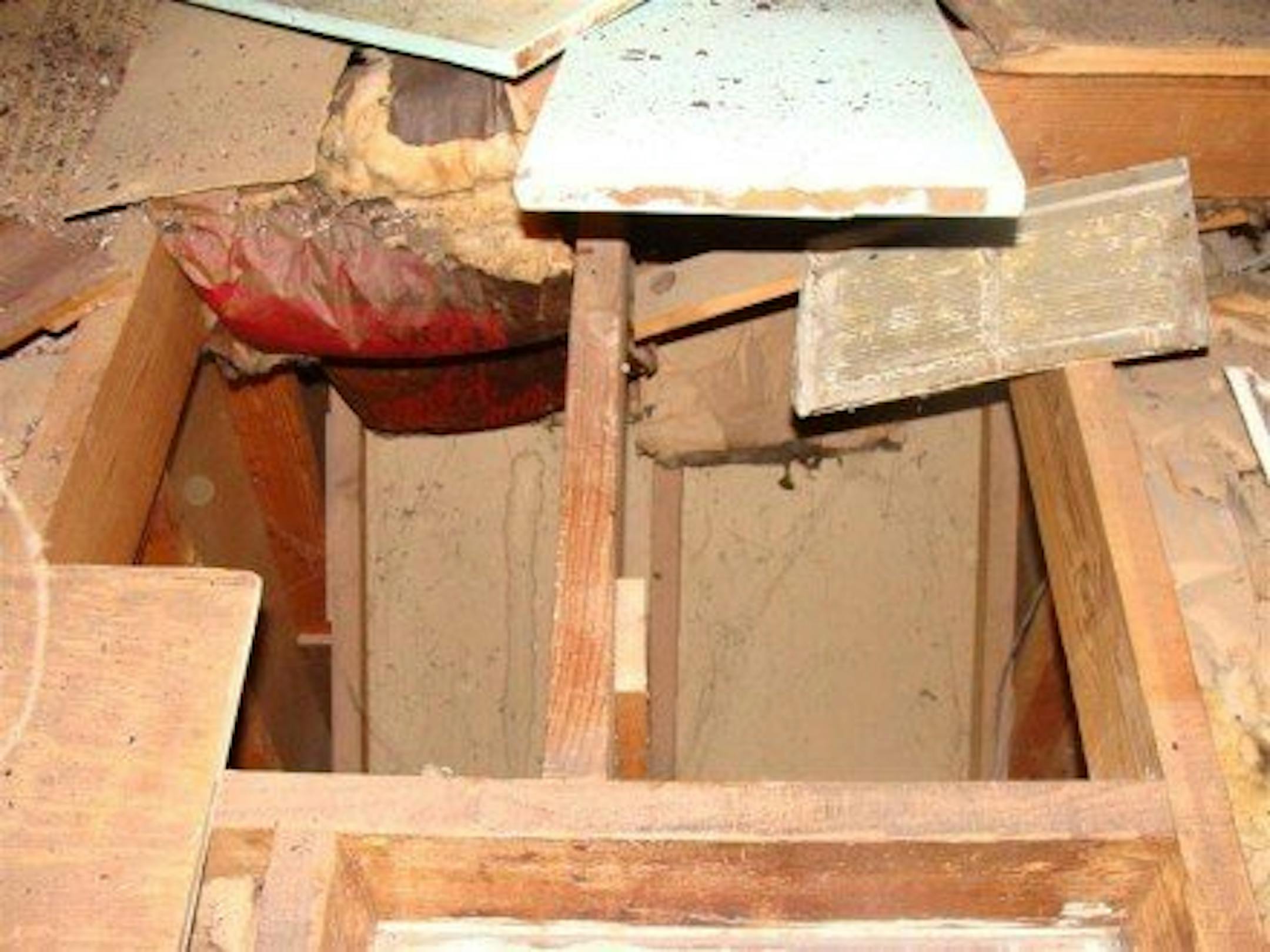
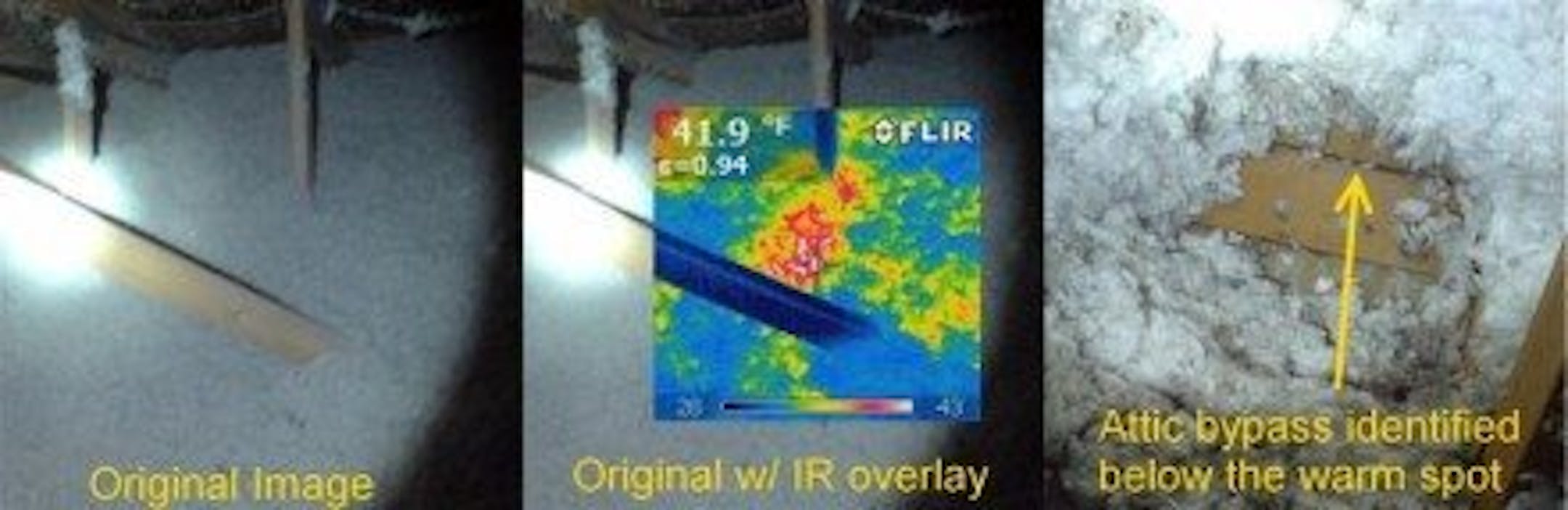
This is the largest contributor to ice dams. In almost every house with ice dams, there will be attic air leaks directly below the beginnings of the ice dam. Attic bypasses are passageways for warmed air to enter in to the attic space, and traditional insulation won't fix this. The photos below show some common attic bypasses that can be found in just about any older house. The image series below shows how an infrared camera can be used by a home inspector or energy auditor to locate these bypasses.
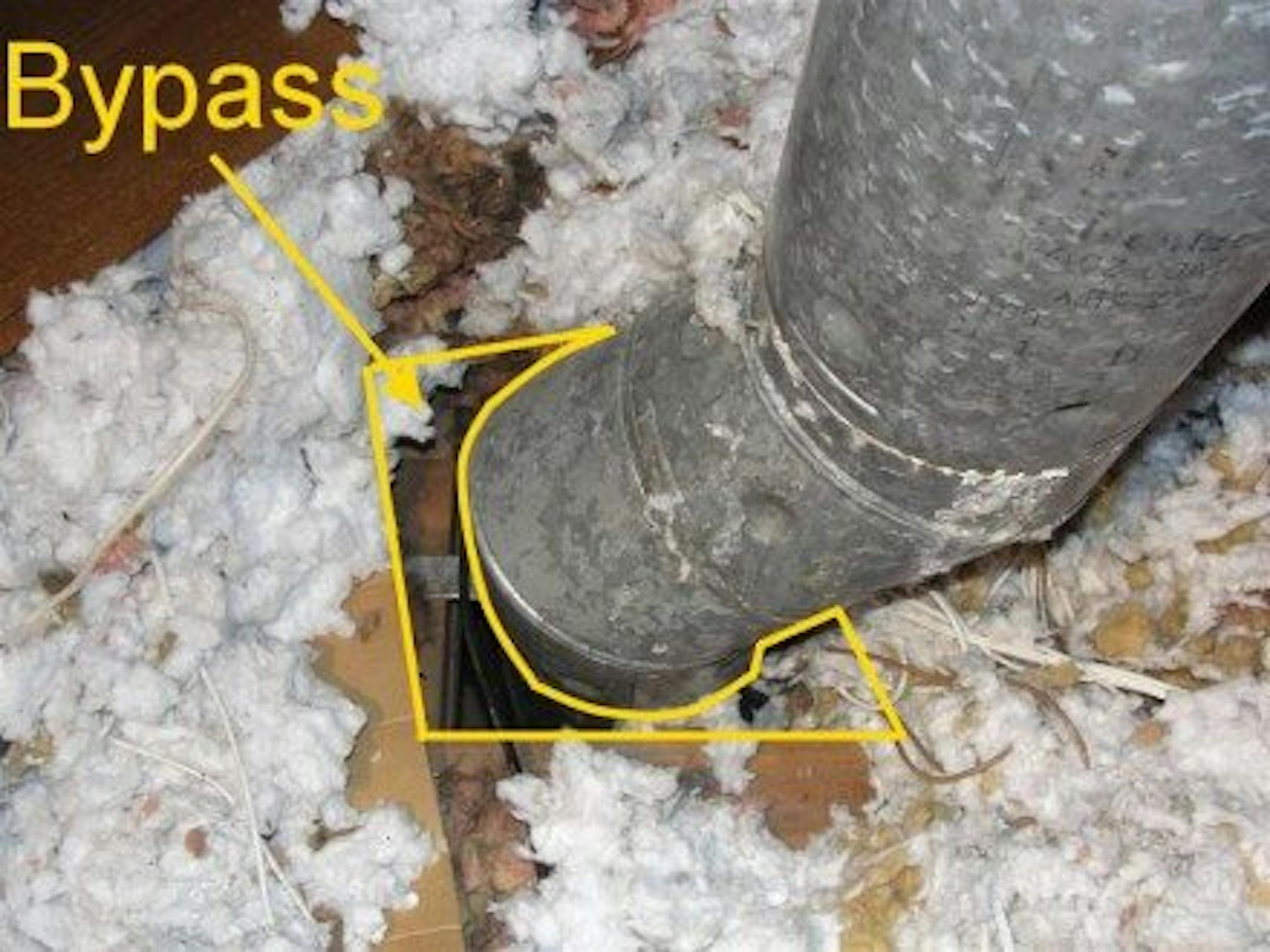
The photo below shows one of the largest and most common bypasses - the space around the furnace and / or water heater vent. Sometimes these are huge. The one shown below is relatively small, but allows a lot of air to leak up in to the attic.
In the photo below, you can see several holes in the top plate of a wall that were drilled for wires to pass through. These holes could all be easily filled with spray foam, but finding these holes all over the attic would be a challenge without first removing the insulation, or performing an infrared inspection with a thermal imaging camera. The insulation had to be pushed aside to find these and take this photo.

With additions, the transitions between the 'new' and 'old' construction seem to always be sources of attic bypasses. The gap below was easily identified with the use of an infrared camera, but a lot of insulation had to be moved to get to the bottom of it.