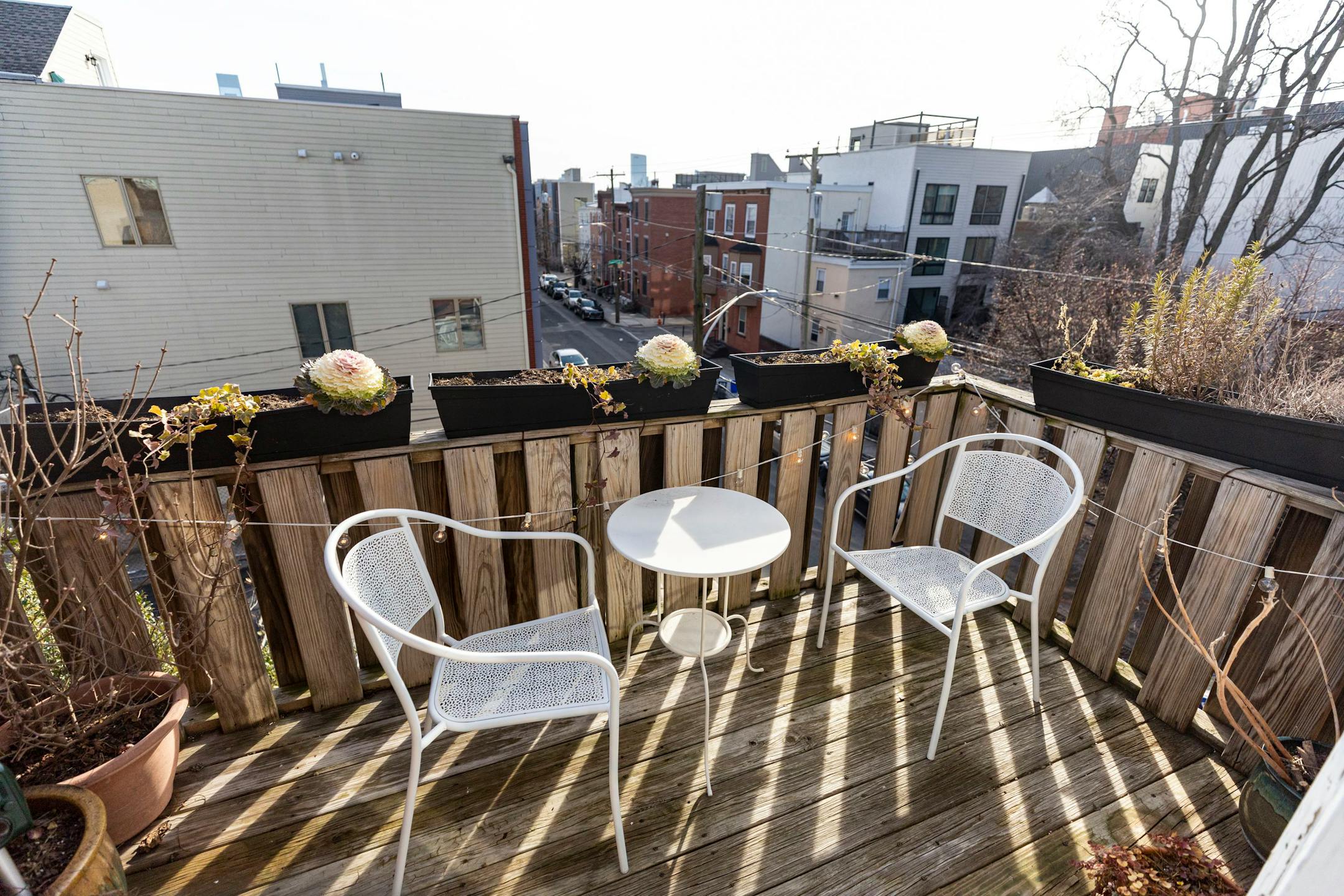
Just because your patio is small doesn’t mean it can’t be purposeful. Maximizing a compact space might require some creativity, but with the right inspiration there are plenty of ways to transform a tiny outdoor space into a place you’ll actually want to be — whether for hosting, gardening or just hanging out.
“It’s just about getting the balance right, so you’re not cluttered,” says Edward Jones, owner of the landscape design company Outside Space NYC.
Here’s how to do a lot with a little.
Plan, plan, plan
Before you buy furniture, planters or other accessories, make a realistic assessment of how you’ll actually use the space. “A lot of times, [people] go to a store, they fall in love with the furniture, they get it, and then they have to deal with the size of it and it doesn’t match,” says Tatyana Swift, an architect and designer in D.C.
Think about how much time you’ll spend out there, and what you’ll be doing. Do you aim to host friends? Work from the outdoor sofa? Grow your own veggies? Once you have an idea of what’s most important to you, measure your space and draw a loose floor plan to scale, advises Jones, keeping in mind how you want to orient any furniture, plants or lights.
If you’re hurting for inspiration, hunt for photos on Pinterest to get a general sense of the layouts that appeal to you. “It gives you a sense of direction, a vibe where [you] are going to feel happy,” he says.
Don’t overcrowd it
You may want to host, barbecue and grow six tomato plants, but try to be selective. Otherwise, you run the risk of creating a space that looks messy and is too crowded to enjoy. “If it’s too much of various different things, then it might start looking overwhelming,” Swift says.
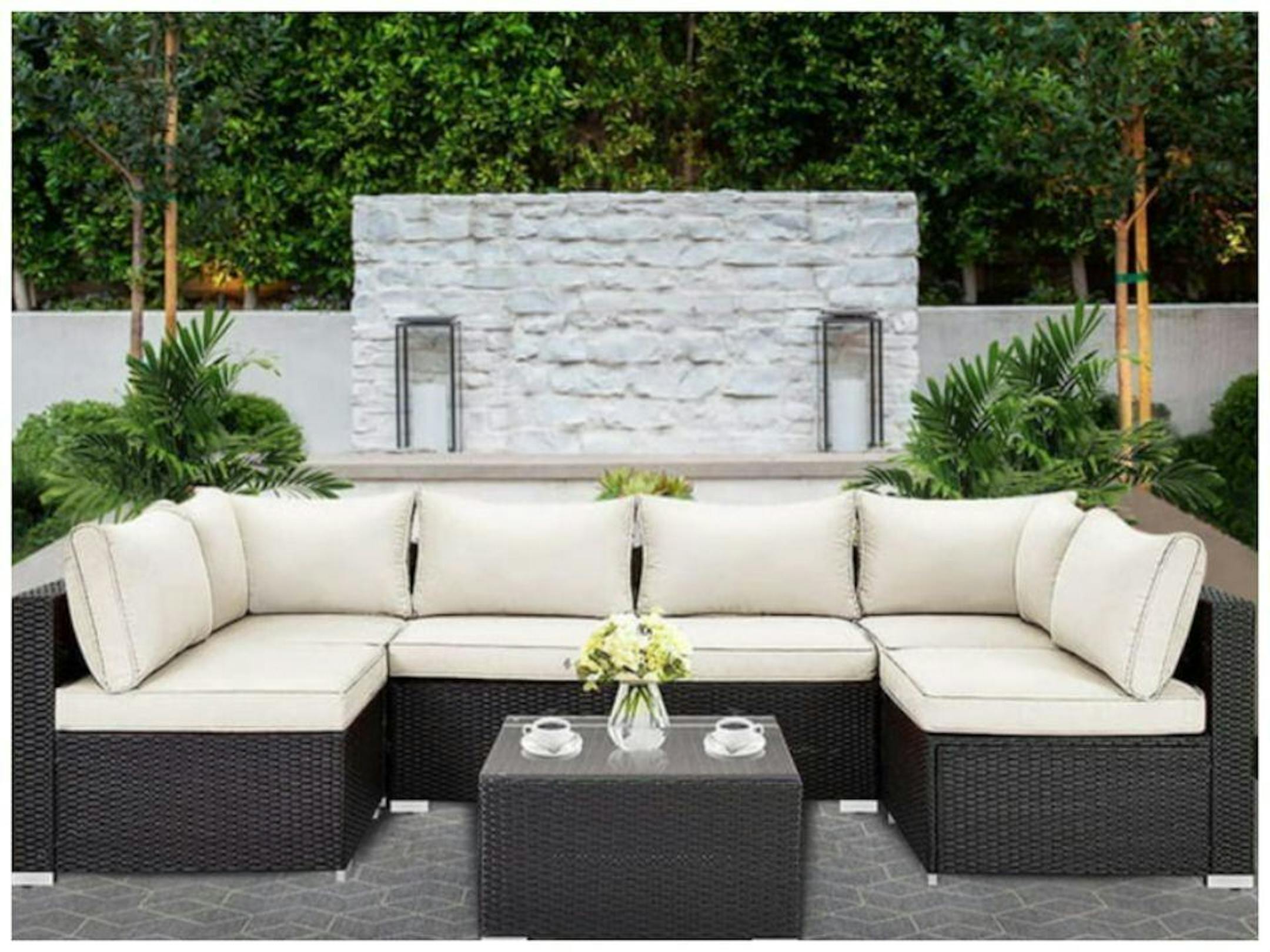
Rather than loading it up all at once, start with one or two pieces to anchor the space, then build from there. If entertaining is your main priority, for example, start with a sofa and coffee table. Live in that for a beat before determining whether it’s necessary to add anything more. “Maybe you think you want to grill but then realize, eh, it’s not really necessary, or it would look ridiculous,” says Irene Kalina-Jones, a landscape designer and Jones’ wife and business partner.