

Renowned conservationist Aldo Leopold once wrote, "November is, for many reasons, the month of the axe. It is warm enough to grind an axe without freezing, but cold enough to fell a tree in comfort. The leaves are off the hardwoods, so that one can see just how the branches intertwine, and what growth occurred last summer. Without this clear view of treetops, one cannot be sure which tree, if any, needs felling for the good of the land."
Leopold wrote those words more than 60 years ago. Times have changed. For one thing, the chain saw has since replaced the ax, and November is now reserved for hunting.
I hereby declare February the month of the chain saw.
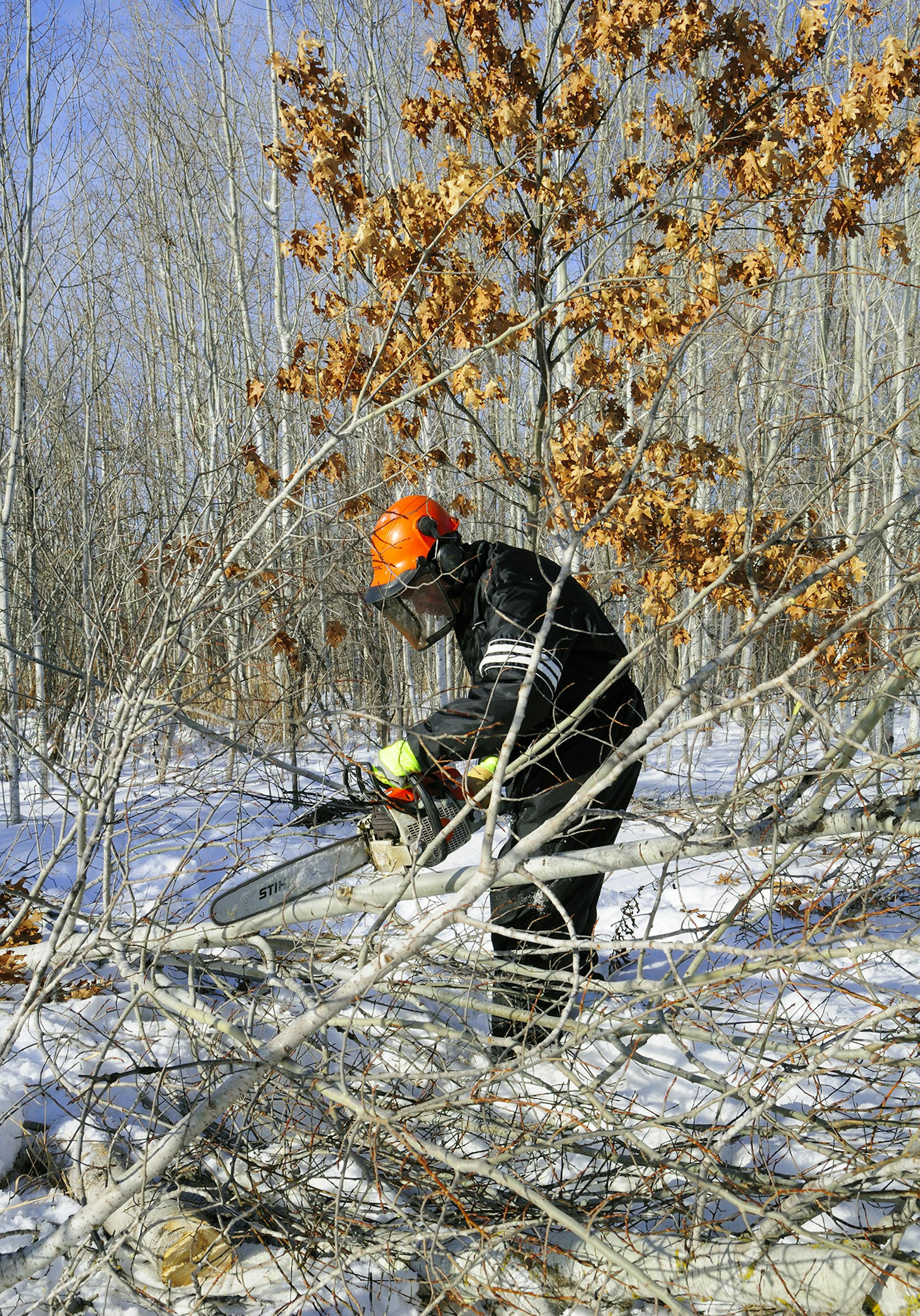
In the coming weeks I'll head into the woods, chain saw in hand. My plan will be to liberate a few red oak trees, a wintertime task I've practiced for more than a decade on the 70 acres of land I manage for wildlife.
To liberate a red oak, one must simply eliminate the surrounding vegetation. The act provides the oak with more of the essentials: sunlight, water, nutrients and room to grow.
My acreage consists primarily of alder, willow and aspen lowlands. Here and there, though, a red oak will have somehow taken root and, with determination, blossomed into a small tree. Over time, the competing vegetation, especially the aspens, almost always wins the race for the sun. Without my help, the oaks usually lose.
So I interfere.
Leopold also wrote this: "I find it disconcerting to analyze, ex post facto, the reason behind my own axe-in-hand decisions. Where a white pine and a birch are crowding each other, I have a bias; I always cut the birch in favor of the pine."


