

Opinion editor's note: Star Tribune Opinion publishes a mix of national and local commentaries online and in print each day. To contribute, click here.
•••
As the criminal indictments of Donald Trump continue to pile up like boxes in a Mar-a-Lago bathroom, the former president's defenders have settled on a response: They don't claim their man is innocent of the scores of federal and state charges against him — a tough case to make under the circumstances. Instead, they accuse the Biden administration and Democratic prosecutors of politicizing law enforcement and cooking up an insurance policy to protect President Joe Biden, who trails Trump in some polls about a very possible 2024 rematch.
"So what do they do now?" House Speaker Kevin McCarthy asked last week, after Trump announced that he had received a second target letter from special counsel Jack Smith, this time over his role in the Jan. 6 attack. "Weaponize government to go after their No. 1 opponent."
Gov. Ron DeSantis, one of the few plausible Republican nominees besides Trump, warned that the government is "criminalizing political differences."
It's not only about Trump; griping about politicized law enforcement has become a cottage industry on the right these days. No sooner did Republicans take back the U.S. House than they formed a Select Subcommittee on the Weaponization of the Federal Government, which meets regularly to air grievances and grill witnesses about their supposed anti-conservative animus, including Christopher Wray, the (Trump-nominated) FBI director.
If you're feeling bewildered by all the claims and counterclaims of politicization, you're not alone. Take the FBI's probe of ties between Russia and the 2016 Trump campaign, which is still being hashed out in the halls of Congress seven years later: In February, Democratic lawmakers demanded an investigation of the investigators who investigated the investigators who were previously investigated for their investigation of a transnational plot to interfere in a presidential election. Got that?
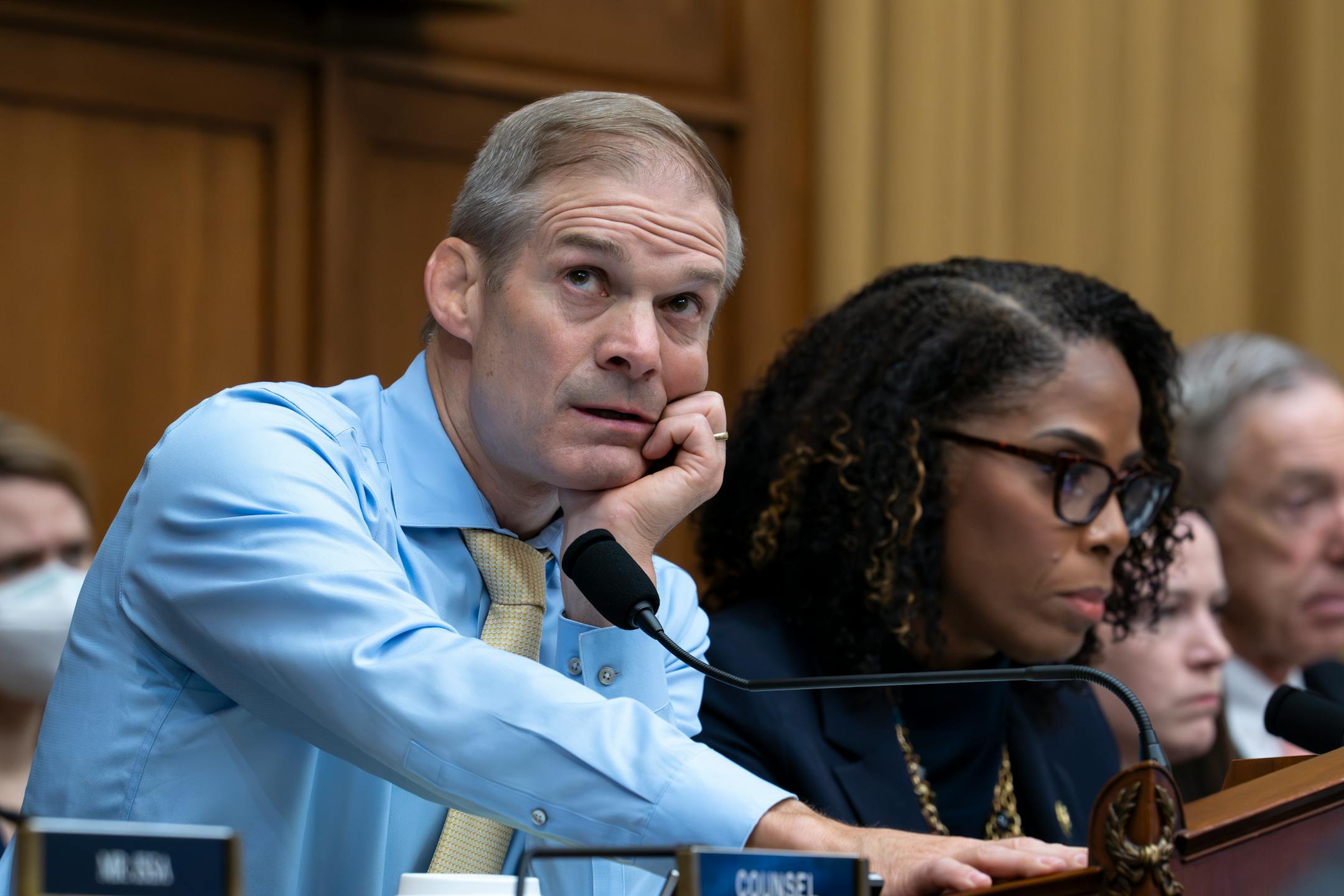
But even if the charge of politicized justice is levied by a bad-faith buffoon like Rep. Jim Jordan of Ohio, chair of the weaponization subcommittee, it is a profoundly important one. There is no simple way to separate politics completely from law enforcement. The Justice Department will always be led by a political appointee, and most state and local prosecutors are elected. If Americans are going to have faith in the fairness of their justice system, every effort must be taken to assure the public that political motives are not infecting prosecutors' charging decisions. That means extremely clear rules for investigators and prosecutors and eternal vigilance for the rest of us.


