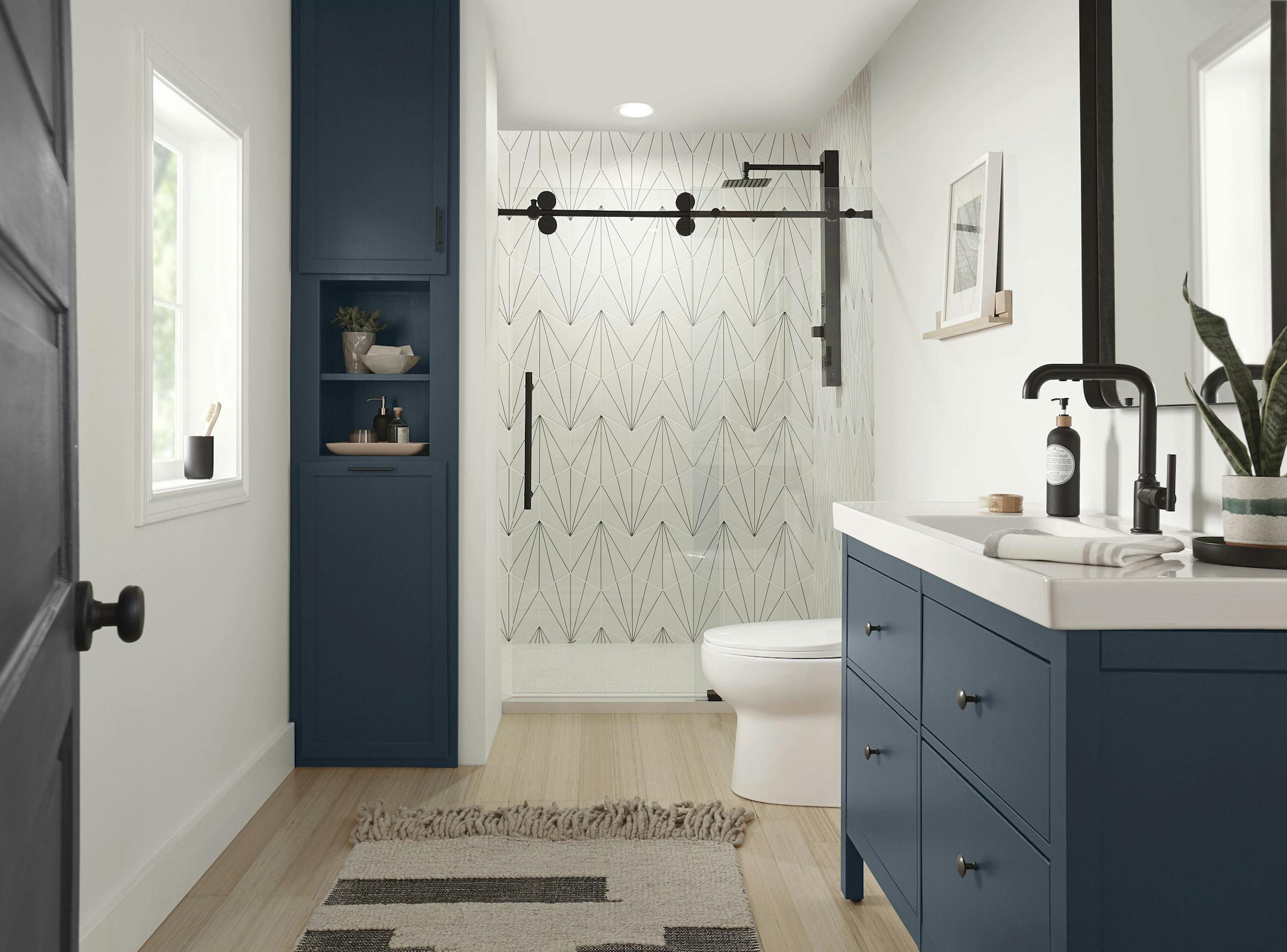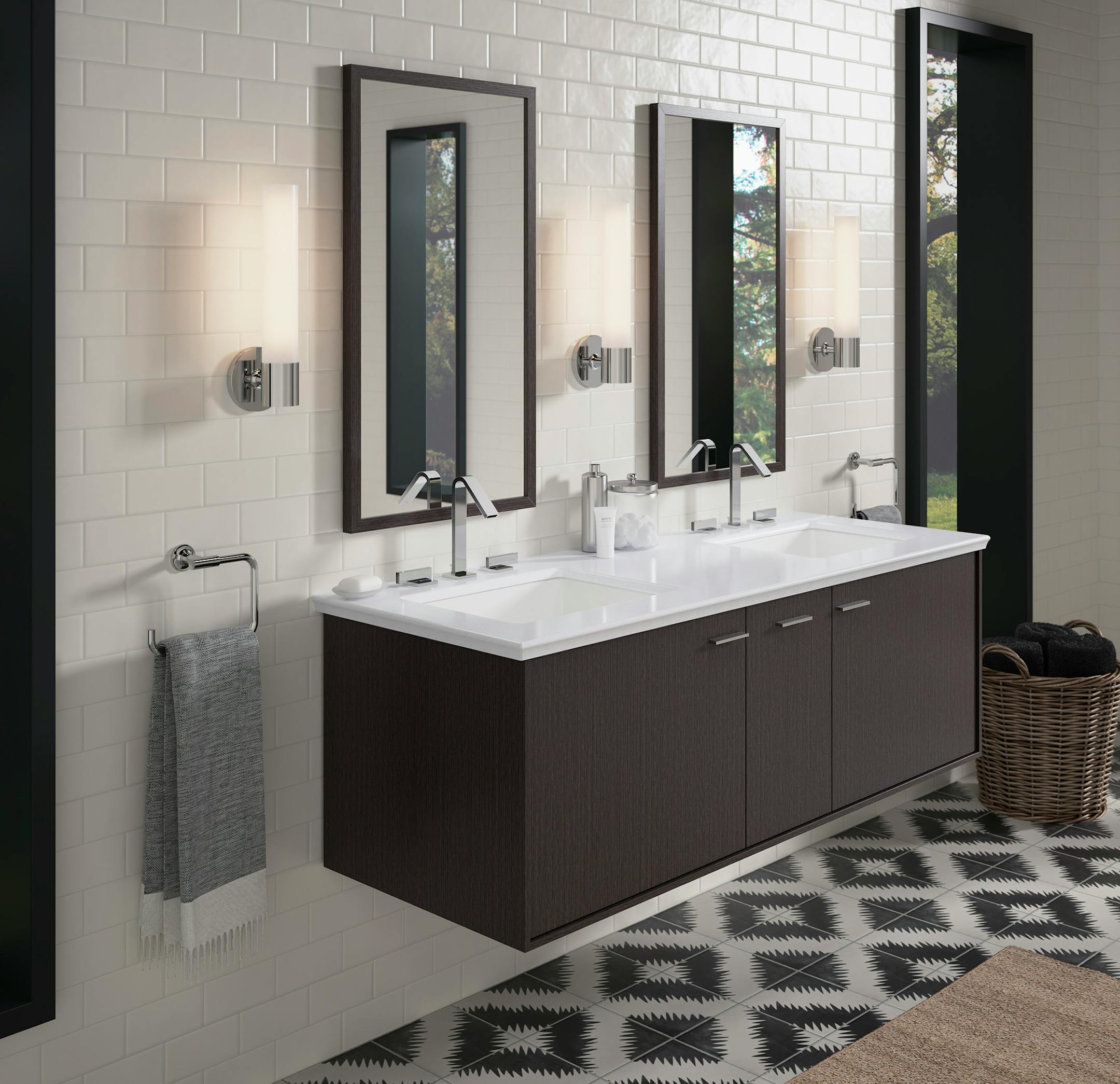
An outdated bath with leaky plumbing and yellowing grout is just the place to start and end the day — said no one, ever. If there's one room in the house where the glossy sheen of newness is appreciated, it's the bathroom, which is why bath remodels tend to offer a high return on investment.
Still, if getting the most money back out of your reno is your goal, it helps to think strategically before you schedule demo day. Herewith, tips from the experts.
Look at other bathroom remodels in your neighborhood
"One of the most important things to keep in mind for [return on investment] is the comps," says Sarabeth Asaff South, home expert for Fixr.com, a remodeling resource website. Her advice: Look to renovations done nearby for guidance (try scanning Zillow or Redfin for recent sales). For instance, a renovation in a high-end area might feature a stand-alone soaking tub and heated floors. "If you include those things in a non-luxury setting, someone might be happy to find them, but they won't necessarily want to pay more money for them," she says.
Prioritize cosmetic upgrades
Generally, spending on cosmetic improvements will yield more bang for your buck than a gut renovation, especially if you're planning to move in the near future. According to Zillow, a midrange bathroom remodel can yield a return of $1.71 for every dollar spent, especially if the bathroom is over 25 years old. Such a remodel might include updating the plumbing fixtures, tile and lighting.
Avoid changing the layout
If budget is an issue, think twice before deciding to rearrange the room. "The best option is going to be when you don't have to move plumbing lines, waste lines and relocate electrical circuits for lights or outlets," says Dean Turner, owner and CEO of Evolution Design Build in Reston, Va. Remodeling within the same configuration is called "a pull and replace, and it's going to be the most cost-effective."