

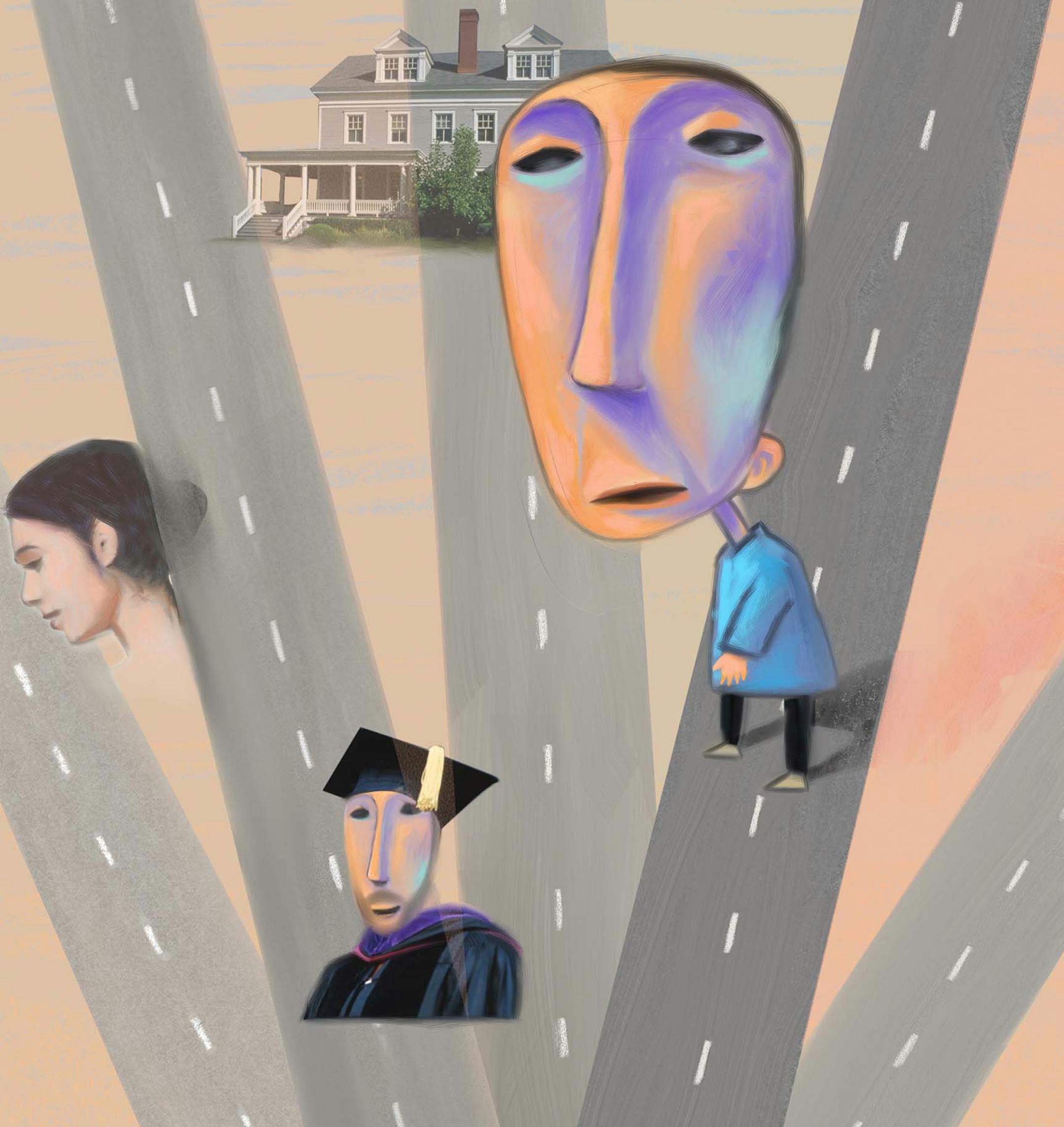
If you could start your life over, what would you do differently?
Shannon Bryant, of Pasadena, Texas, would change how she treated her mother as a teenager.
At 14, Bryant was rebellious and filled with angst. She skipped school, hung out with the wrong crowd and didn't always obey the law. Her defiant behavior only intensified after her mom, Janet, was diagnosed with liver cancer.
"I was horrible to my mother when she was sick," Bryant, now 26, acknowledged. "I blamed her for getting cancer. That's when I started treating her the worst, because I didn't know what was going to happen, and I didn't know if she was going to make a comeback."
Bryant's mom fought cancer for two years, undergoing chemotherapy, radiation therapy and surgery. But it wasn't enough. A couple of weeks before her mom's death, Bryant, who by that time had moved in with her dad, went to visit her mom in home hospice care. With her mom bedridden and practically comatose, Bryant crawled into bed next to her and apologized for everything.
"I told her I was sorry for all the mean things I said to her and how I acted," Bryant said. "I knew she could hear me even though she couldn't respond."
Although Bryant made final amends, years passed before she could break free from her crippling sense of regret.
Forgive yourself
To err is human, to forgive divine, wrote English poet Alexander Pope. When it comes to regret, the person you most often must forgive is yourself. A recent study from Baylor University found that making amends with individuals you've wronged increases your likelihood of self-forgiveness. The research also showed that the guiltier respondents felt, and the more grave their wrongdoings, the less likely they were to self-forgive.


