

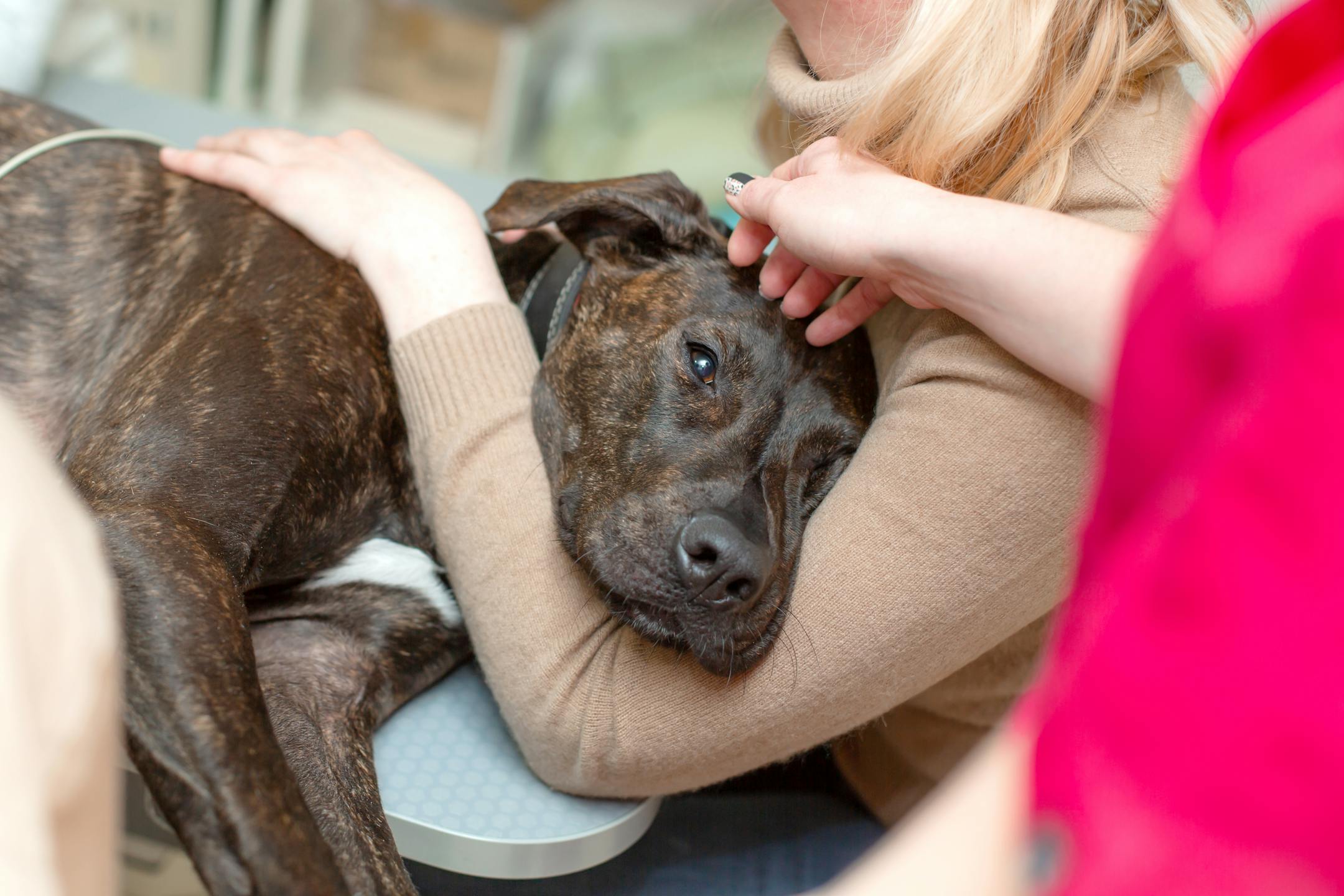
Fifteen years seems like a long time until you are facing the end of it.
The most terrible thing for those of us who love animals is their short lifespan. And when the time comes, it is almost more than we can bear — even more so when we have been anticipating it.
Sometimes pets go downhill quickly after being diagnosed with a disease such as cancer, which develops rapidly or isn't caught until it's too late for treatment. Or old age finally catches up with them. That's brutal enough. But sometimes, I think, the anticipatory grief that accompanies a pet's terminal diagnosis is more insidious. The roller coaster of grief that we ride between diagnosis and their last day seems never-ending.
Anticipatory grief is defined as the realization that a being is mortal, whether a parent, sibling, child or pet. For us, the first pangs of anticipatory grief struck when our dog Harper was diagnosed with congestive heart failure when she was 9 years old. We'd seen a dog die from it before, and we didn't want to face it again. So we arranged for her to have lifesaving heart repair surgery.
That was more than five years ago, and since then we have lived with her in six-month increments — the timing between visits to the cardiologist to hear that yes, her heart was still doing fine.
That's what they tell you when your dog undergoes this particular procedure: "She'll live long enough to die from something else."
In 2020, Harper was diagnosed with tonsillar squamous cell carcinoma. The anticipatory grief came out of hibernation. But like a Timex watch, she kept on ticking. In May, five years after her heart surgery and 18 months after her cancer diagnosis, she got a good report from her cardiologist and her oncologist. We were elated.
In June, our pet sitter discovered a lump on Harper's neck, and surgical removal and pathology determined that it was malignant. I cried.


