

As the days grow shorter and the growing season draws to a close, it's time to think about the winter garden.
Winter garden? Is there really such a thing?
Yes, said Scott Endres, an owner and cofounder of Tangletown Gardens in south Minneapolis. In fact, winter is one of his favorite seasons. "It's a beautiful time," he said. "We should accentuate the idea of winter as an important time of the year.
"For those of us in the north, it's a long season. You want to look out at a landscape that's as fabulous and interesting as possible."
Among the plants that light up the subdued months are so-called "chameleon plants" that change color with the seasons. Many of those plants are blue- or gold-hued junipers that in cold weather grow brighter or even color-shift from blue to purple, gold to near orange or green or yellow to bronze.
Observant Minnesotans have long looked for plants that have value in winter landscapes, Endres noted. "It's something we've appreciated forever, the shades of greens and bronzes, gray, sand, chartreuses and golds," he said. "You also have to look at nuance. … Grays and browns and whites set off nicely with other colors."
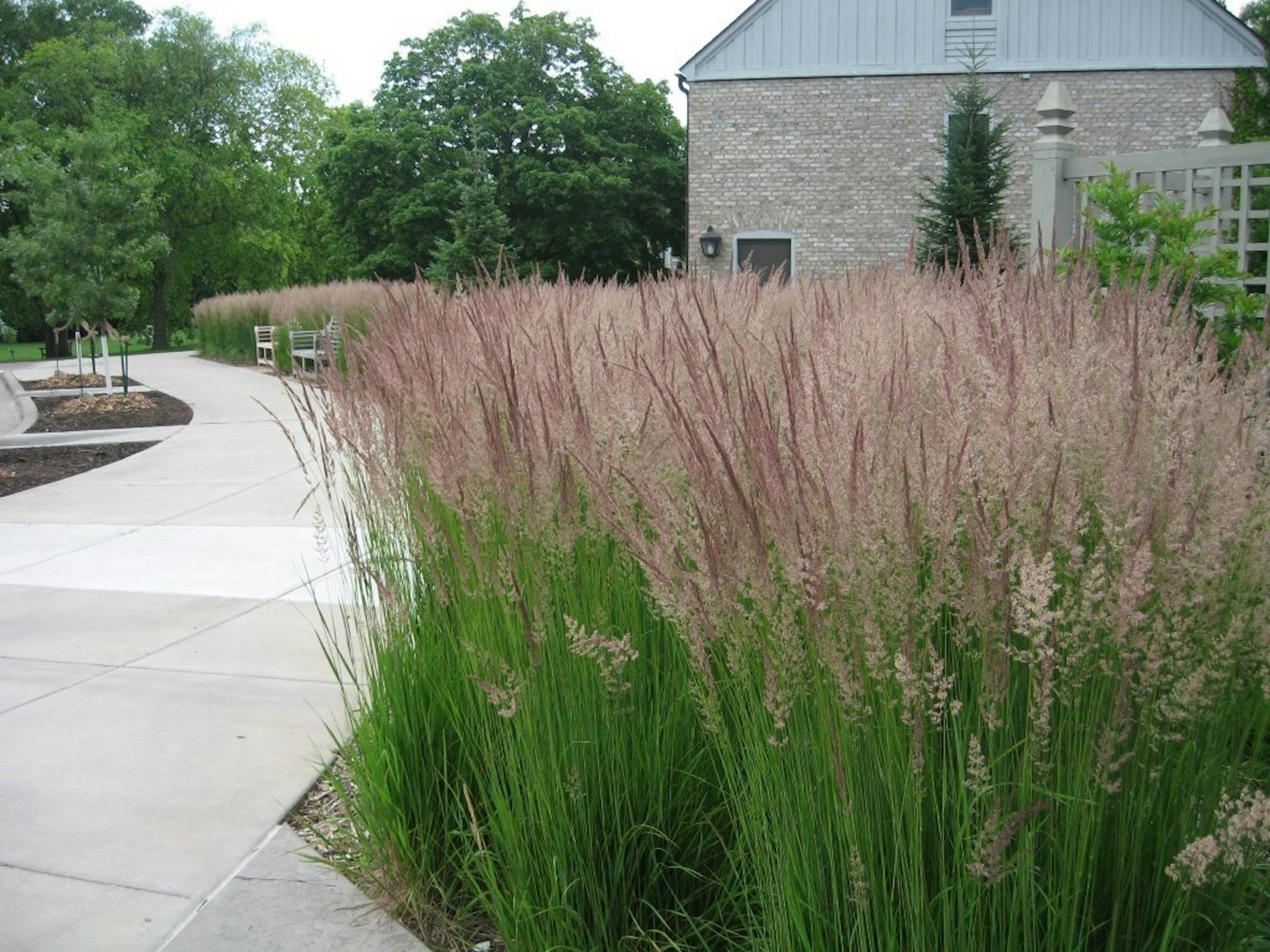
Ornamental grasses are a mainstay of the winter garden.
By the time the snow flies, most have faded to buff or brown. Stiff-leaved grasses such as switchgrass, moor grass, some miscanthus and reed grasses such as Karl Foerster remain upright all winter, standing tall even after being weighed down with snow. They add life and interest even in the coldest months, swaying and rustling in the wind.


