

Allen R. Smith says that he never planned to retire. Holding degrees in exercise physiology, he spent a decade in the wellness industry and worked as a ski instructor in Colorado. As he moved into retirement age, he planned to shift into a second career as an author and columnist.
"Years ago, I vowed never to be in the situation I'm in," says Smith, who lives in Oceanside, Calif. "My goal was to work until the day I dropped out. What I wasn't prepared for was reality. I lost my home, went through my 401(k), and nearly all my savings in 2008 during the economic crash."
"COVID-19 hit," he continues, "and since then it has been difficult to find the type of work I enjoy. I live a modest life primarily on Social Security benefits, but not necessarily out of choice."
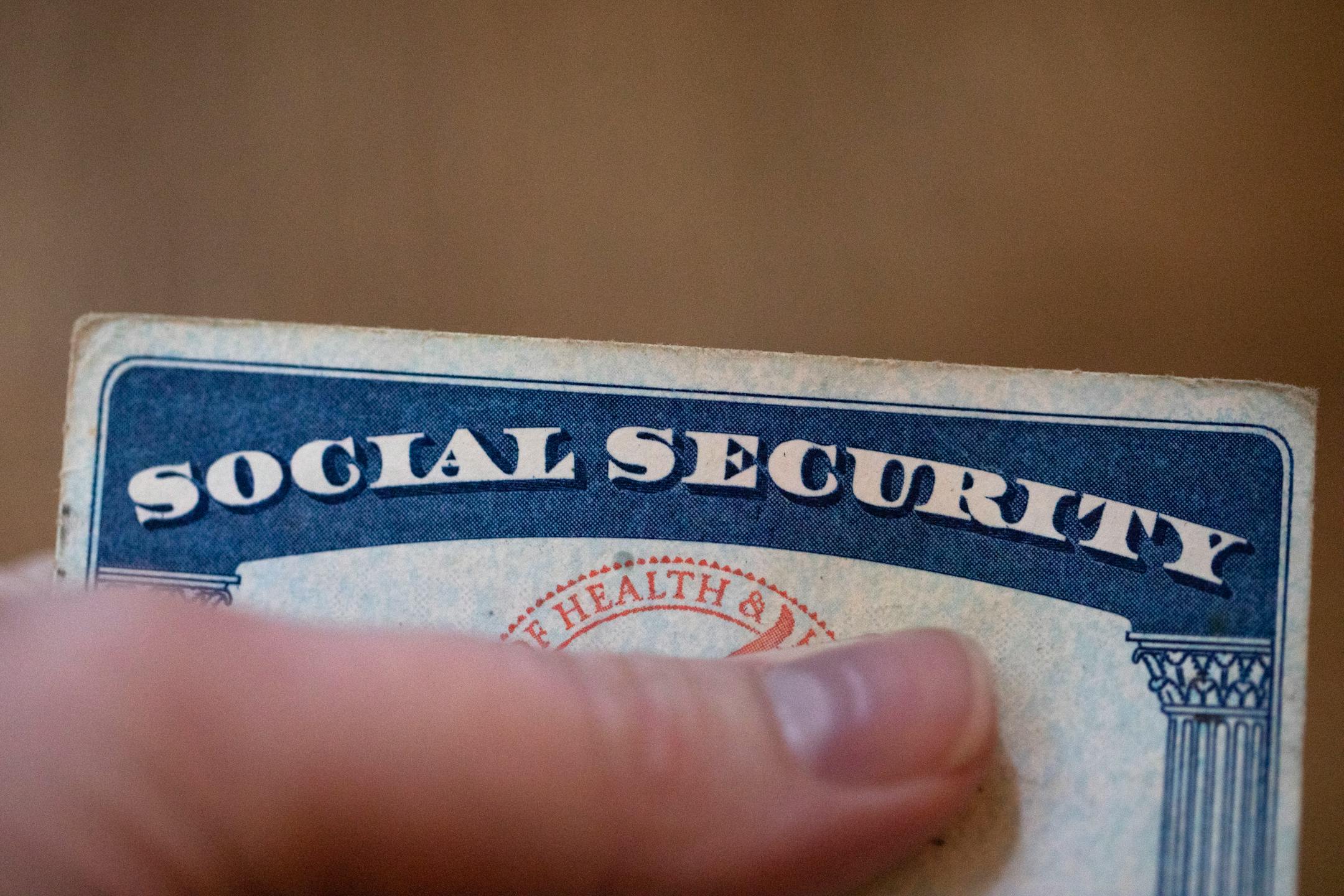
Smith is just one of approximately 51 million Americans aged 65 or older receiving monthly Social Security benefits. A percentage of those beneficiaries depend on Social Security for 90% or more of their income, according to the Social Security Administration.
Many recipients experience "more month at the end of the money" and have to postpone or pay only part of some bills. A recent study by Madelaine L'Esperance, now an assistant professor at the University of Alabama, discovered that financial problems build as days pass since the last check.
Social Security benefits are dispensed according to each recipient's birthdate: Those born in the first 10 days of a month receive their benefit on the second Wednesday of each month; those born in the second 10 days receive benefits on the third Wednesday of each month; the remaining beneficiaries are paid on the fourth Wednesday.
Cash flow mismatch
Retirees who receive their benefits on or about the time the rent or mortgage payment is due are likely to use that money to pay for housing. If their benefit comes earlier in the month, they are likely to use the money for utilities, food or other bills, and may run short when rent or mortgage payments come due.
Teresa Johnson (not her real name), 63, plans to live on Social Security benefits in a few years. She recently transferred her retirement savings from a 401(k) to a regular savings account so she would easy access to cash in case of emergencies. She had to pay income tax on the transferred savings, but her peace of mind was worth it.

