BRAINERD, MINN. — Skunked! It happens to all of us. We hunt hard, but despite our best efforts we and our canine companions come home with an empty game bag. We deal with it.
But there is a different way of getting "skunked" — one with a completely different outcome, and one that requires a solution.
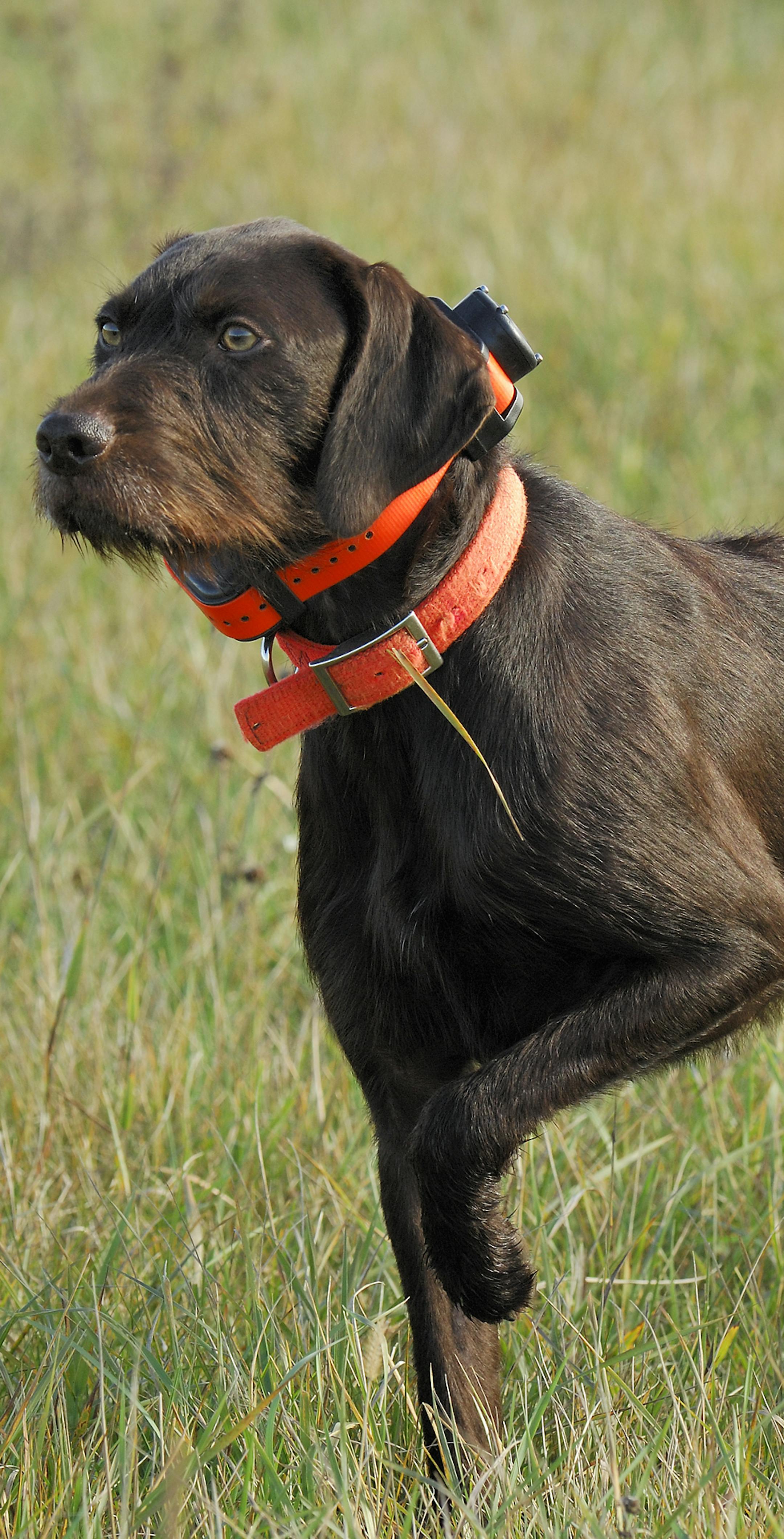
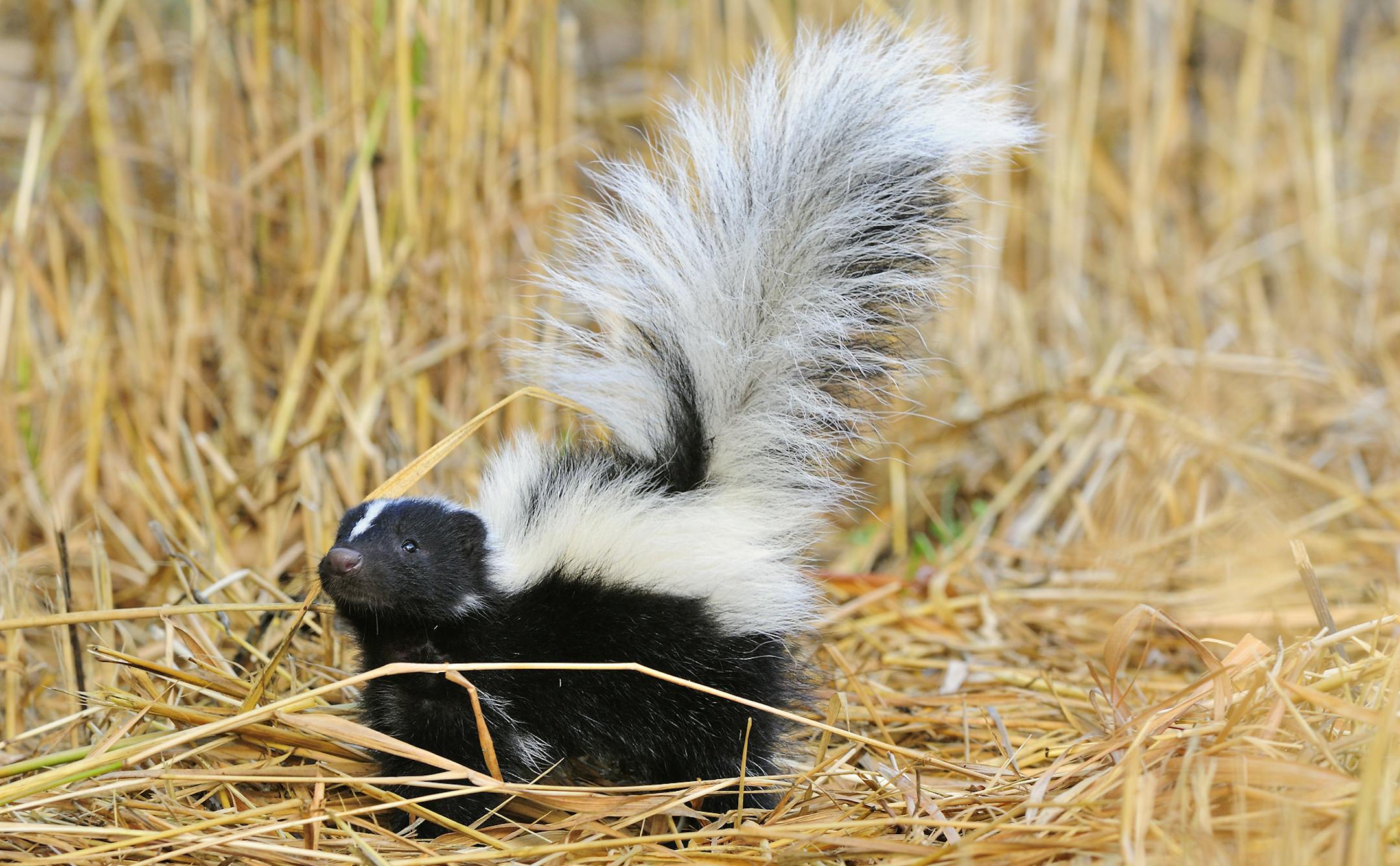
I've had four dogs in my bird-hunting career and all but one had a disliking for skunks. Which is to say the dogs took every opportunity to brawl with the skunks, and the results obviously stunk.
Several years ago while pheasant hunting in South Dakota I watched my dog enter a clump of head-high cattails, his stub of a tail waging feverishly. I immediately knew something was amiss, for this was an unlikely place for a pheasant.
I was right. As soon as Axel's white-tipped tail disappeared into the tangle I heard a gosh-awful growling. I leapt into the cattails with visions of white fangs and flying fur. It was time, I figured, to separate a fighting dog from a big raccoon.
I was wrong. Immediately the growling ceased. I knew this wasn't a good sign. Experience has taught me that a dog-raccoon battle usually lasts until an anxious hunter separates the two. But a dog-skunk encounter is always brief, brought to a swift close when the skunk raises its tail and takes its best shot. And that's exactly what had happened. Axel took a direct hit in the face from point-blank range.
"No, no!" I yelled at Axel from what I thought was a safe distance. Later my hunting partner would take a whiff and tell me I was wrong.
Axel, looking a bit sheepish, proceeded to roll in the grass. After a few moments he seemed satisfied with himself and went on searching for pheasants. Minutes later he pointed at a hen pheasant, attesting to the power of a dog's nose. It's difficult for us humans to fathom how a dog can smell a pheasant in the grass 20 feet away, let alone moments after being blasted in the face by a skunk.