Brainerd, Minn. – When an angler conjures up visions of catching largemouth bass, the scene usually includes some sort of surface lure being smashed by a hungry bass as the sun sinks below the western horizon, an orange sky reflecting on a lake's calm surface.
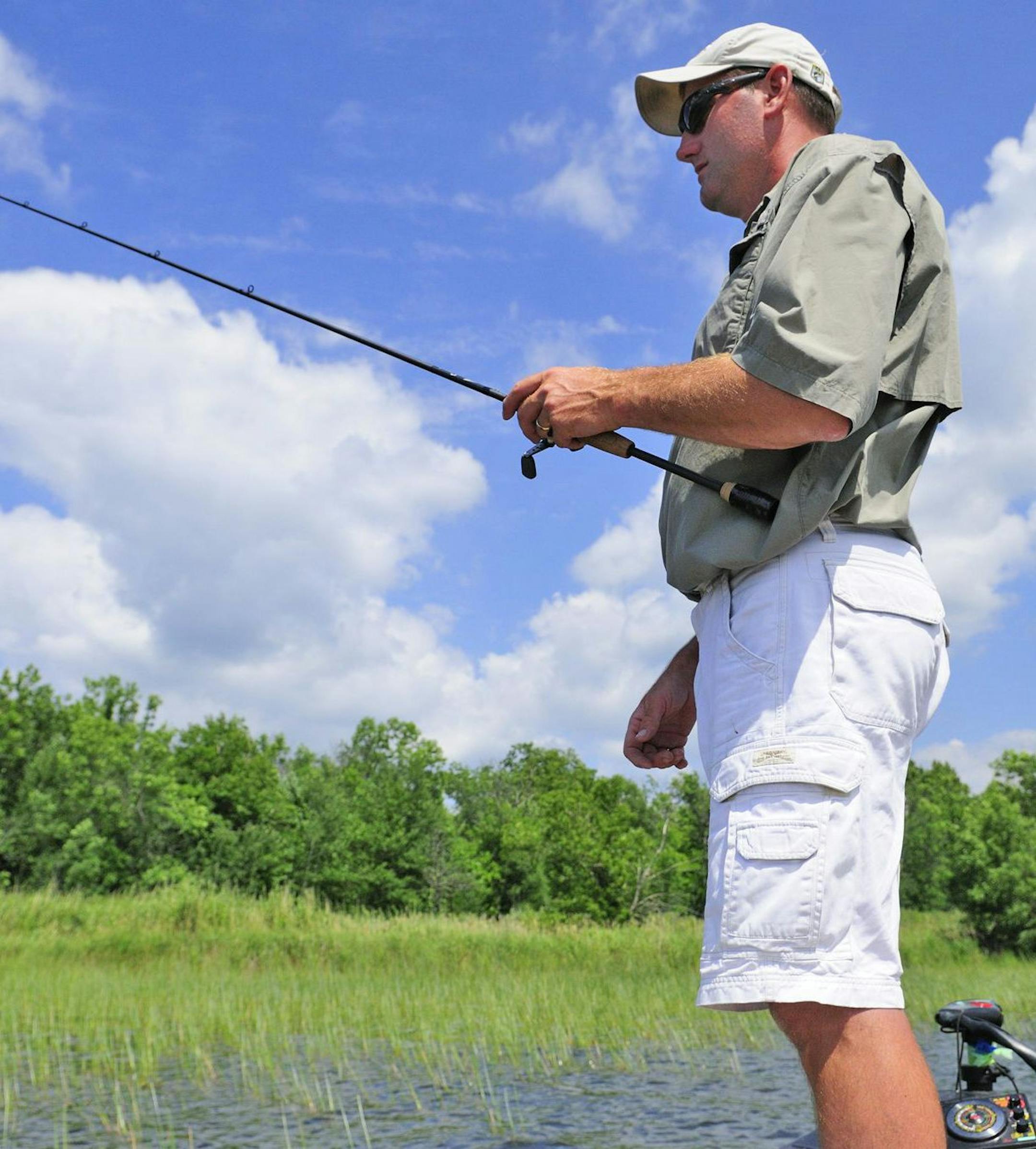
For Lindy Frasl, of Brainerd, a successful part-time bass tournament angler, the above rarely occurs.
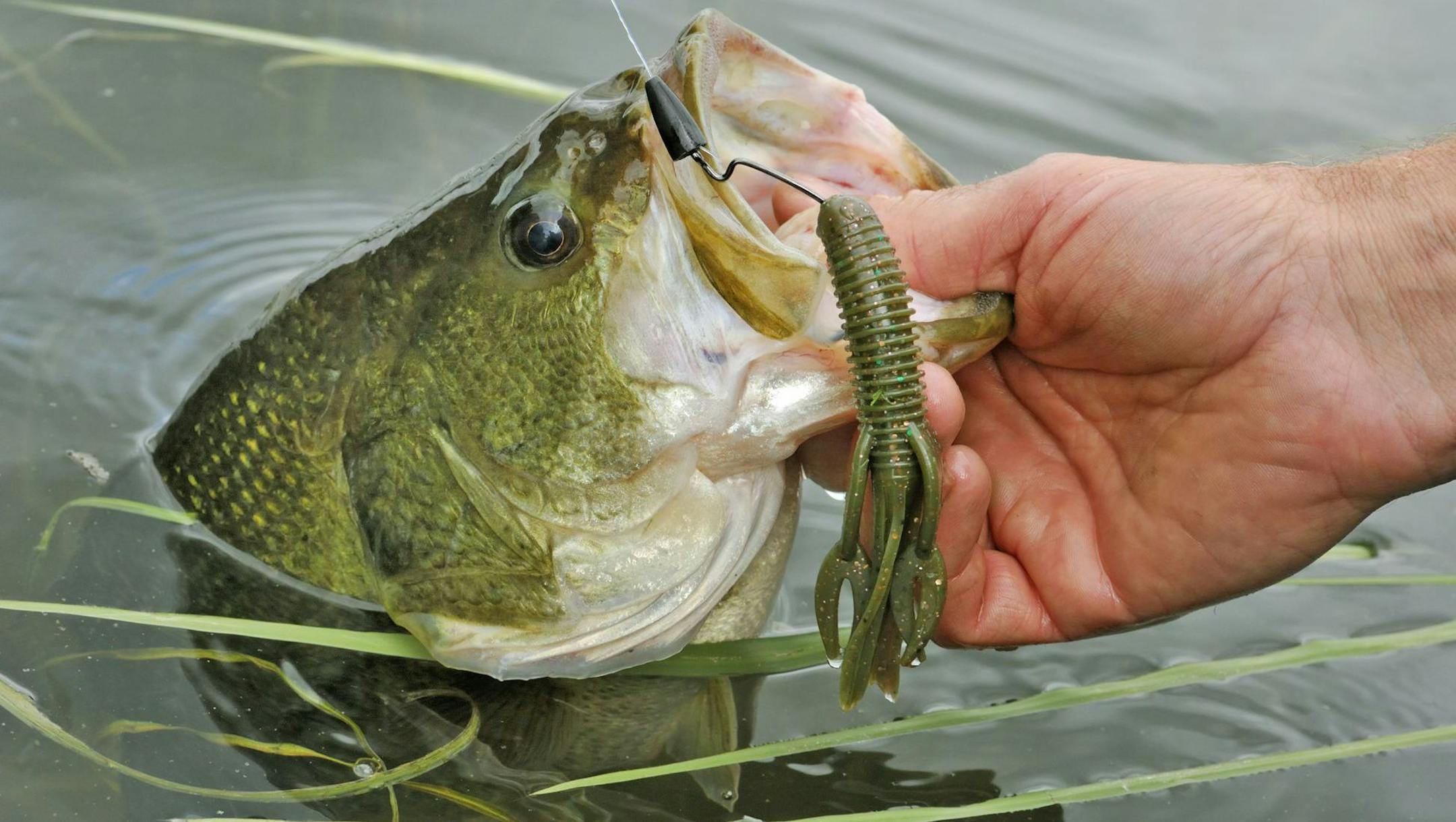
"I catch about 90 percent of my bass on jigs," Lindy told me.
If you are an bass angler and you haven't fished using a jig, you need to come out from under your lily-pad hideout. Jigs are one of the most versatile lures an angler can employ. They probably account for more fish (of all species) than any other artificial lure.
Lindy uses jigs in a variety of ways to entice hungry largemouth. When pressed, he admits his most productive method of boating bass is to fish clumps of coontail (a submerged aquatic plant that, well, resembles a raccoon's tail.)
"If I can find coontail clumps growing on a flat in 8 to 12 feet of water, I can usually find largemouth bass," Lindy said. "I'll especially work the edges of the coontail clumps. I cast a jig and allow it to sink to the bottom. Oftentimes a bass will hit the jig on the initial fall. If not, I prefer to drag the jig along the bottom using short strokes instead of the traditional hop, hop retrieve."
Lindy finds that bass often strike a jig while it lies motionless on the bottom. "Sometimes they'll take it even after it sits for as long as 10 seconds," Lindy said.
Lindy emphasized that every lake is different. Some lakes are noted for bass-holding clumps of coontail, while other lakes produce more bass in the bulrushes.