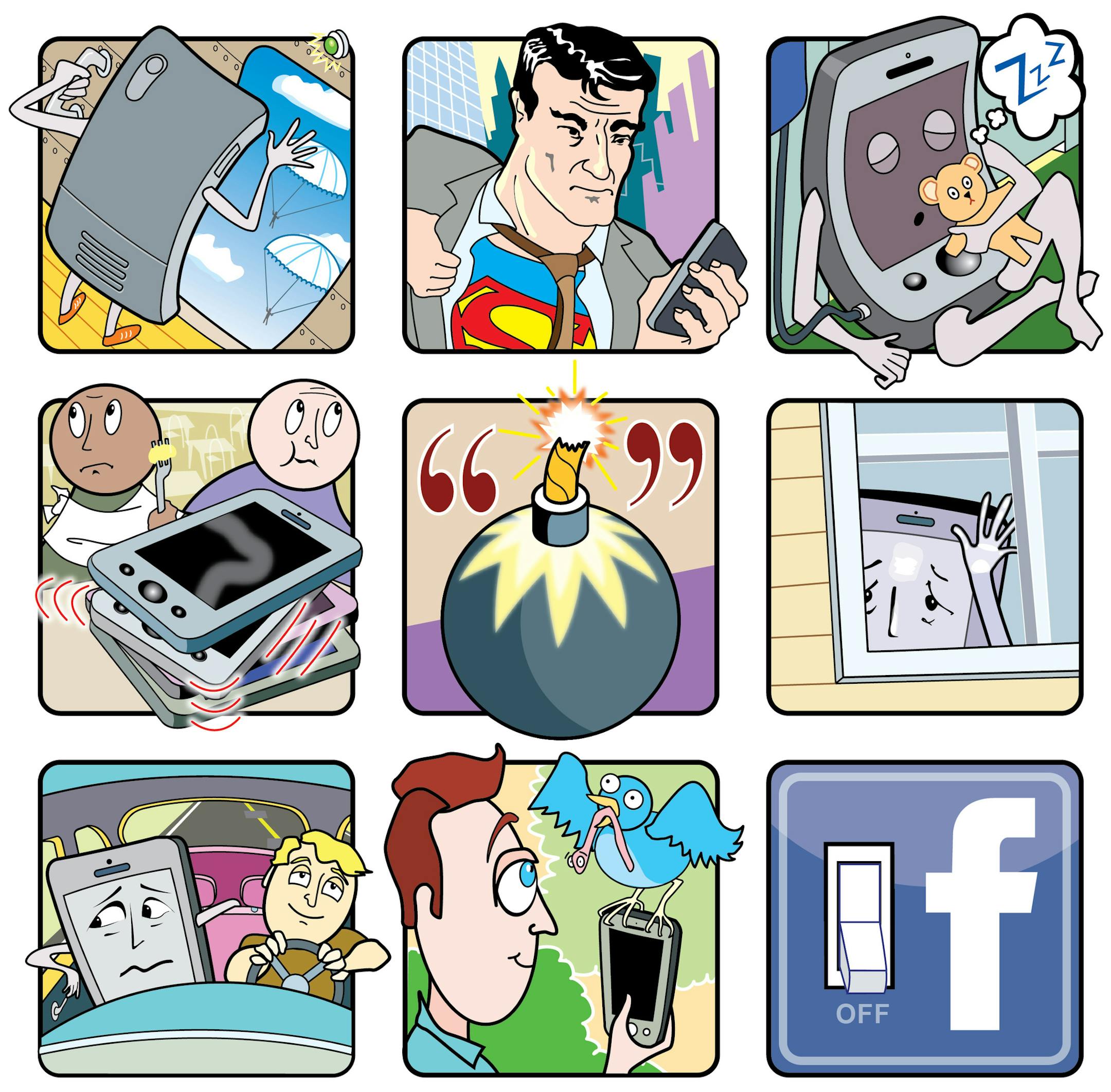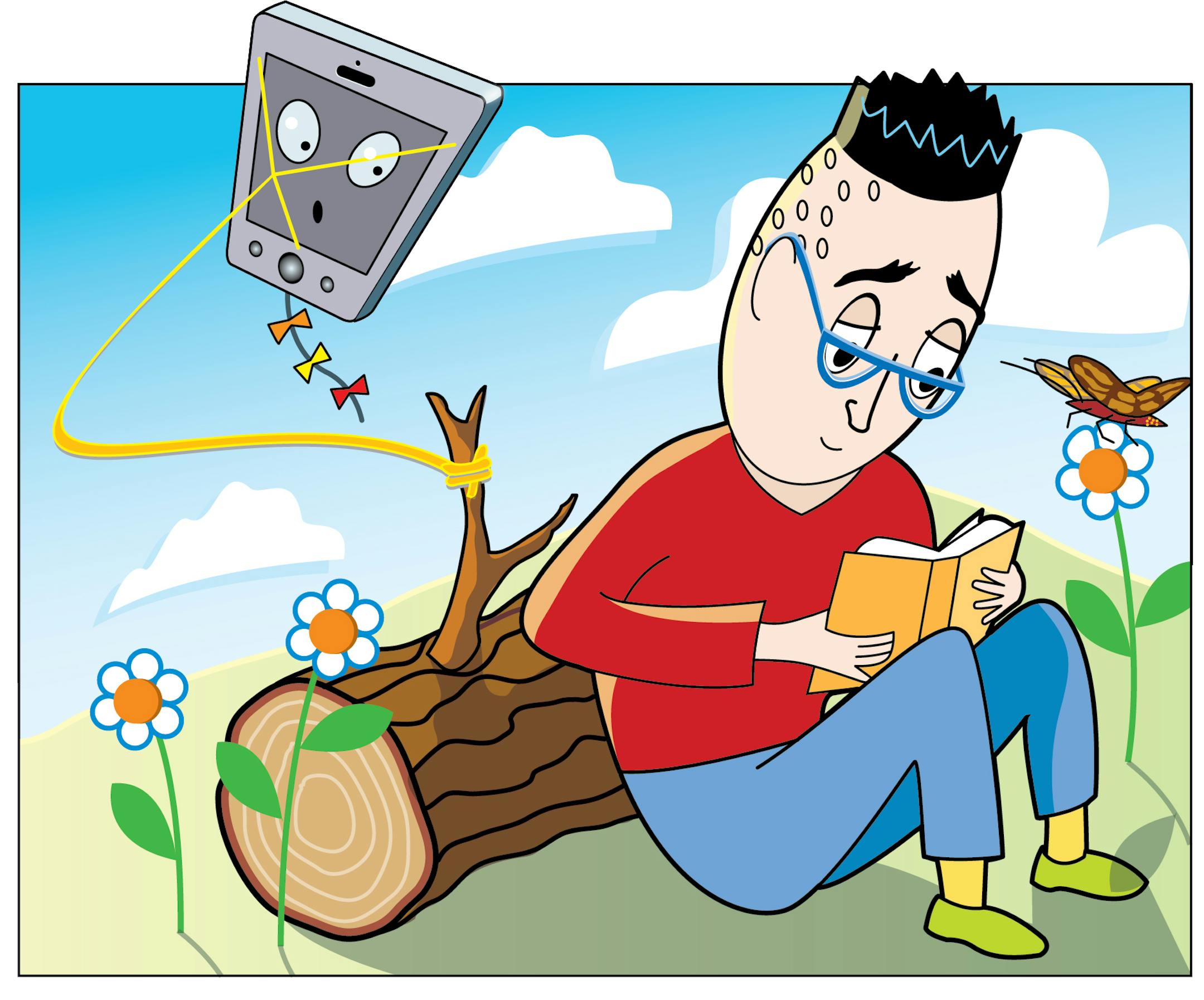
Cellphones, for many people, have morphed into an extra appendage, always within reach except for that time you accidentally left it at home and suffered a minor panic attack.
Our constant connectedness has its benefits — it's difficult to imagine a time when some useless trivia dispute, without a smartphone's instantaneous Google search, would simply go unresolved. But when people can't get through dinner without responding to their phone's pings, or they avoid vacations for fear of being somewhere without cell reception, or they so restlessly check their Facebook and Twitter feeds that they walk blindly into traffic — it may be a sign that the white-knuckled grip people have on their phones is actually the phones' grip on them.
Some experts caution about the hazards of cellphone overload.
Dr. Elias Aboujaoude, a Stanford University psychiatrist and the author of "Virtually You: The Dangerous Powers of the e-Personality," said people "lose the ability to be in the moment" when they're bombarded by messages they feel compelled to react to.
He gets patients showing signs of distractibility and attention deficit disorder who wonder if their compulsive phone-checking is to blame.
"It's hard to go from updating your status to reading 'War and Peace,' " Aboujaoude said.
Daniel Sieberg, a former science and technology reporter, wrote the book "The Digital Diet: The 4-Step Plan to Break Your Tech Addiction and Regain Balance in Your Life" after his reliance on gadgets hurt his relationships with his friends and family and left him feeling distracted, disconnected and isolated. Now the leader of media outreach at Google, Sieberg said he's more grounded and productive since becoming intentional about his digital consumption.
People need to recognize the good and bad of cellphones and make conscious choices about when and how much they use their devices, said Nancy Baym, author of "Personal Connections in the Digital Age" and a principal researcher at Microsoft Research.