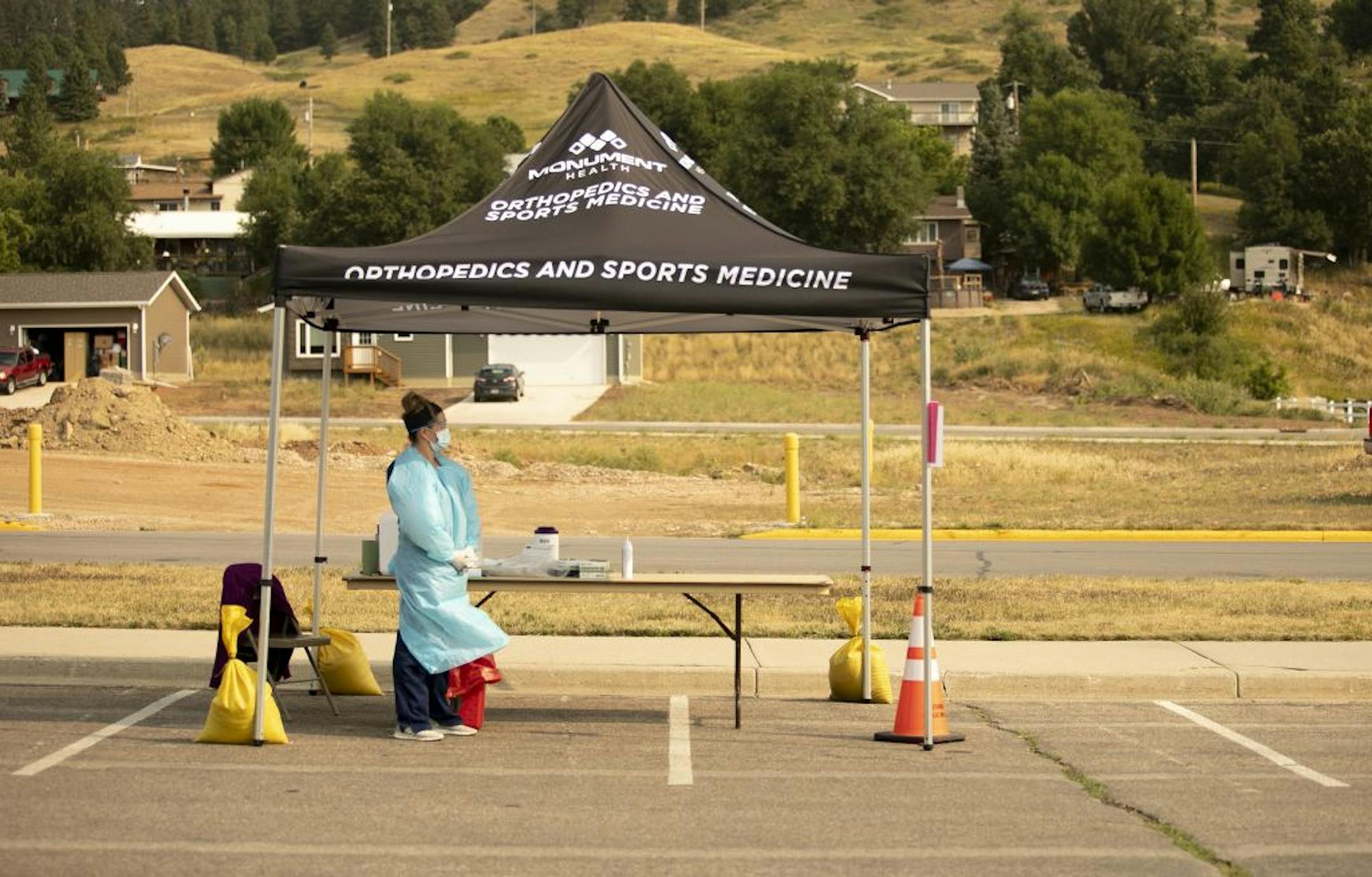
It had been a long ride back from Sturgis, S.D., so when he first felt an ache at the back of his throat, Kenny Cervantes figured he was just tired. He'd traveled the 400-some miles on his Harley, rumbling through wide-open farm and prairie land on his way home to Riverdale, Neb., where his girlfriend was waiting.
A lifelong motorcycle enthusiast, the 50-year-old construction worker and father of five had been determined to go to the Sturgis Motorcycle Rally, a holy grail for bikers. Even when his girlfriend, Angie Balcom, decided to stay back because she was worried about being around so many people during a pandemic, Cervantes was adamant about going.
"I don't think there was nothing that was going to stop me," he said.
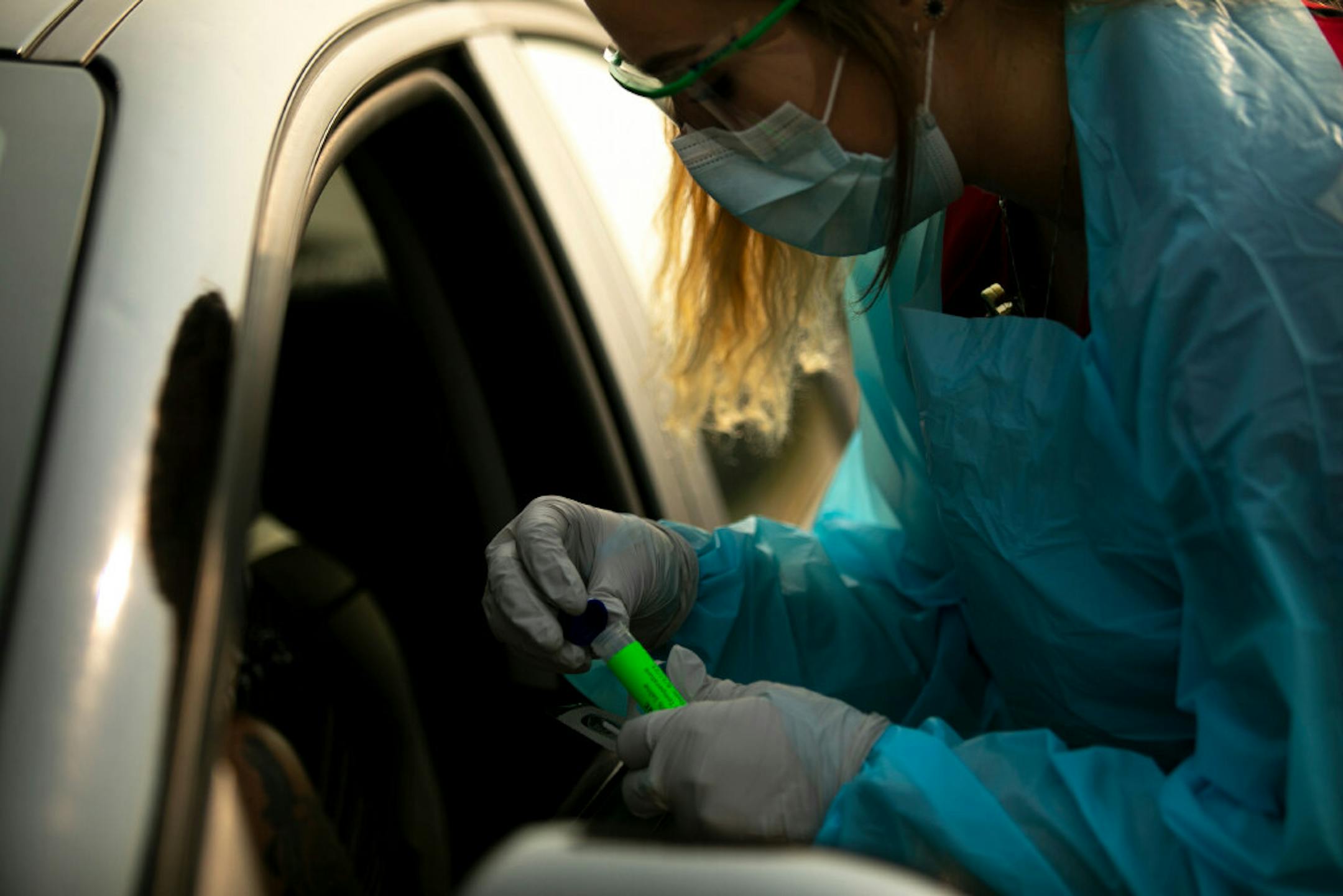
Back home, Cervantes took Tylenol for his throat and went to bed early. But he woke up the next morning coughing so hard he struggled to catch his breath. Over the next few days, the pain in his chest made him fear that his heart might stop, and a test later confirmed he had the novel coronavirus, which causes the disease COVID-19. He was admitted to the hospital 11 days later, on Aug. 27. Soon, his girlfriend and his sister were sick, and Cervantes was going over everything he did and every place he visited in Sturgis, wondering where the virus had found him.
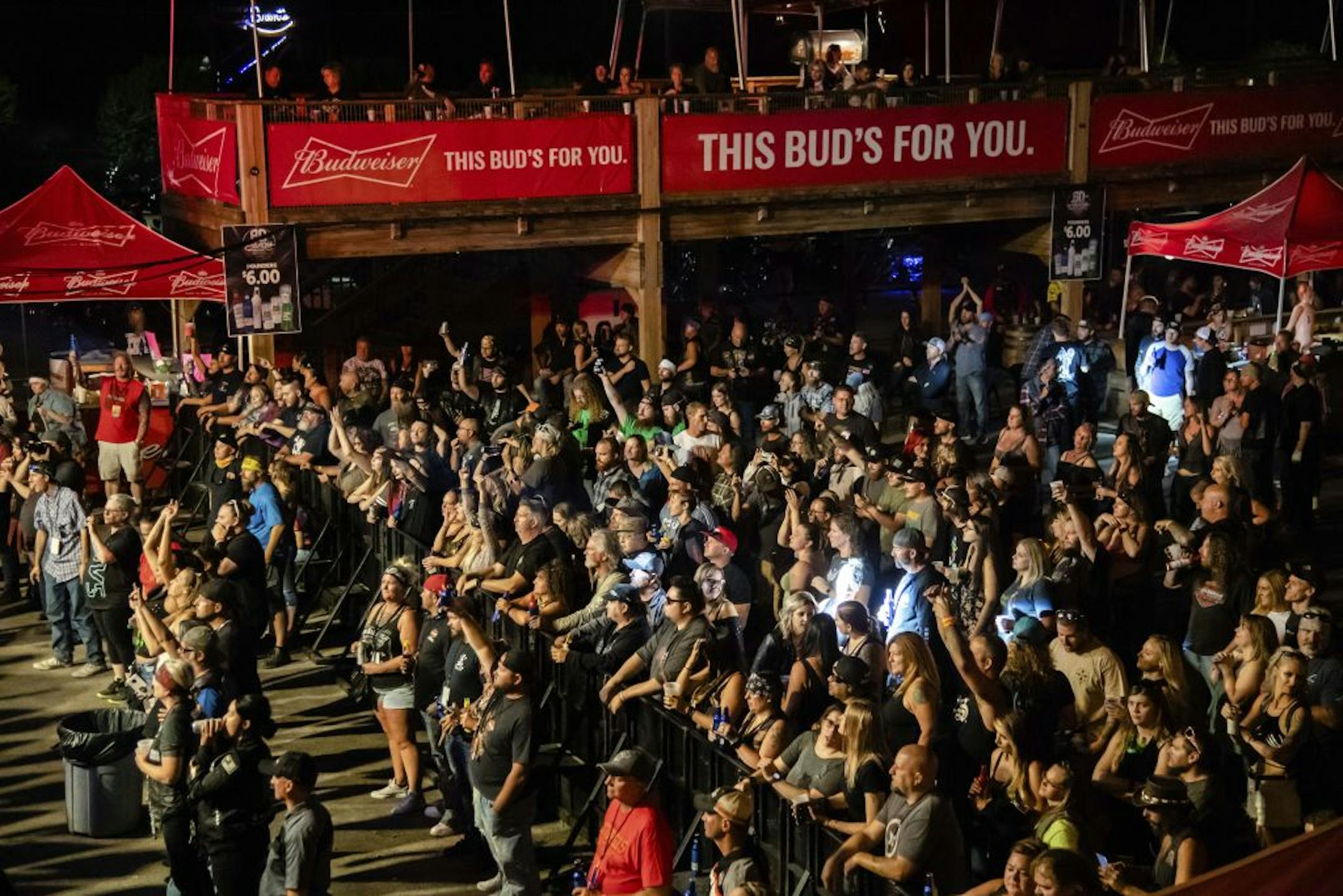
Within weeks of the gathering, the Dakotas, along with Wyoming, Minnesota and Montana, were leading the nation in new coronavirus infections per capita. The surge was especially pronounced in North and South Dakota, where cases and hospitalization rates continued their juggernaut rise into October. Experts say they will never be able to determine how many of those cases originated at the 10-day rally, given the failure of state and local health officials to identify and monitor attendees returning home, or to trace chains of transmission after people got sick. Some, however, believe the nearly 500,000-person gathering played a role in the outbreak now consuming the Upper Midwest.
More than 330 coronavirus cases and one death were directly linked to the rally as of mid-September, according to a Washington Post survey of health departments in 23 states that provided information. But experts say that tally represents just the tip of the iceberg, since contact tracing often doesn't capture the source of an infection, and asymptomatic spread goes unnoticed.
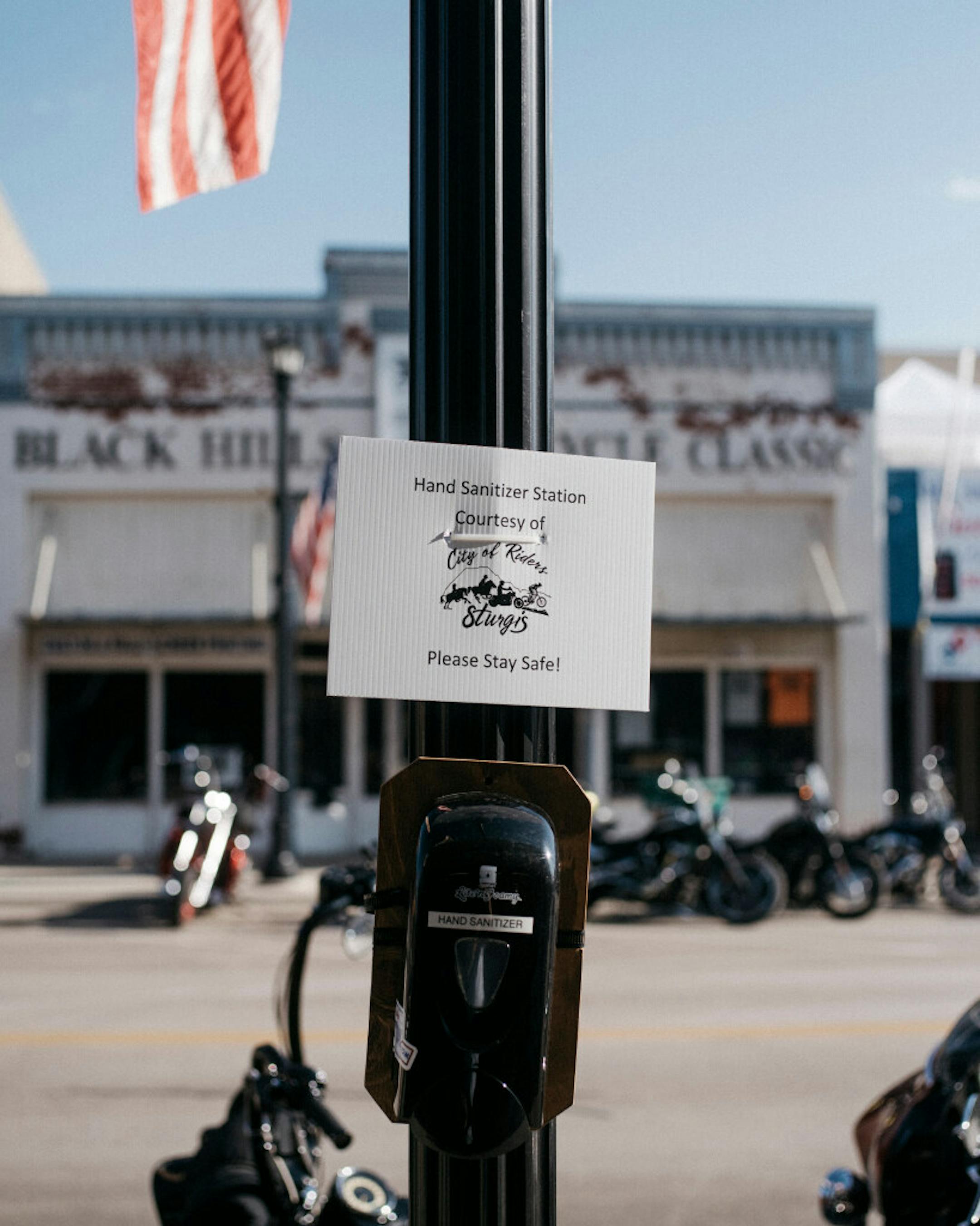
In many ways, Sturgis is an object lesson in the patchwork U.S. response to a virus that has proved remarkably adept at exploiting such gaps to become resurgent. While some states and localities banned even relatively small groups of people, others, like South Dakota, imposed no restrictions — in this case allowing the largest gathering of people in the United States and perhaps anywhere in the world amid the pandemic and creating huge vulnerabilities as tens of thousands of attendees traveled back home to every state in the nation.
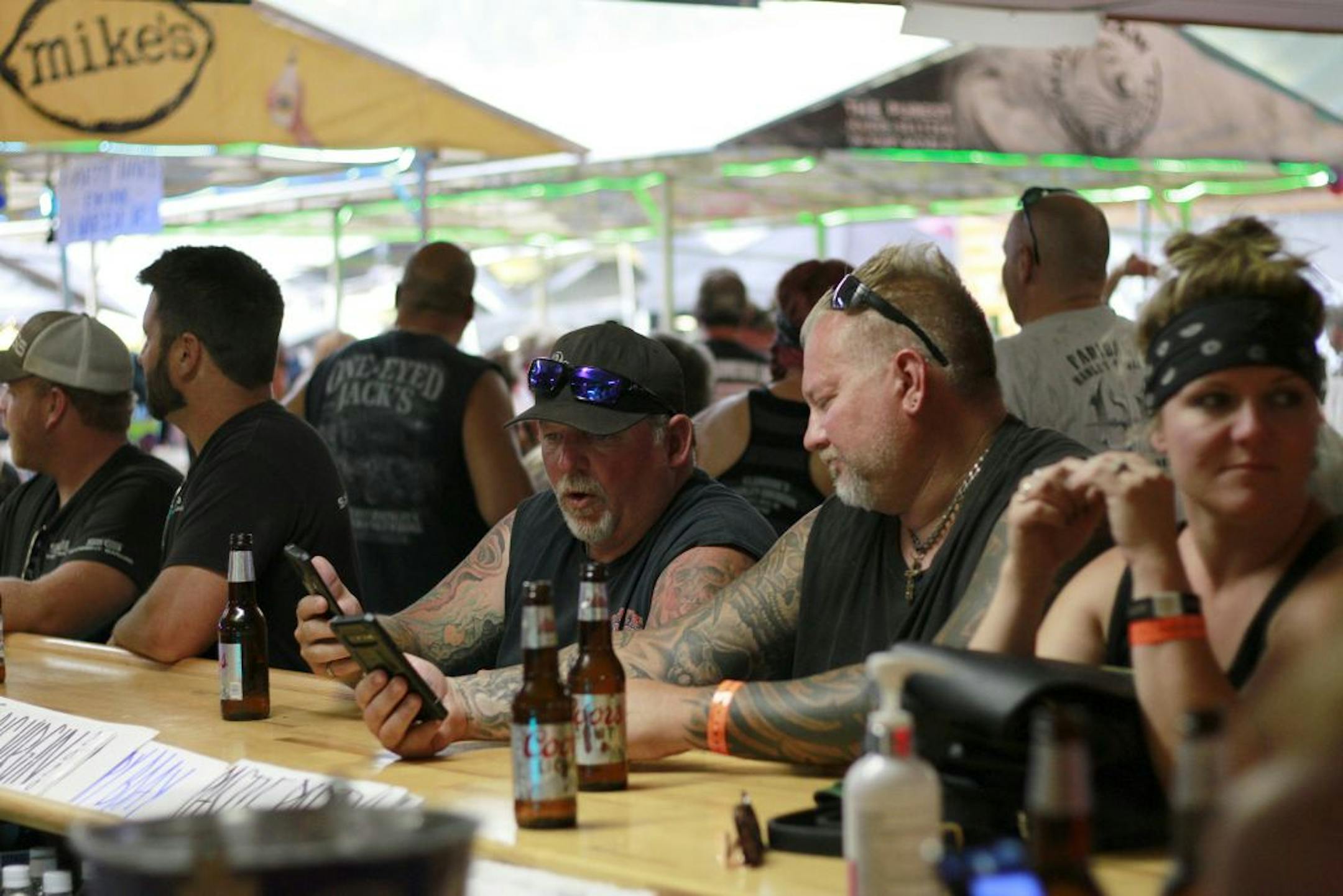
Many went unmasked to an event public health officials pleaded with them to skip, putting themselves and others at risk, because they were skeptical about the risks, or felt the entreaties infringed on their personal liberties. Rallygoers jammed bars, restaurants, tattoo parlors and concert venues; South Dakota officials later identified four such businesses as sites of potential exposure after learning that infected people had visited them.
![Infectious Disease Director Kris Ehresmann. Minnesota Health Commissioner Jan Malcolm along with State Epidemiologist Dr. Ruth Lynfield and Infectious Disease Director Kris Ehresmann held a briefing to outline how the state has been preparing for the 2019 coronavirus and how MDH and the public health community would respond if a case were to be identified in Minnesota. ] GLEN STUBBE • glen.stubbe@startribune.com Friday, January 24, 2020 Minnesota Health Commissioner Jan Malcolm along with State](https://arc.stimg.co/startribunemedia/OLDMFPZYGEF2IEQJ5BK5XMIQII.jpg?&w=1080)