

In the summer of 2016, streaming TV was still figuring itself out. Netflix had been producing original series for a few years, with occasional company from Amazon, Hulu, Yahoo and the like. Disney+, Apple TV and HBO Max were still gleams in some billionaires’ eyes.
Would the future of streaming be in wild, form-breaking experimentation, like Netflix’s “Sense8”? Would it be nonlinear storytelling, like its revival of “Arrested Development”? Would it be in prestige comedies, like “BoJack Horseman,” or prestige-flavored dramas, like “House of Cards”?
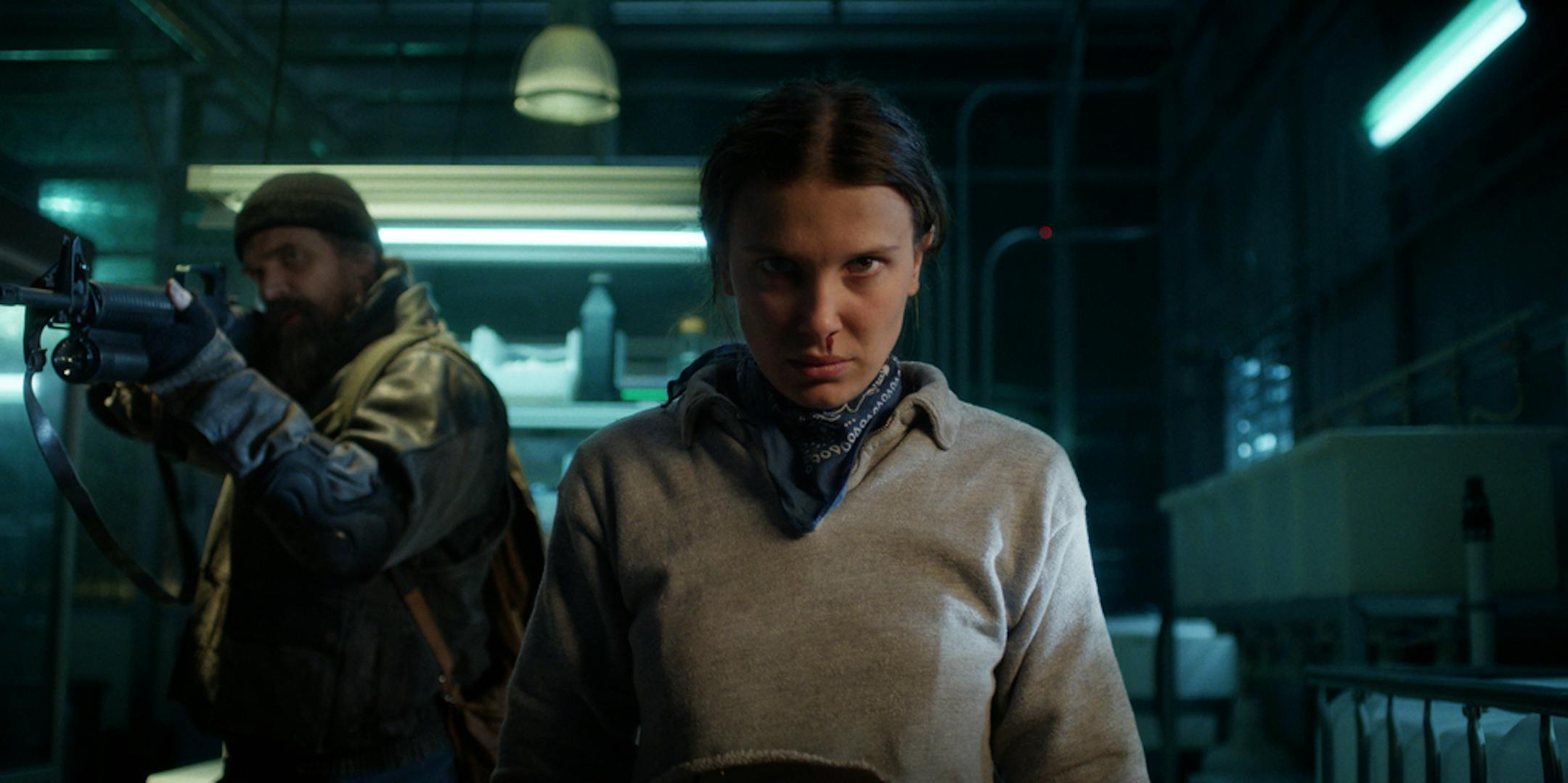
I’m not sure anybody was expecting the answer to come from a popcorn horror thriller that premiered that July. But the success of “Stranger Things,” which is about to end its run after nearly a decade, told us that the future of streaming TV was largely in the past. (The first four episodes of the final season arrived Wednesday.)
I don’t mean merely that the series is a period piece, though its evocation of the 1980s in small-town Hawkins, Indiana, is a big part of the appeal; you can almost smell the hair spray and taste the Orange Julius. I mean that the series is an entertainment machine built by repurposing vintage pop-culture parts — something that streaming would come to specialize in.
There is the Spielbergian coming-of-age through-line, familiar from such movies as “E.T.” (in which Dungeons & Dragons also played a character-establishing role); the horror and adolescent bonding of Stephen King; the chills (and typography) of ’80s supernatural tales; the mean jocks and soulful Goths of John Hughes; the well-curated pop-culture quotations, from Kate Bush to “The NeverEnding Story” to the casting of Winona Ryder of “Heathers” and “Beetlejuice.” It’s a big Halloween bowl of retro candy that invites you to remember when, one sugary bite at a time.
This is not to say that “Stranger Things” is merely derivative. Pastiche can be its own kind of art, and what Matt and Ross Duffer created was fun and fresh, especially in its early seasons.
But this is to say that “Stranger Things” succeeds in part because of how well it evokes pop culture that audiences already love. It is, in other words, a human-made equivalent of the algorithm, the software engine that has come to define the experience and the aesthetic of streaming.
Late in 2015, I tried to define in this newspaper what streaming was and how it differed from TV as we’d known it. “Streaming,” I wrote, “has the potential, even the likelihood, to create an entirely new genre of narrative.” As has always been true in TV, the way you watched shows on streaming would in part determine the kind of shows you would watch on streaming — their shape, their pace, their style.


