

Opinion editor's note: Editorials represent the opinions of the Star Tribune Editorial Board, which operates independently from the newsroom.
•••
It's arguably the most critical question in modern education: How can schools with the most challenging, lower-income student populations and seemingly intractable learning disparities boost achievement?
A recent Star Tribune news story highlighted schools across Minnesota that showed better-than-expected test results in schools with higher numbers of lower-income families. That's used as a metric because much of the research on student achievement finds a direct correlation between academic achievement and family income.
The schools and districts that are showing success offer strong examples and lessons for programs that are struggling.
Beating-the-odds schools, experts say, use instruction methods that introduce concepts through different kinds of lessons, empower students and expose them to more content that is relevant to their lives and cultures.
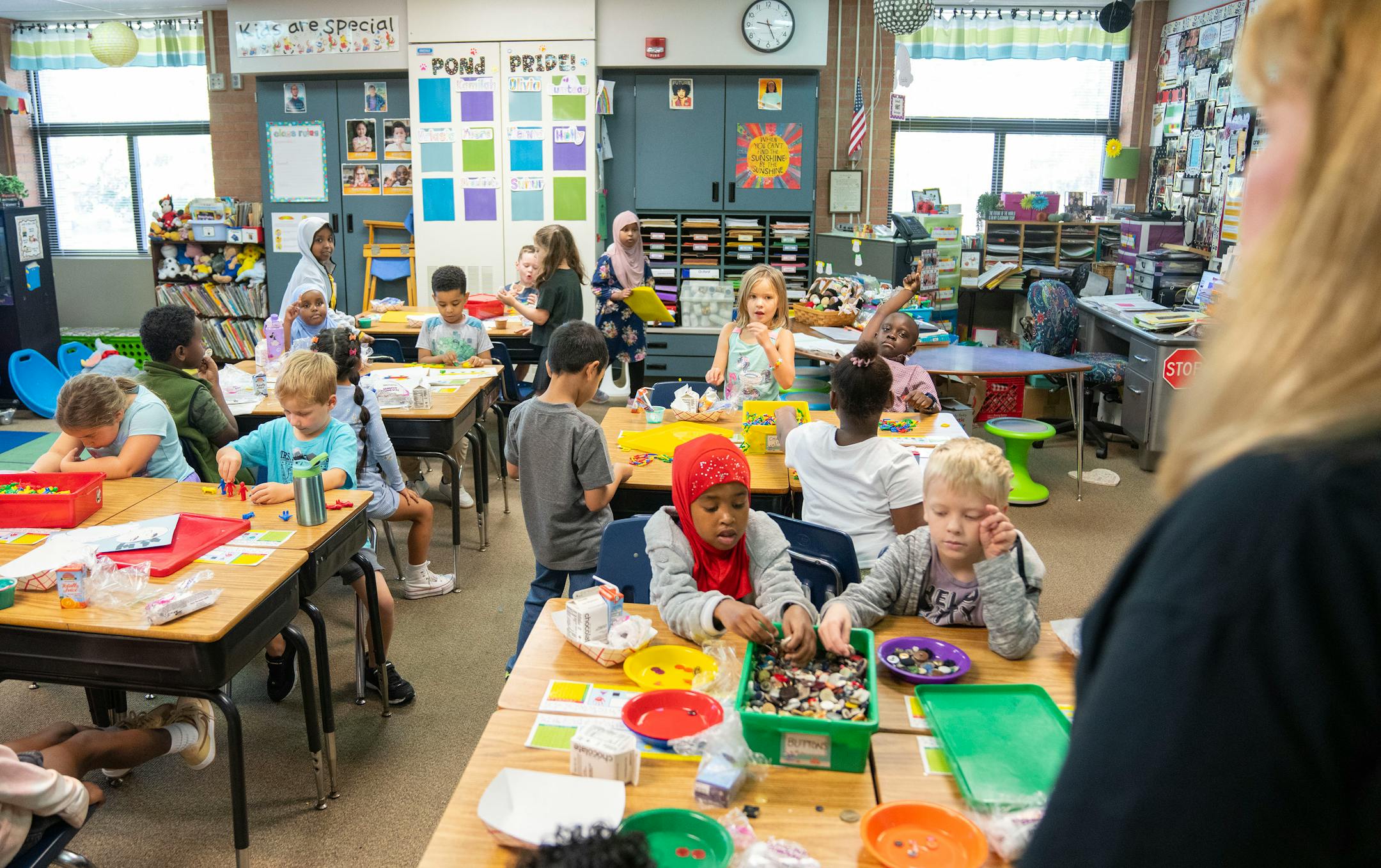
At Gideon Pond Elementary in Burnsville, for example, a teacher told the Star Tribune that students write and talk about their cultural identity as one way to better connect with other students and their academics. Gideon Pond is among about 30% of high-poverty schools that did better than expected last year on the state's math test and among the 20% that beat the odds on the reading exam.
National research from the Portland, Ore.-based Northwest Evaluation Association also suggests that educators mix whole-group and small-group instruction and be nimble enough to switch gears based on student needs.


