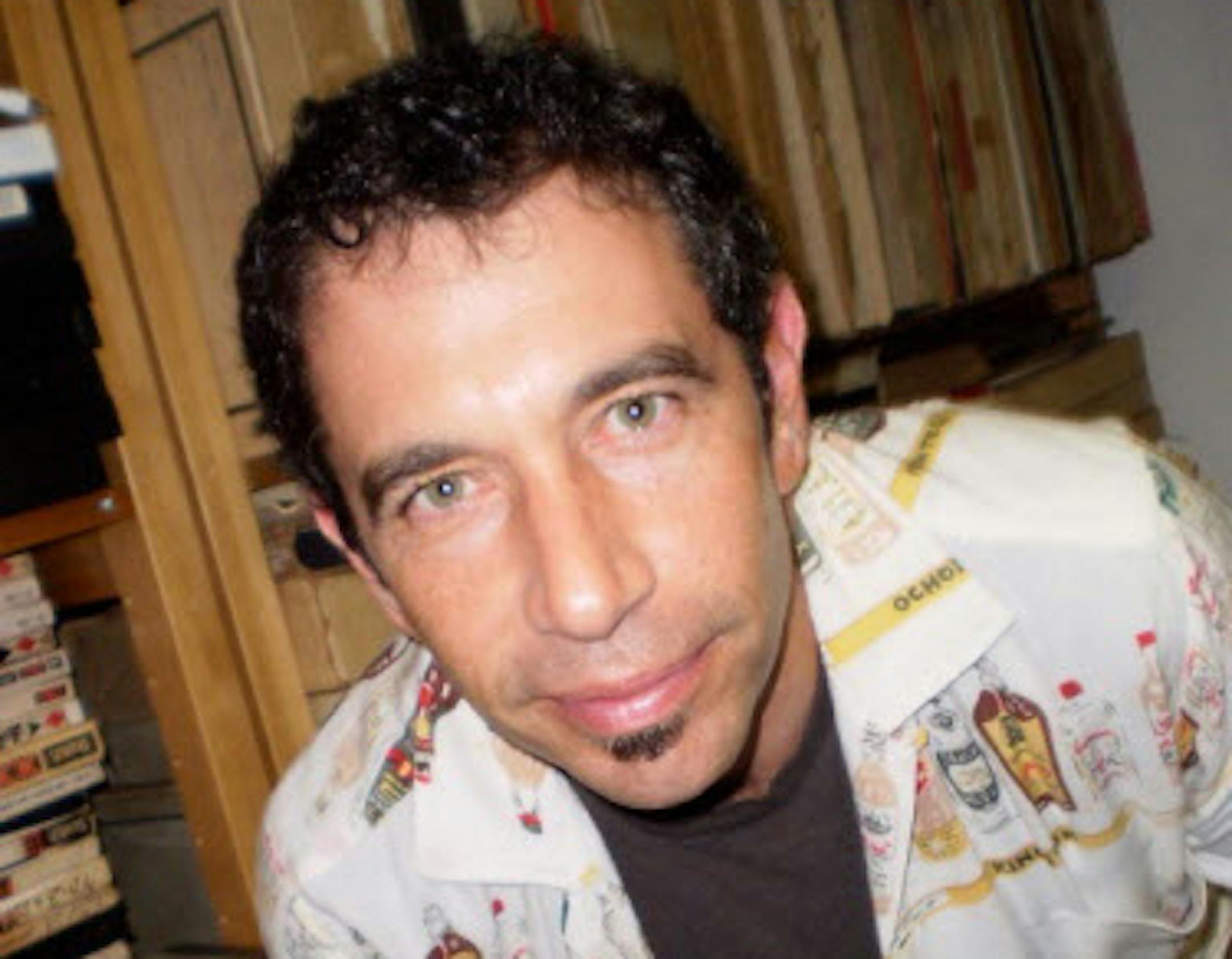
Brad Klein is standing in the glass doorway at World Street Kitchen in south Minneapolis, on his cellphone, smoothing things over.
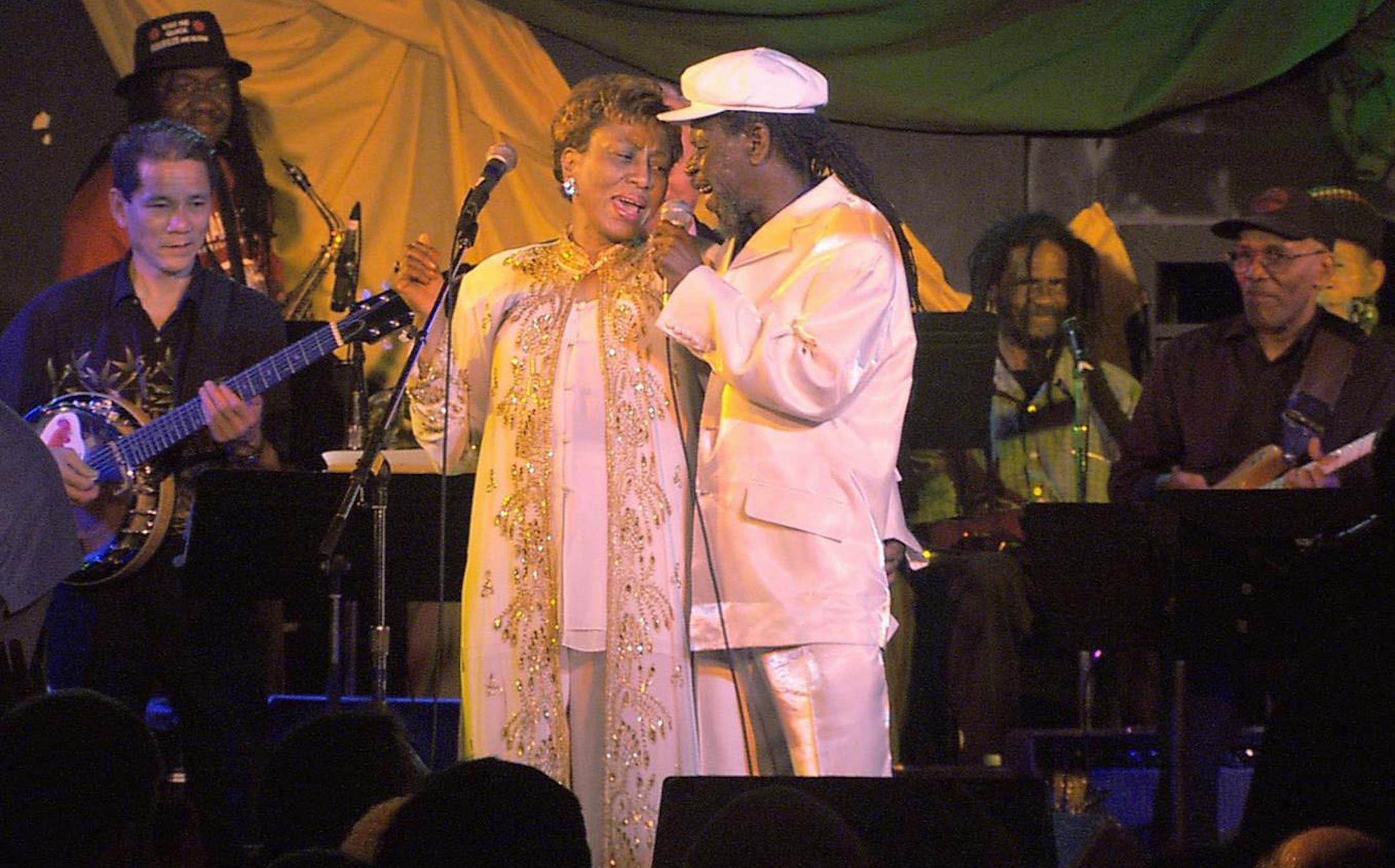
The 52-year-old Minneapolis native is used to doing that — he's a real estate agent. But this is different: On the other end of the call is Jamaican music legend Millicent Todd, aka Patsy — one of the headliners of the Klein-assembled Cariba Days: A Tropical Movie and Music Fest, happening May 13-15 at Pepito's Parkway Theater in south Minneapolis.
Patsy, who lives in Florida, is under the impression that the show was taking place in Jamaica — she couldn't locate her passport. "Don't worry," Klein tells her. "You don't need a passport to come from Florida to Minneapolis."
Klein made his own passport from Minneapolis to Jamaica: His documentary, "Legends of Ska," is Cariba Days' centerpiece. Patsy is one of a smorgasbord of talking heads historicizing the music, which enjoyed its mid-1960s heyday in the wake of Jamaica's independence from England. Ska would fall out of favor — first to the slower rock steady, then, by the late '60s, to reggae.
"I wanted to show the world that there's a lot more to Jamaican music than Bob Marley, Jimmy Cliff and Peter Tosh," Klein said. "So much music comes from it. Rap came from the sound system guys: U-Roy in Kingston, chanting over rhythms. That's where it started."
"Legends of Ska" is accompanied at Cariba Days by six other films, a handful of bands — including original ska musician Phil Chen and local ska band the Prizefighters — and Klein himself, spinning records as Steady Rock Sound. He's bringing in his own sound system for the occasion; he's also supplying "a big vat of Walkerswood, my favorite jerk seasoning," with which Pepito's cooks will "jerk" their Mexican menu. "Whatever's on the menu, you can jerk it — enchiladas, anything," he said.
The Parkway has shown Klein's documentary a few times since its release last year. It's drawn well enough that owner Joe Senkyr Minjares suggested Klein schedule a full weekend; Klein went for a full-on fest, getting quick "yes" replies from a half-dozen directors he'd met on the festival circuit. (It helped that Klein offered the filmmakers small fees — most film festivals don't.)
Most of the films, a mix of docs and dramas, are recent, aside from "18 on Steel," a well-regarded Trinidadian short from 1964 about the Steel Band Jamboree held at the U.S. Naval Base in Chaguaranas, and the 2004 documentary "Calypso Dreams," about the roots of Trinidad and Tobago's pop style.