Would it surprise you to know that a crispy chicken salad at Burger King has as many calories (670) as a Whopper? Or that a 16-ounce mocha at Starbucks has twice the calories of a cappuccino?
These numbers aren't exactly trade secrets -- you can find them on the restaurants' websites -- but in the next few years, they will start showing up on their menus as well, thanks to a small provision in the massive health care law President Obama signed last week.
The new rule, which applies to restaurant chains with 20 or more locations, won't formally kick in for at least a year. But consumer advocates say it could be a powerful weapon in the battle against obesity, simply by allowing consumers to see how many calories they're eating when they dine out.
"Right now, when coffee drinks can range from 20 calories to 800 calories and even hamburgers can range from 250 calories to over 1,000, people have no idea what they're eating," said Mary Story, a nutritionist and obesity expert at the University of Minnesota. "I try not to eat out. It's just too easy to gain weight."
Where "menu labeling" is in effect, there's already evidence that it's having an effect. In New York City, which passed the first such law in 2008, restaurants have trimmed the calorie content of some of their most popular items, and consumers have shaved off some of the calories they order at each sitting.
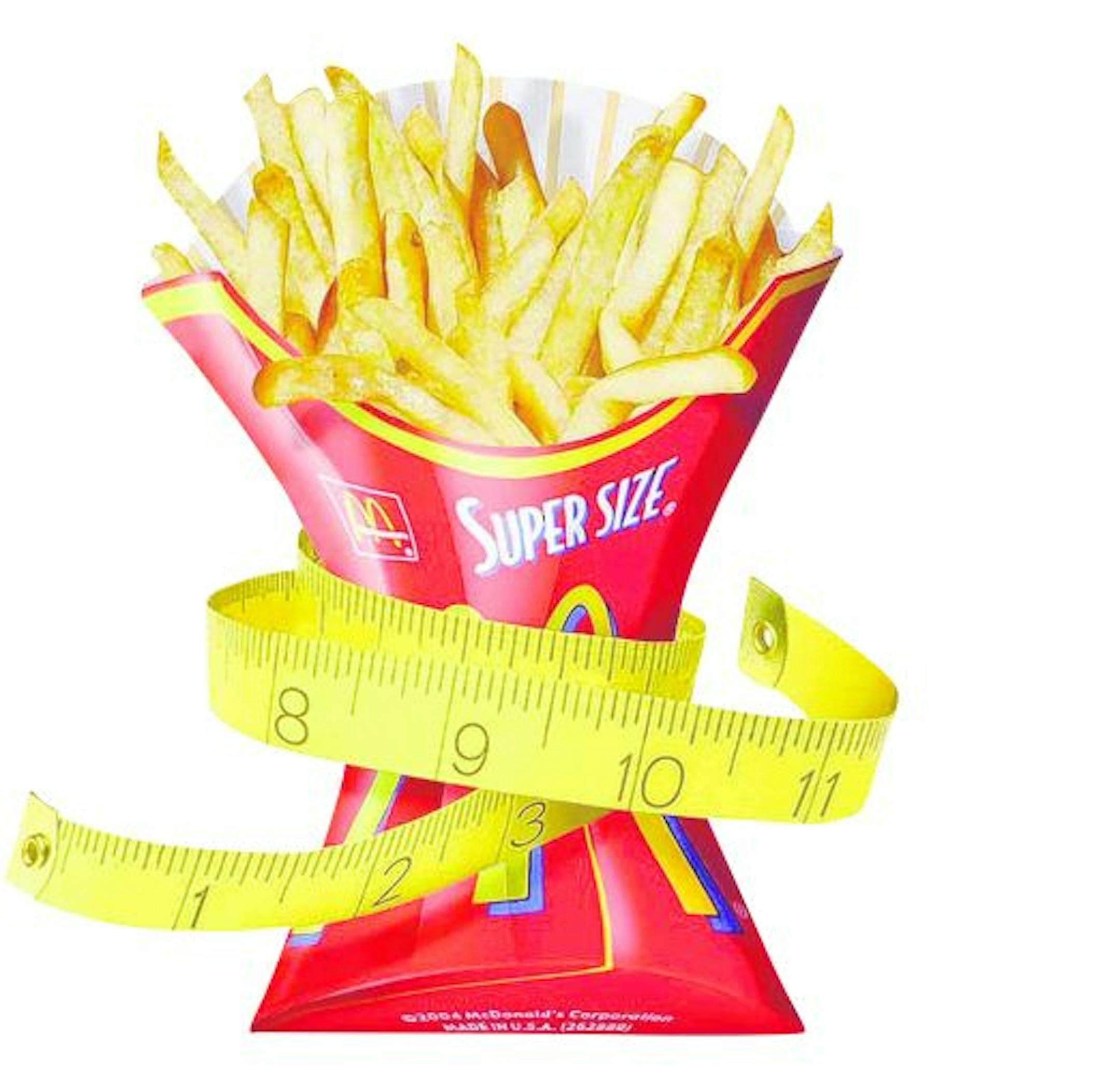
Some restaurant chains, too, have found ways to lighten their fare. McDonald's, for example, shaved 70 calories from a large order of fries, and Dunkin' Donuts cut 130 calories from a glazed donut.
Even the restaurant industry, which initially fought the idea, has endorsed the new menu requirement.
"No business wants more regulation, but in some ways, this is helpful," said Aric Nissen, marketing vice president of Minnetonka-based Famous Dave's. "What we have to do for New York City is very different from what we have to do in Philadelphia," he said, referring to two cities that have adopted menu labeling. "Now there is a national standard."