

Opinion editor's note: Star Tribune Opinion publishes a mix of national and local commentaries online and in print each day. To contribute, click here.
•••
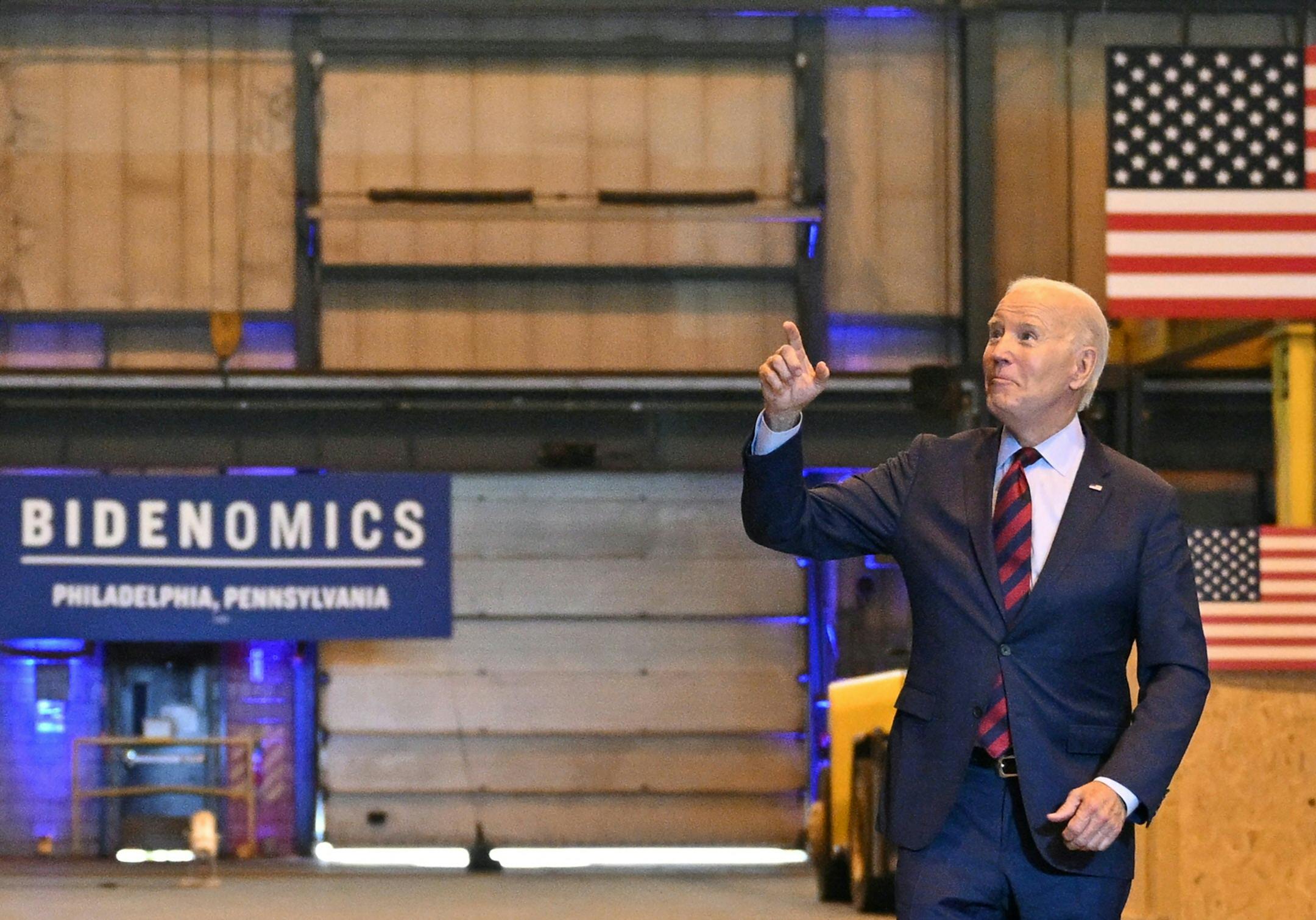
Economists are playing a game of "can-you-top-this," seeing who can ramp up their U.S. economic growth forecasts the most. (Those at JPMorgan now predict a 3.5% annualized rate for the current quarter, up from the measly 0.5% they expected at the end of July). Many are saying that the recession most all of them predicted was imminent at the start of the year isn't happening anytime soon. The White House says these are the fruits of "Bidenomics."
In reality, it's more like a sugar high.
The hot economy may be getting all the attention, but the massive expansion in the federal budget deficit can't be ignored. Back in May of 2022, the bipartisan Congressional Budget Office projected a shortfall for fiscal 2023 ending Sept. 30 equaling 3.8% of gross domestic product. It revised that to 5.4% in February. With two weeks left in the fiscal year, the actual deficit is 7.9%.
This isn't the way President Joe Biden's Rescue and Recovery Plan for the economy was supposed to work. The idea was that by spending money up front to stabilize the labor market the administration would ensure a strong economy, leading to higher tax revenues and thus a lower deficit. The first two parts of the plan worked out. Unemployment has been below 4% for 19 straight months, the longest stretch since the late 1960s, and last year tax revenues as a percentage of GDP were at a record high of just more than 10%. So, how did it go wrong on the deficit? The short answer is inflation.
Prominent economists such as former Treasury Secretary Larry Summers warned that Biden's 2021 stimulus package could "overheat" the economy and cause inflation rates to soar. The White House chose to ignore those warnings because it worried about a repeat of the slow recovery that followed the Great Recession, when unemployment stayed elevated for years.
Summers turned out to be correct. Consumer prices rose at the fastest pace in 40 years. Higher rates of inflation lead to higher government spending because benefits such as Social Security receive annual cost-of-living adjustments. In addition, tax brackets are also indexed annually to inflation. A high inflation rate in 2022 led to larger than usual bracket increases in 2023. For example, the standard deduction increased $1,800 this year while last year's increase was only $600.


