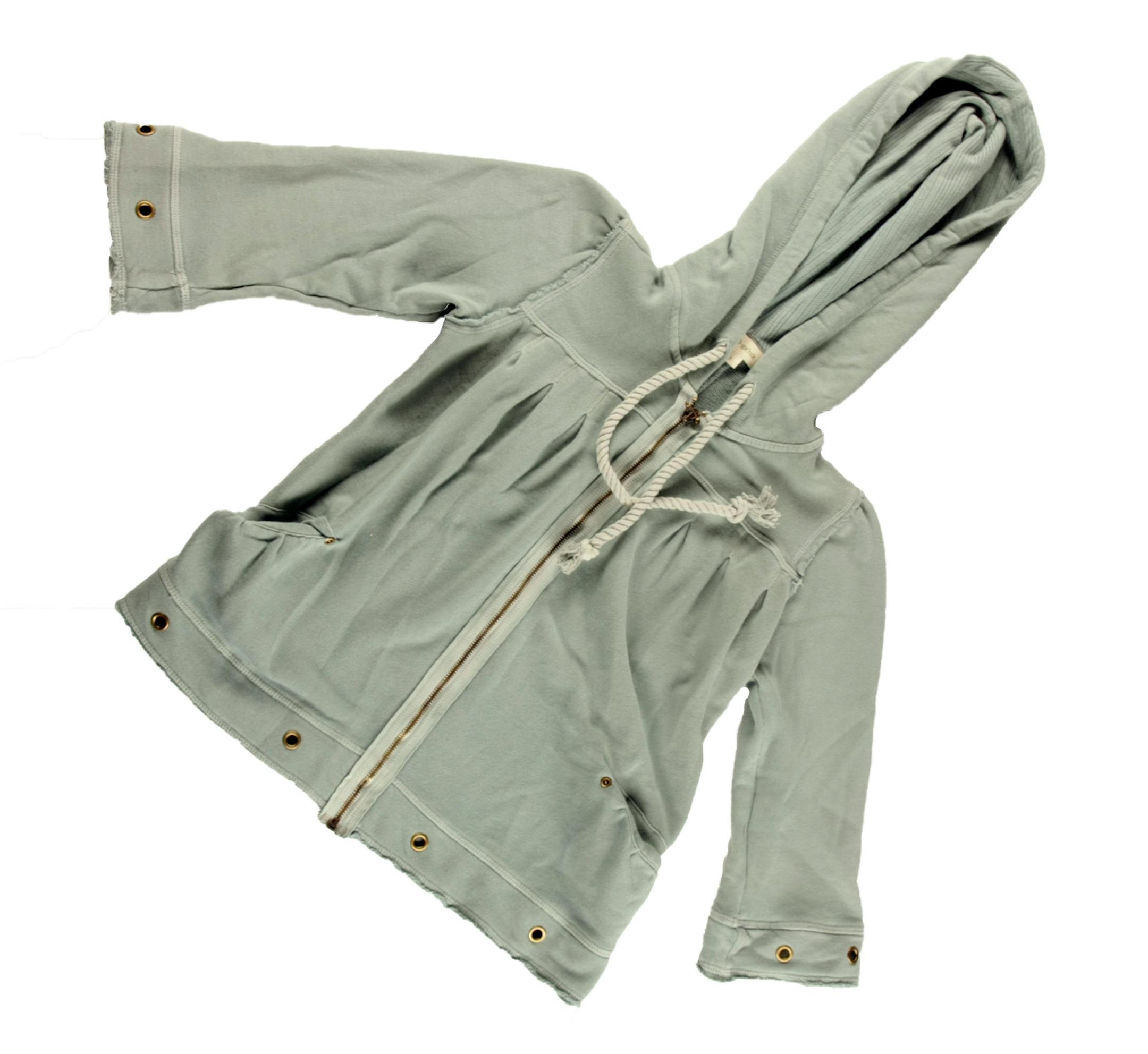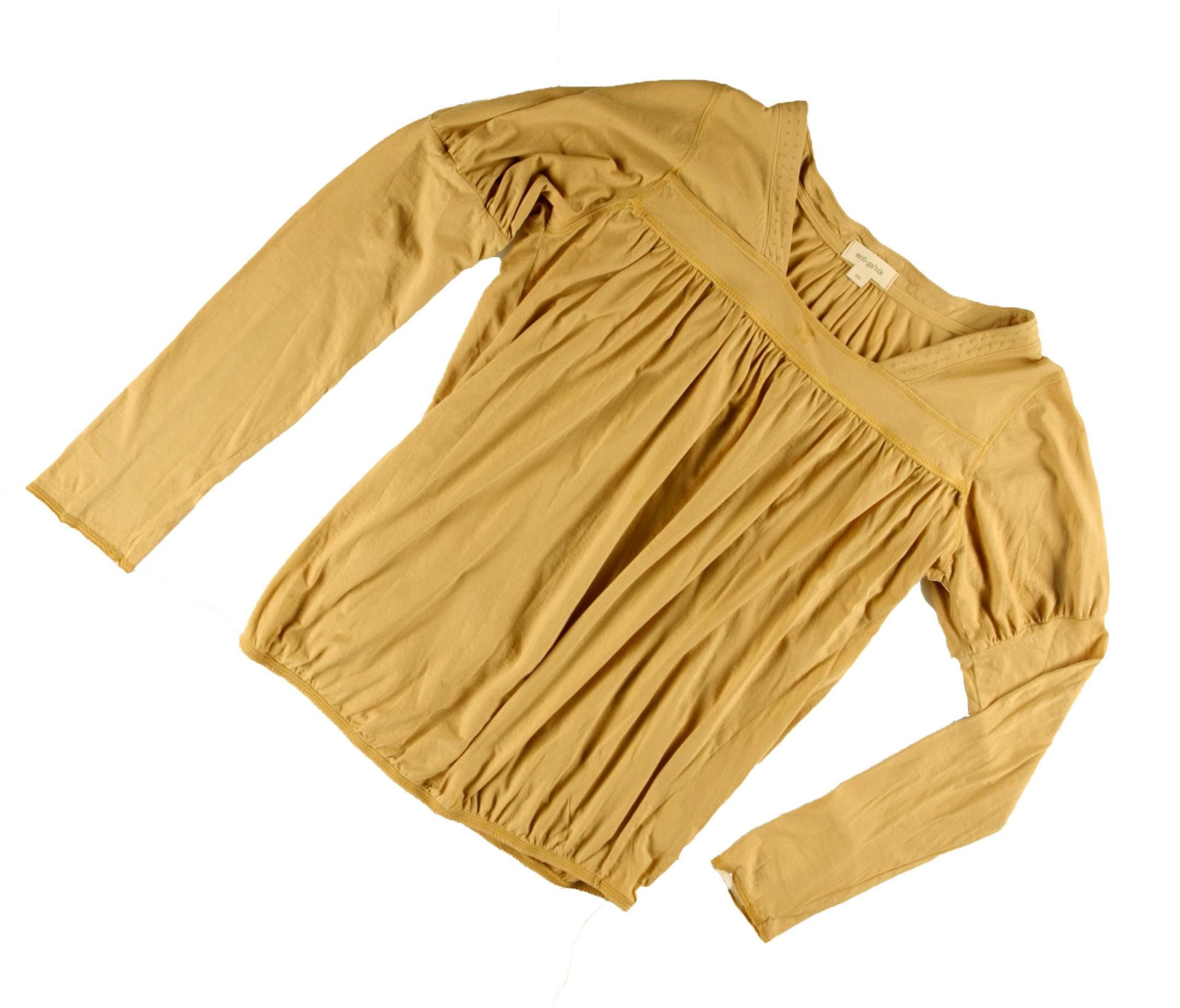
How green is my clothing? Let's state the not-so-obvious. It's always greener to buy used or not at all, so first consider if an item can be repaired, embellished or remade into a "new" garment. Consider shopping in consignment or thrift shops. When buying new, keep your eyes on the prize at the checkout, too. Tell the salesperson to skip the tissue (used to wrap clothing at better stores) and bring your own reusable shopping bag. Finally, 75 percent of the energy consumption in apparel is not in its manufacture or distribution but in the laundry room, so check the consumer care tips below.
Design
• What is the desired performance of the item?
• How durable is the item? The goal is 10 years or longer (underwear being an exception).
• Is the style/color too trendy to last longer than one or two seasons?
Materials
• Is the item made from natural materials such as organic cotton, wool, hemp, Tencel/rayon (made from wood pulp), soy or corn?
• Is the material made from virgin scraps (wool, cashmere) or from recycled materials?