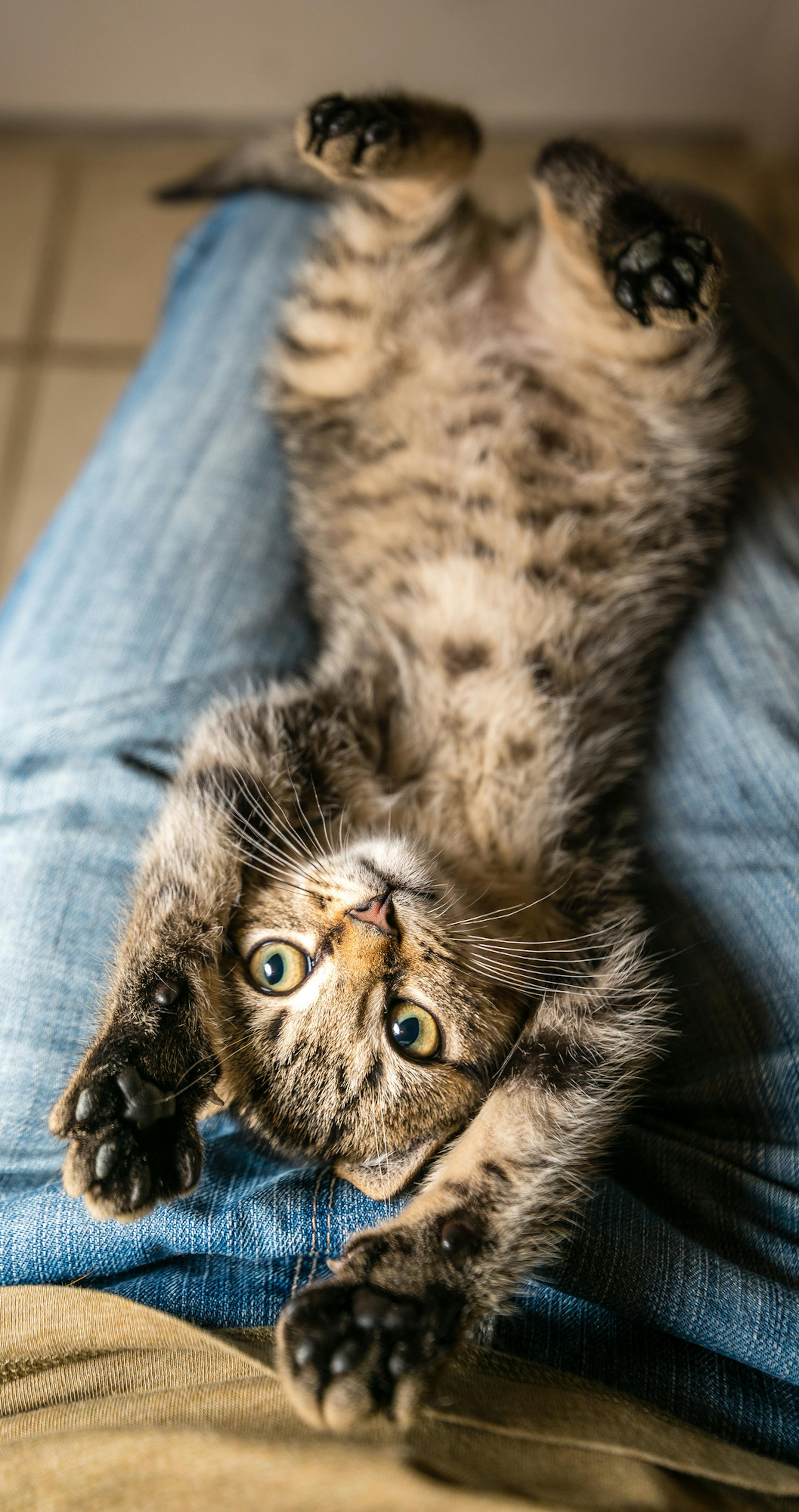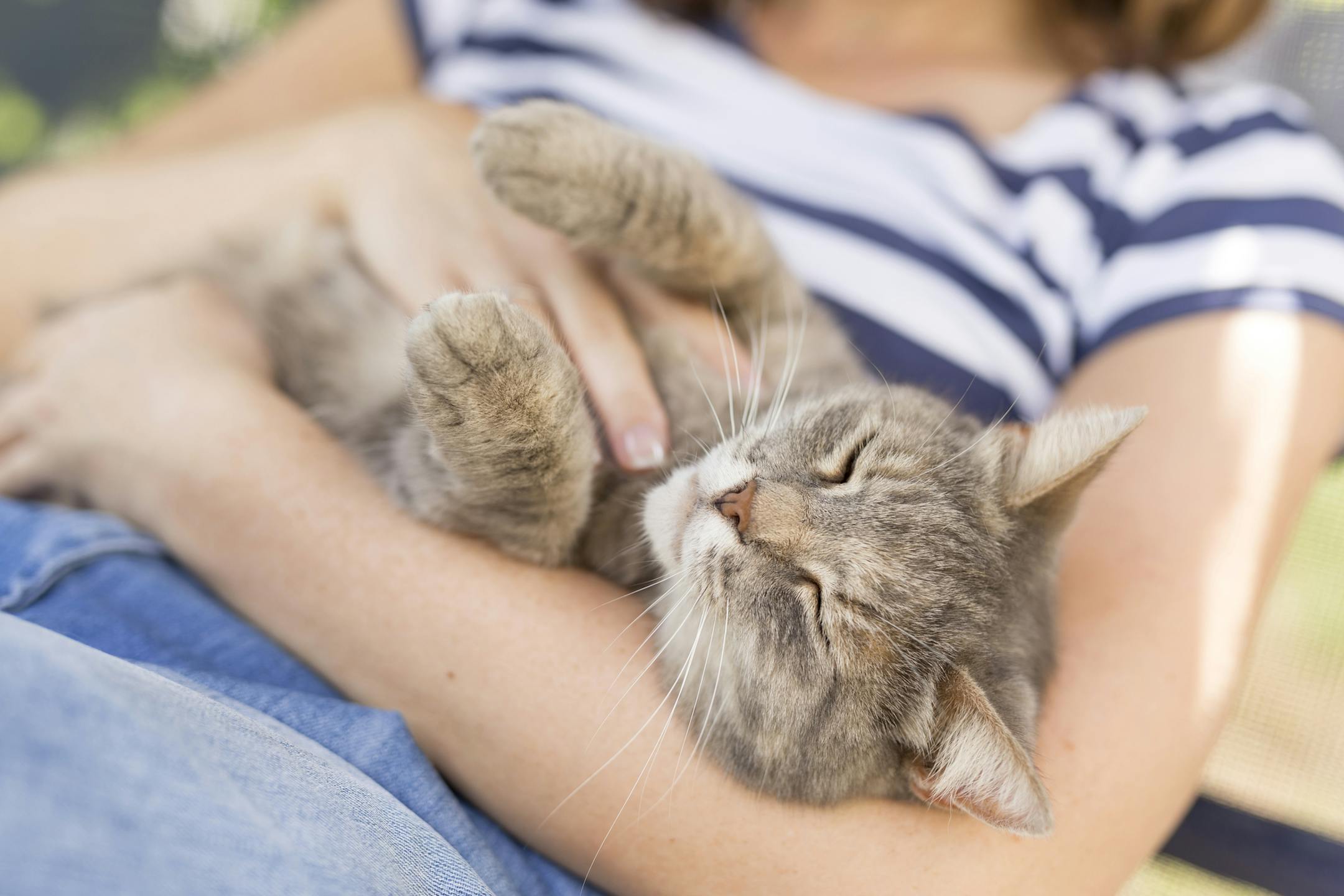
You have a new kitten, and you want her to grow up to be a friendly cat. You can take some steps to help that happen, but early environment and socialization experiences play a major role in how kittens respond to humans. Personality is also baked into their genes.
The primary kitten socialization period takes place between the ages of two weeks and nine weeks. Those aren't finite boundaries, says behavior specialist Debra F. Horwitz, one of the editors of the book "Decoding Your Cat," but the more positive experiences kittens have with humans and their environment during those early weeks can make a difference in how they interact with people as they grow from kitten to cat.
Genetics is another factor. Some kittens are just naturally more easygoing or more people-oriented, even if they didn't have an ideal socialization experience.
"That's why when you have feral kittens and you find them at three or four months, some of them are genetically easygoing and will learn to be with some people, and some of them are not," Horwitz says. "They will never be cuddle kitties. They may live around the house and eat [indoors] and use the litter box, but they're not particularly friendly."
Horwitz herself has two Devon rex cats from the same litter. She brought home one at eight weeks and one at 11 weeks. They are both friendly, but because they had different environments and experiences between the ages of eight and 11 weeks, they respond differently to certain things. Both are relaxed about being picked up or held by Horwitz's seven grandchildren, but one is more likely than the other to run away from strange things. And while Nikki, the first kitten, doesn't mind being petted or picked up, she doesn't seek it out the way Isabella does.
"Isabella's philosophy is, 'Any human body is a warm place to nap, and I'm getting on it,' " Horwitz says. It's like people, she adds. "Some people like to be hugged, and some people don't."
Depending on a kitten's birth environment, bringing one home at an earlier age can be beneficial as far as acclimating little cats to human handling and normal household sights and sounds, especially if they haven't encountered those things from the first. That can be true for the kitten from the frazzled next-door neighbor who is raising a litter in the garage, or one from a shelter without a foster-care program that gives kittens an early in-home experience with plenty of handling.
"You'll get individual variation, but the older they are when you take them into the house, on average, the more difficult it will be to get them used to people," Horwitz says.