

WASHINGTON — The United States is expected to hit a cap on how much money it can borrow this week, a development that will result in the Treasury Department employing what are known as "extraordinary measures" to ensure that the federal government has enough money to pay its bills.
The United States runs a budget deficit, which means it does not take in enough money through taxes and other revenue to fund its operations. As a result, the country sells Treasury debt to finance its operations — using borrowed money to fund military salaries, retiree benefits and interest payments to bondholders who own U.S. debt.
But Congress limits the amount of money the federal government can borrow — what's known as the "debt limit" — and the United States is expected to hit the current cap of $31.4 trillion Thursday.
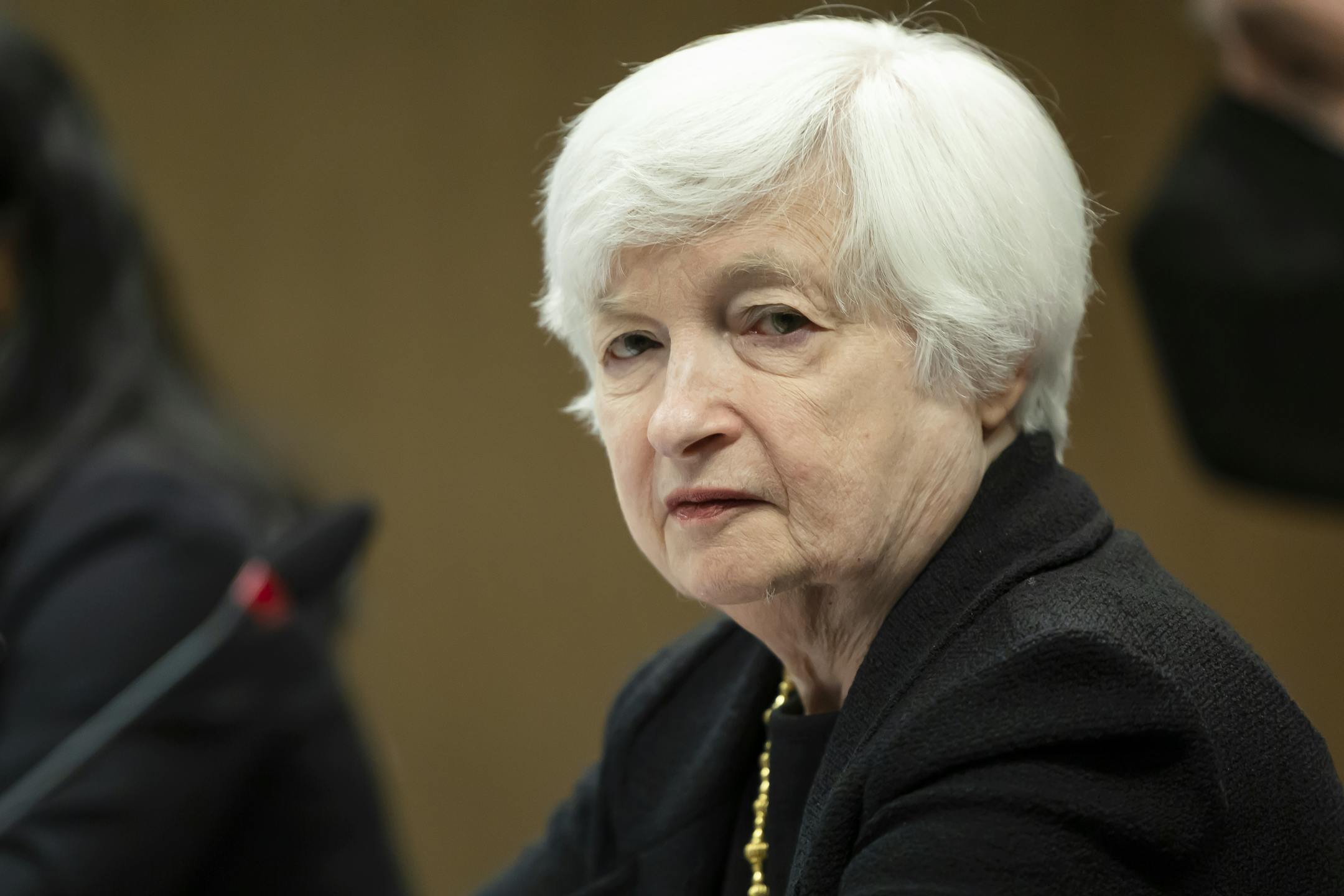
As a result, Treasury Secretary Janet Yellen told Congress last week that the administration would try to keep the country under that debt cap and able to finance its operations as long as possible by using "extraordinary measures."
While the term suggests that such tools are intended to be used on rare occasions, Treasury secretaries from both parties have recently had to rely on such accounting maneuvers to allow the government to continue its operations for limited periods.
What are extraordinary measures?
When the country comes close to — or hits — the statutory debt limit, the Treasury secretary can find ways to shift money around government accounts to remain under the borrowing cap, essentially buying time for Congress to raise the cap.
That includes seeking out ways to reduce what counts against the debt limit, such as suspending certain types of investments in savings plans for government workers and health plans for retired postal workers. The Treasury can also temporarily move money between government agencies and departments to make payments as they come due. And it can suspend the daily reinvestment of securities held by the Treasury's Exchange Stabilization Fund, a bucket of money that can buy and sell currencies and provide financing to foreign governments.


