
How Charlie Berens and other comics build fan bases via podcasts

Podcasts have become pivotal for comedians, whether you’re Joe Rogan or Joe Schmo.

The Minnesota Star Tribune
January 28, 2026 at 12:00PM
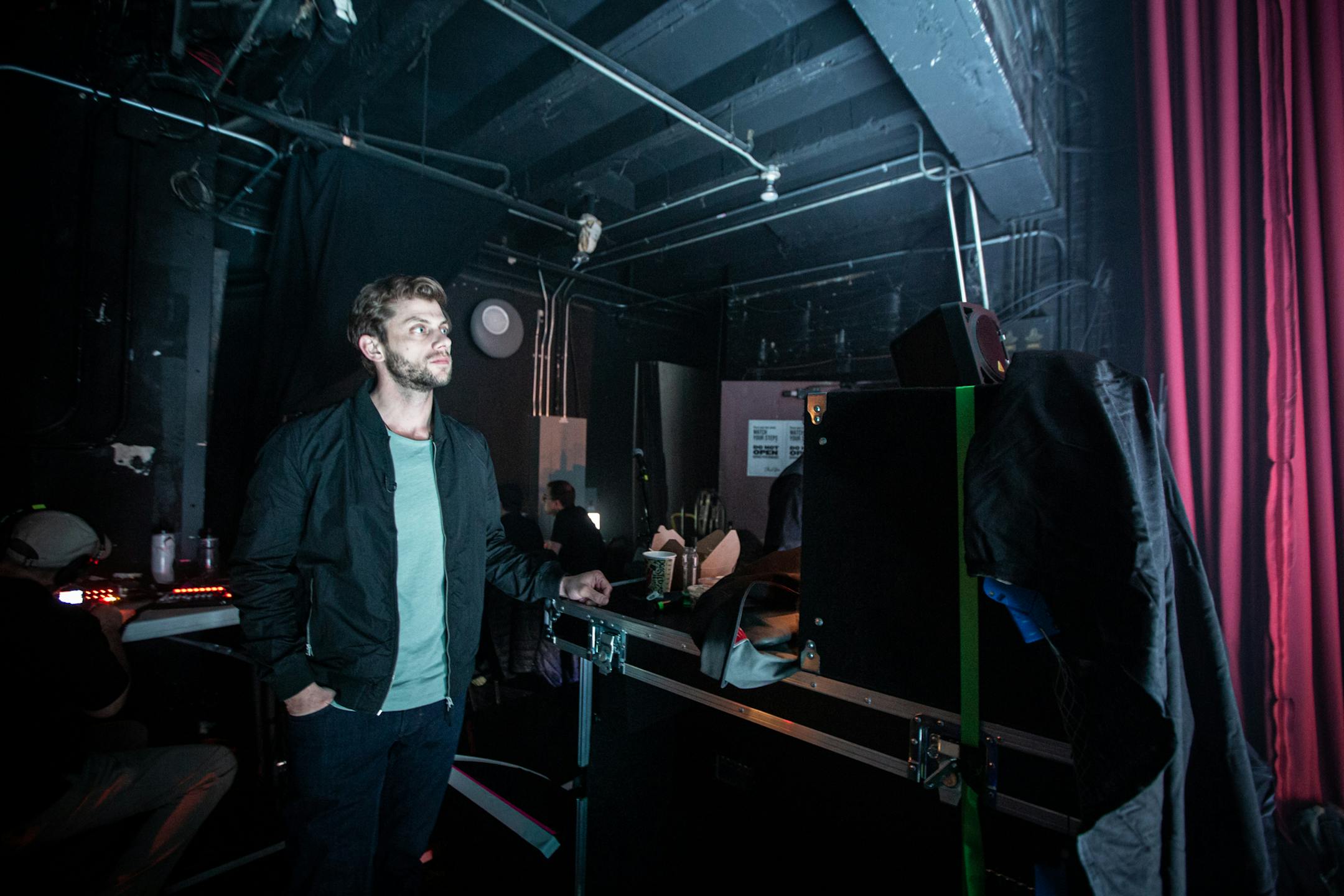
Charlie Berens waits backstage at the Riverside Theatre in Milwaukee. (Ty Helbach)

If you’re surprised that Charlie Berens has five nearly sold-out shows at the State Theatre at the end of this month, you’re underestimating the power of podcasts.

The Milwaukee-based comedian has two of them, which along with his video series, “Manitowoc Minute,” has dramatically raised his profile and popularity. It’s hard to know just how much of Berens’ success is because of “The Cripescast” and “Bellied Up” podcasts, but since he started juggling both in 2022, he’s sold more than 350,000 tickets in 113 cities.

It’s a sign that podcasts have taken the place of late-night talk shows and morning-zoo appearances as the smartest springboard to stardom.

“It’s really important that you have one,” said Minnesota-raised comic Jenny Zigrino, who will launch her second podcast later this year and regularly appears on her peers’ programs, sometimes as often as three times a day. “It’s the closest comedians will come to being rock stars.”

Over 580 million people globally listen to podcasts, according to Loopex Digital, with 55% of Americans tuning in on a monthly basis. Shows hosted by comedians filled up 10 of Spotify’s top 50 shows of 2025, with Joe Rogan and Theo Von leading the chart.

But you don’t have to have 11 million listeners per episode like Rogan does to reap benefits.

“It’s a way to help people fall in the love with you,” said Zigrino, who will perform at Sisyphus Brewing on Feb. 20 and 21. “I can hear the funniest joke in the world, but if I don’t like the person, I don’t care.”

Danny Frenkel, who helps comedians turn digital audiences into customers through his New York-based company Punchup.live, estimates that about 200 of his more than 330 clients have podcasts.

“You have to develop a relationship, even if it’s one-directional,” he said. “It used to be that you just needed good material and hope that some gatekeeper would hear it. But now you need to be opening those doors yourself. You need to approach comedy as much more of a business than as a creative art.”

For comics, it can be a more rewarding path than having to win over “The Tonight Show” booker or waking up at the crack of dawn to do morning radio.

Justin Severson, who hosts Acme Comedy Co.’s “No Laugh Track” podcast, said a lot has changed for the better since he was a producer on the “KQRS Morning Show.”

“So many comedians got bored with morning show radio,” said Severson, who estimates that over 50% of Acme’s headliners have podcasts. “You had hosts looking at outdated websites and scrolling Wikipedia right before interviews. But in our podcasts, the comics get to be themselves.”

Rayna Greenberg, who will be at Acme on Feb. 11, said “Girls Gotta Eat,” the podcast she does with Ashley Hesseltine, gave her the confidence to become a touring stand-up comedian.

“I had never set foot onstage before launching ‘Girls Gotta Eat,’ not even a middle-school talent show,” she said. “What allowed me to take the leap was knowing our audience and my co-host were wildly supportive and excited. Hundreds of shows later, I still feel that same love and energy from them every time.”

Greenberg, who has appeared on “The Drew Barrymore Show” and “The View,” said club audiences have more fun when they feel like they know the performer on a personal level.

“Podcasts create a level of intimacy other platforms don’t,” she said. “Listeners spend hours, sometimes years, with you and feel genuinely connected to your story and evolution.

“Seeing you live feels less like discovering a new performer and more like showing up to hang out with friends and laugh together in real life,” she added.

Frenkel doesn’t believe comedy podcasts have reached the saturation point. But listeners only have so many hours in a day. At some point, they’ll have to start deleting shows from their phones to make room for new favorites.

“There’s never been less barriers,” he said. “But there’s never been more people competing.”

about the writer

about the writer

Neal Justin

Critic / Reporter

Neal Justin is the pop-culture critic, covering how Minnesotans spend their entertainment time. He also reviews stand-up comedy. Justin previously served as TV and music critic for the paper. He is the co-founder of JCamp, a non-profit program for high-school journalists, and works on many fronts to further diversity in newsrooms.

See Moreicon

More from Things To Do

See More
card image
Sigga Ella/The New York Times

Some in the island’s tourism industry are worried that recent geopolitical attention will have a negative impact.

card image