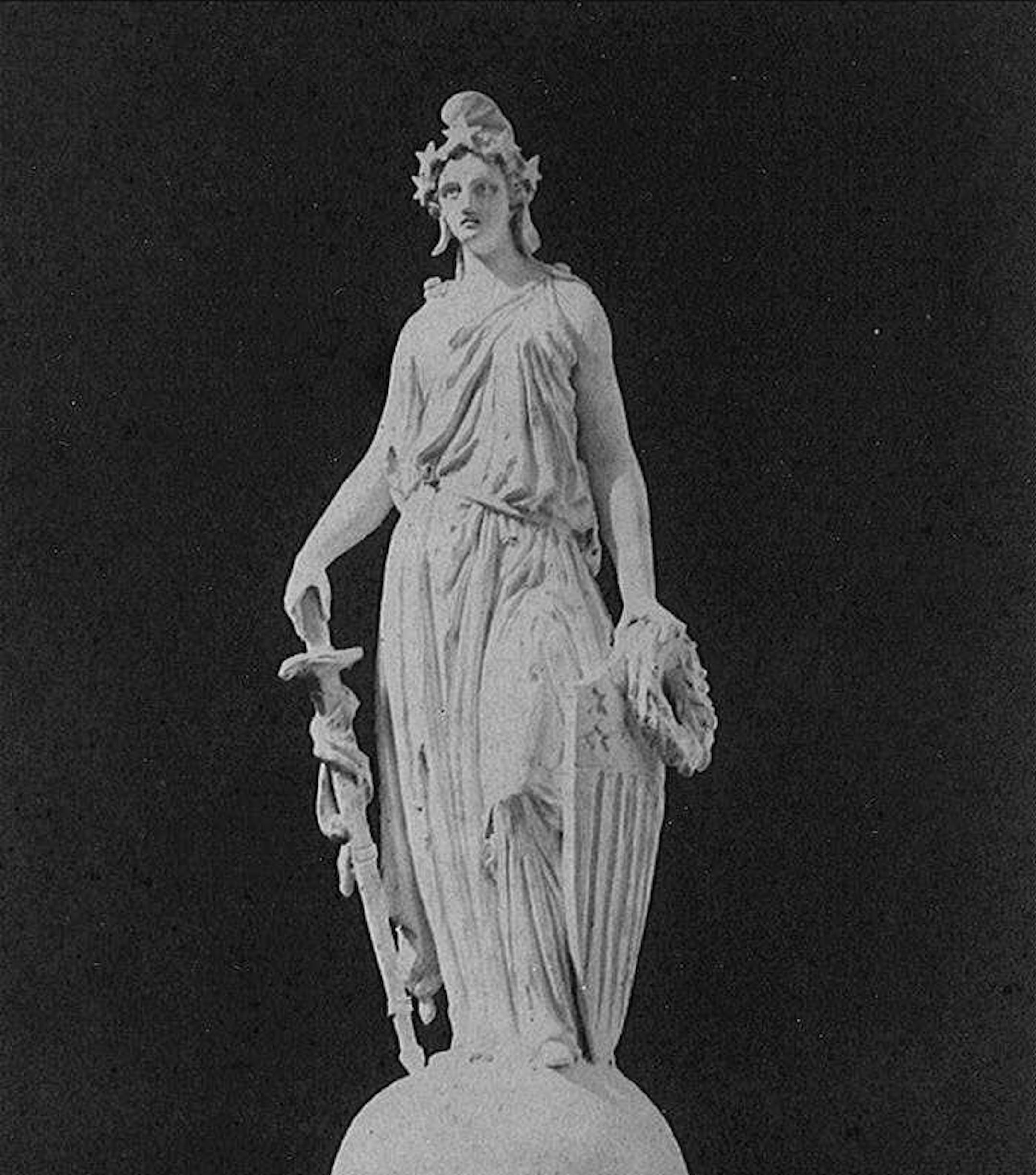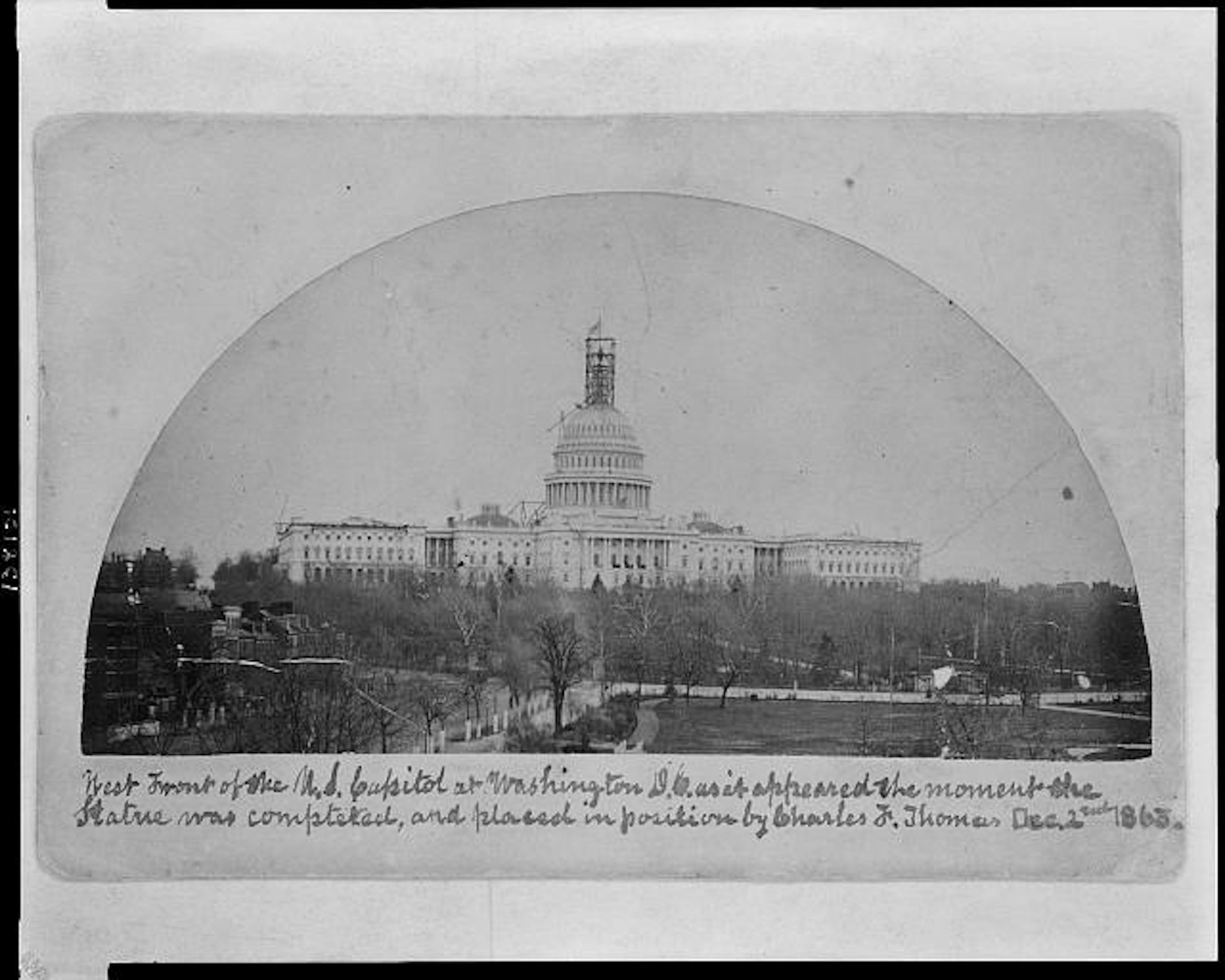
The U.S. Capitol is full of art: sculptures, portraits, murals depicting Founding Fathers, suffragist mothers and symbols of the nation's ideals. Perhaps the grandest of these, standing atop the Capitol dome like a national wedding-cake topper, is the bronze "Statue of Freedom."
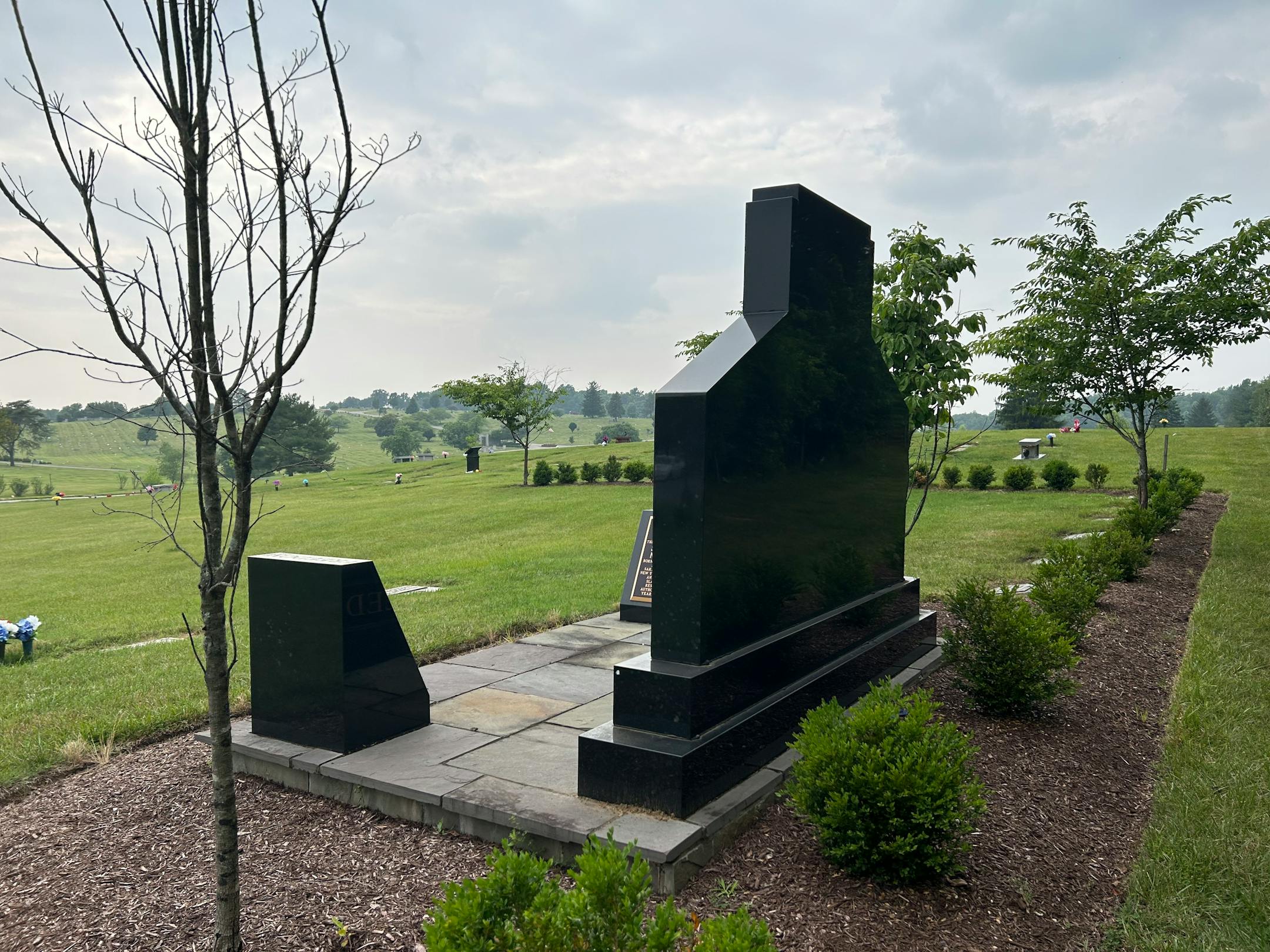
It wouldn't exist without the artistry and genius of an enslaved man named Philip Reed.
Almost nothing is known about Reed before he was purchased in 1839 in Charleston, S.C., when he was about 18 years old. Was he separated from his mother, or a spouse, or a child? Where did he get his last name, then spelled "Reid"? And how was he, as the man who purchased him later said, already a "first rate plasterer by trade"?
That purchaser, Clark Mills, was also a plasterer by trade and used his bride's dowry to "invest" in another set of skilled hands whom he didn't have to pay. The two men would work side by side for the next two decades, according to genealogist John Philip Colletta, who recently unearthed new details about Reed's life.
Mills also used Reed to fill in for him while he taught himself new skills - first, casting bronze busts from plaster life masks, and then sculpting marble. After Mills's artistic reputation grew in South Carolina, he landed the commission of a lifetime, a nine-foot bronze monument to Andrew Jackson that would stand in front of the White House. It is highly likely that Mills took Reed with him when he moved to Washington in 1848, according to Colletta, for when a sculptor friend visiting Mills's new studio on 15th Street and Pennsylvania Avenue remarked on how physically demanding some of the plasterwork must be, Mills replied that he "kept a n----- for that," the sculptor recalled in a letter to his wife.
The commission for the statue wasn't just artistic; a bronze monument of this size had never been attempted in the United States. The only foundries big enough and craftsmen experienced enough for the project were in Europe. Mills hired a German metalworker to help him build a foundry and teach him and his team how to make molds and heat the furnace properly to cast bronze. But the lessons were never finished; the German, apparently having some argument with Mills, left in a huff, Colletta wrote, leaving Mills and his team to experiment for a few years until they figured out the rest of the process for themselves. It's likely Reed was integral to this, because a few years later, Mills added "foundry worker" to the list of things at which Reed was "highly skilled."
The Jackson statue was unveiled to ecstatic fanfare in 1853, making Mills an overnight star, and rich. He soon acquired a 115-acre farm and country house in Northeast Washington, an even bigger studio and foundry, seven prize horses, and eight more enslaved people to maintain it all. (The WMATA Bus Bladensburg Division and Bad Axe Throwing now sit on the site.)
The Statue of Freedom on top of the Capitol didn't start out as a Clark Mills project. The commission went to Thomas Crawford, an American sculptor living in Italy. He drew plans for a classical-style goddess in flowing robes and wearing a "liberty cap," a cap used in ancient Rome to denote enslaved people who had been freed.