

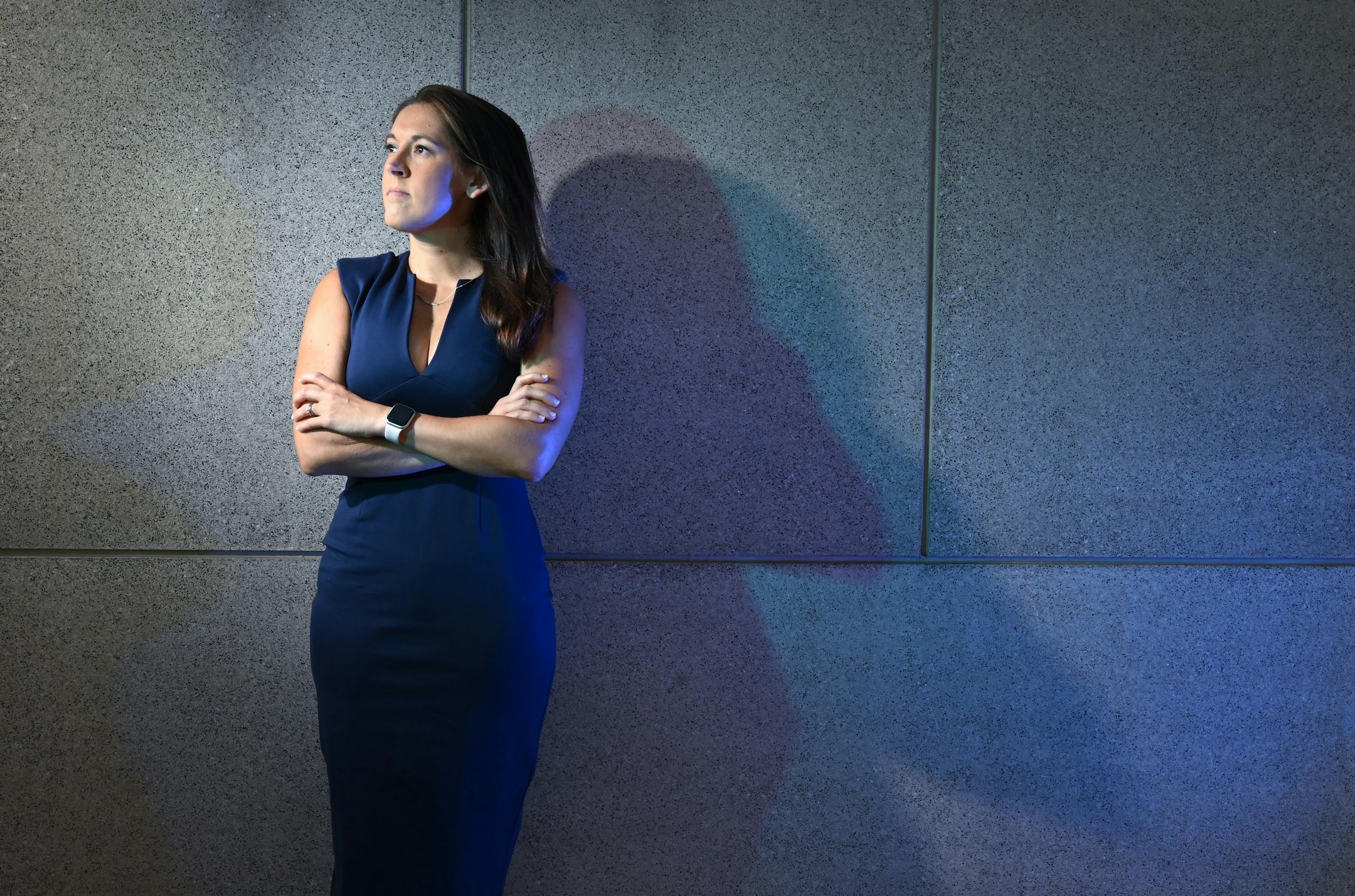
Only a few months into a new finance job, Sarah Feinberg felt stunned when a senior manager with a Northern Virginia-based defense contractor called federal auditors "too stupid" to notice overcharging, according to a federal complaint she filed.
Feinberg said she had warned the manager that the company, Booz Allen Hamilton, was losing tens of millions of dollars and, in her view, billing more than it should on U.S. government contracts to cover the losses.
During the ensuing nine months, she repeatedly raised concerns with senior executives, including internal compliance officials and the chief financial officer, according to the 37-page civil complaint she filed against Booz Allen in 2016 under the federal False Claims Act.
In July, the Justice Department, which investigated her complaint, announced that Booz Allen had agreed to pay $377 million - $209 million in restitution to the federal government and the rest in penalties - to settle the matter, one of the largest awards in a government procurement case in history.
Feinberg, who said she felt vindicated and was to receive nearly $70 million for making the case known to authorities, nevertheless could not help feeling doubts about whether justice was served.
Feinberg had filed a "qui tam" lawsuit in which whistleblowers are awarded a portion of any financial judgment or settlement as incentive to come forward with evidence of fraud against the U.S. government. While the system dates back to the Civil War, when authorities sought to root out corruption in the production of war materials, the number of whistleblowers has grown significantly since Congress strengthened the law in 1986.
According to federal data, 652 people filed qui tam complaints last year, and the Justice Department recovered $2.2 billion in false claims by companies from 351 of those cases, the second-highest number of cases ever. The largest awards have come in health care, procurement and mortgage-lending, federal officials said.
Legal analysts have questioned whether the system has been effective in delivering a strong enough message of deterrence to companies that operate within the federal government's vast contracting network. In civil cases, they say, companies are rarely required to admit liability, senior executives often do not face personal accountability, and investors typically react with a shrug, sometimes pushing stock prices higher because the legal cloud is lifted.

