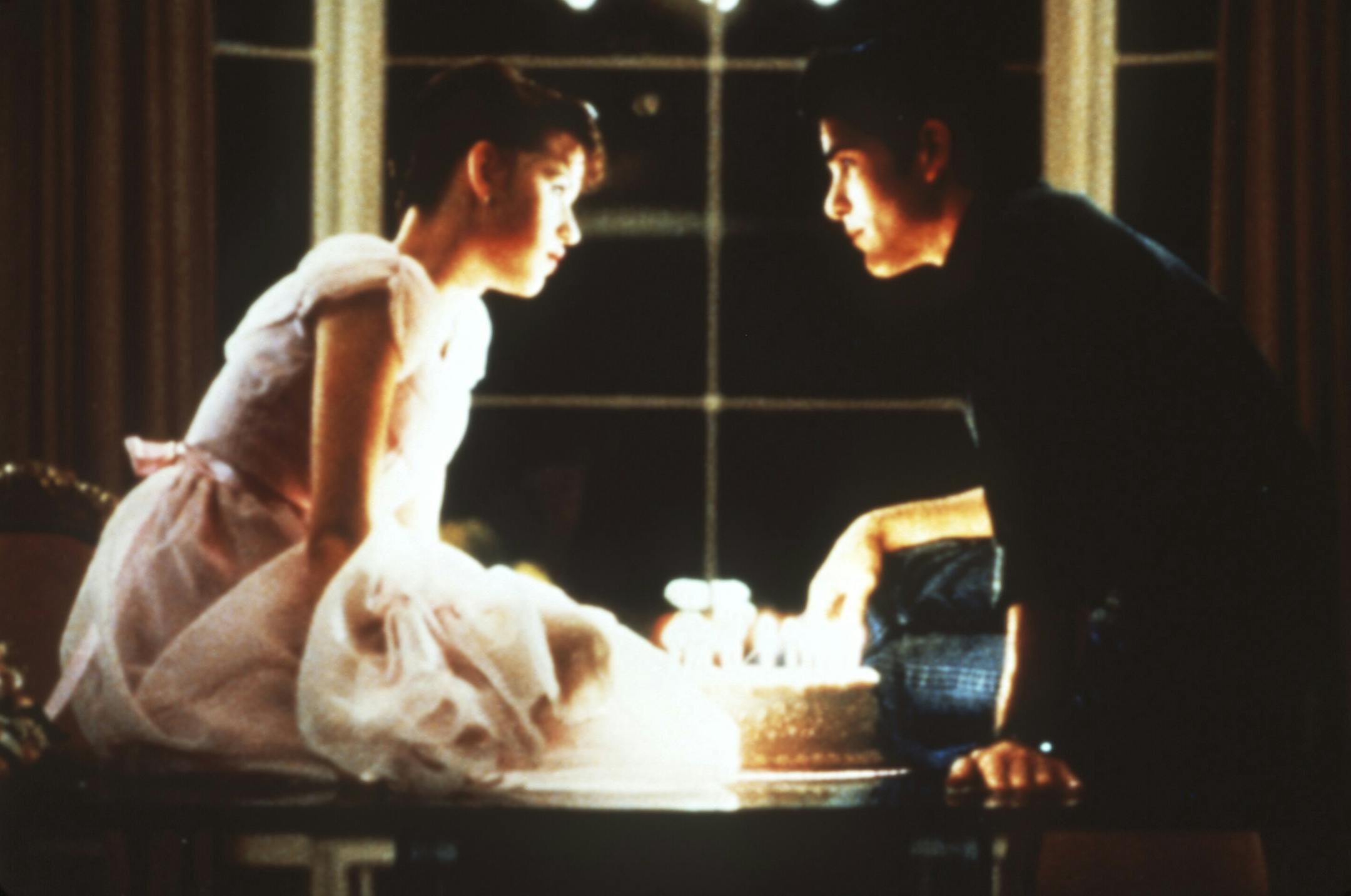
To grow up on Chicago's North Shore in the 1980s and '90s, Jason Diamond writes in his memoir, was to grow up in a world that looked an awful lot like a John Hughes movie.
"Sixteen Candles." "Planes, Trains and Automobiles." "The Breakfast Club." "Uncle Buck." "Ferris Bueller's Day Off." All were filmed in Chicago's wealthier suburbs to the north, where a discombobulated childhood like Diamond's can be hidden from view behind an upscale facade.
The turbulence of his parents' marriage and his difficult relationship with both takes up the first half of his book, "Searching for John Hughes: Or Everything I Thought I Needed to Know About Life I Learned From Watching '80s Movies" (304 pages, William Morrow Paperbacks).
In it, the stories he tells remind us we never know what goes on behind closed doors. In Diamond's case, that meant his parents divorcing when he was young. A verbally and physically abusive father. And a mother who informed him as a teenager that she was moving out of state and preferred he not come with her. Diamond was left homeless and fending for himself, couch-surfing through much of high school.
But the movies of John Hughes (who lived most of his adult life in the Chicago suburbs where he made his films) were instrumental in shaping Diamond's expectations.
"As a kid," he said, "I was watching these movies and thinking, 'This is what life is supposed to look like,' because if you live in any of those areas — going from Evanston, straight up north — you're going to recognize it."
Here he is writing about that sensation in his book:
"Hughes utilized the area in almost everything he directed. Scenes from 'Uncle Buck' take you from Evanston to the forest in Wheeling, the 'Home Alone' house is in Winnetka, and the Glencoe church was where he filmed the wedding scene in 'Sixteen Candles.' He was taking a lot of what I was seeing from car windows and giving it to the world in movie form. His movies offered up the sense that things were supposed to be normal where I grew up, that the road could get bumpy but ultimately it would get better. It was boring, and that was just fine. That's why my parents moved out there in the first place; they dreamed of normalcy but found out it takes more than just the proper setting. Things didn't turn out as planned, but when re-watching any Hughes movie, I can still see why they thought this was the place where they wanted to make things work."