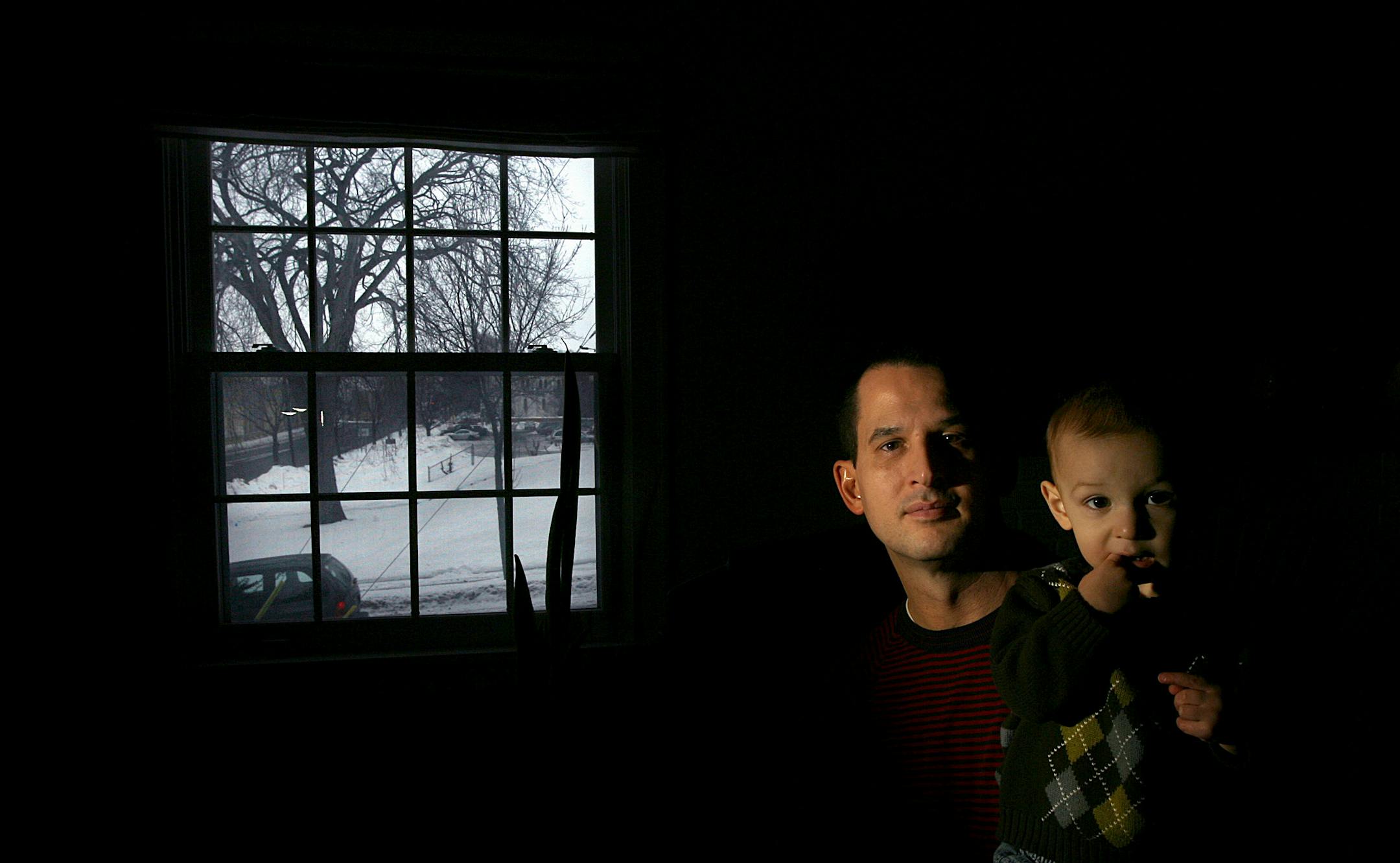
Harry Kaiser is active in social-justice issues at his church, so he's not entirely comfortable opposing the housing project that's planned across the street from his south Minneapolis house.
"It's really tough for me to come out against affordable housing," he said.
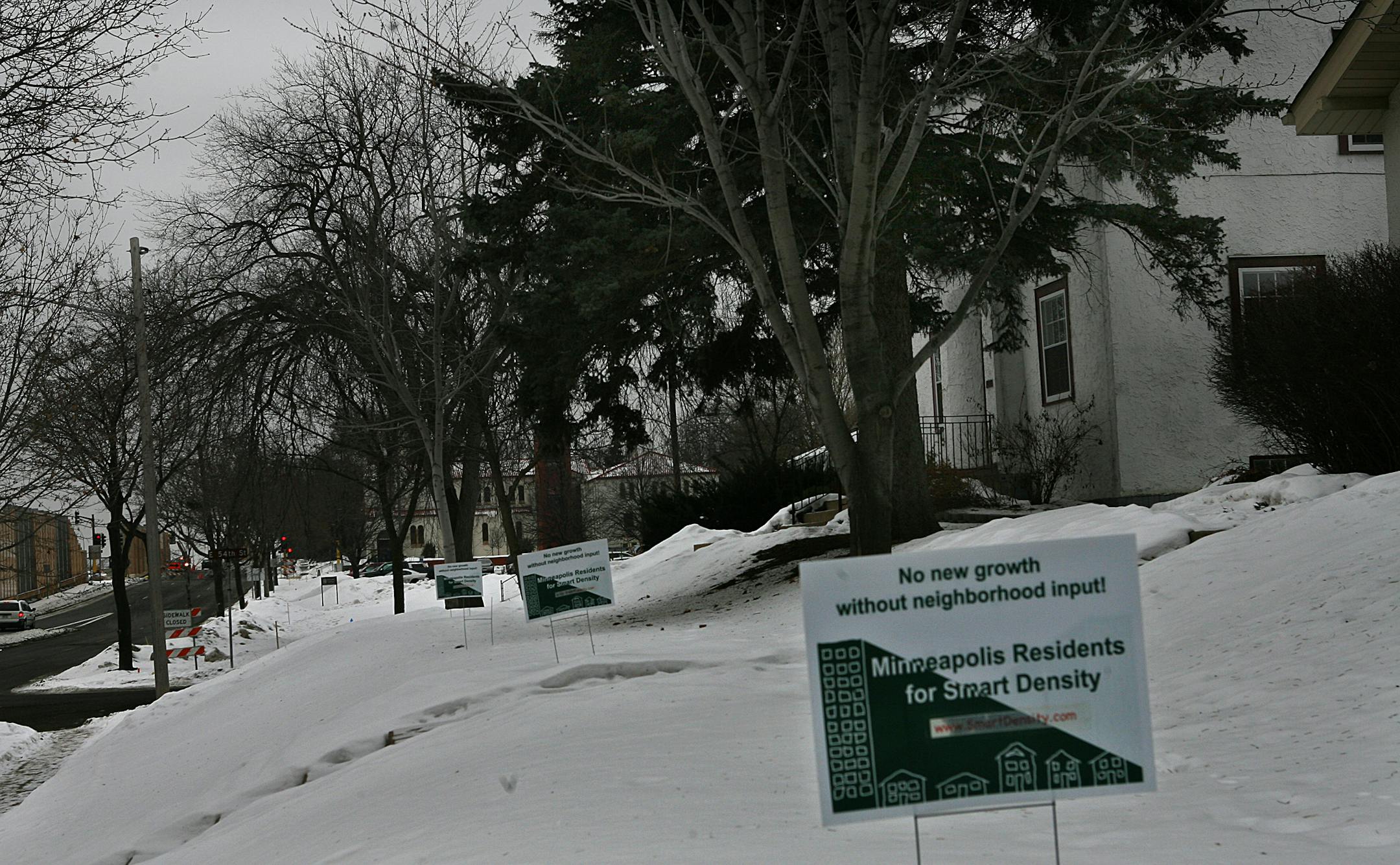
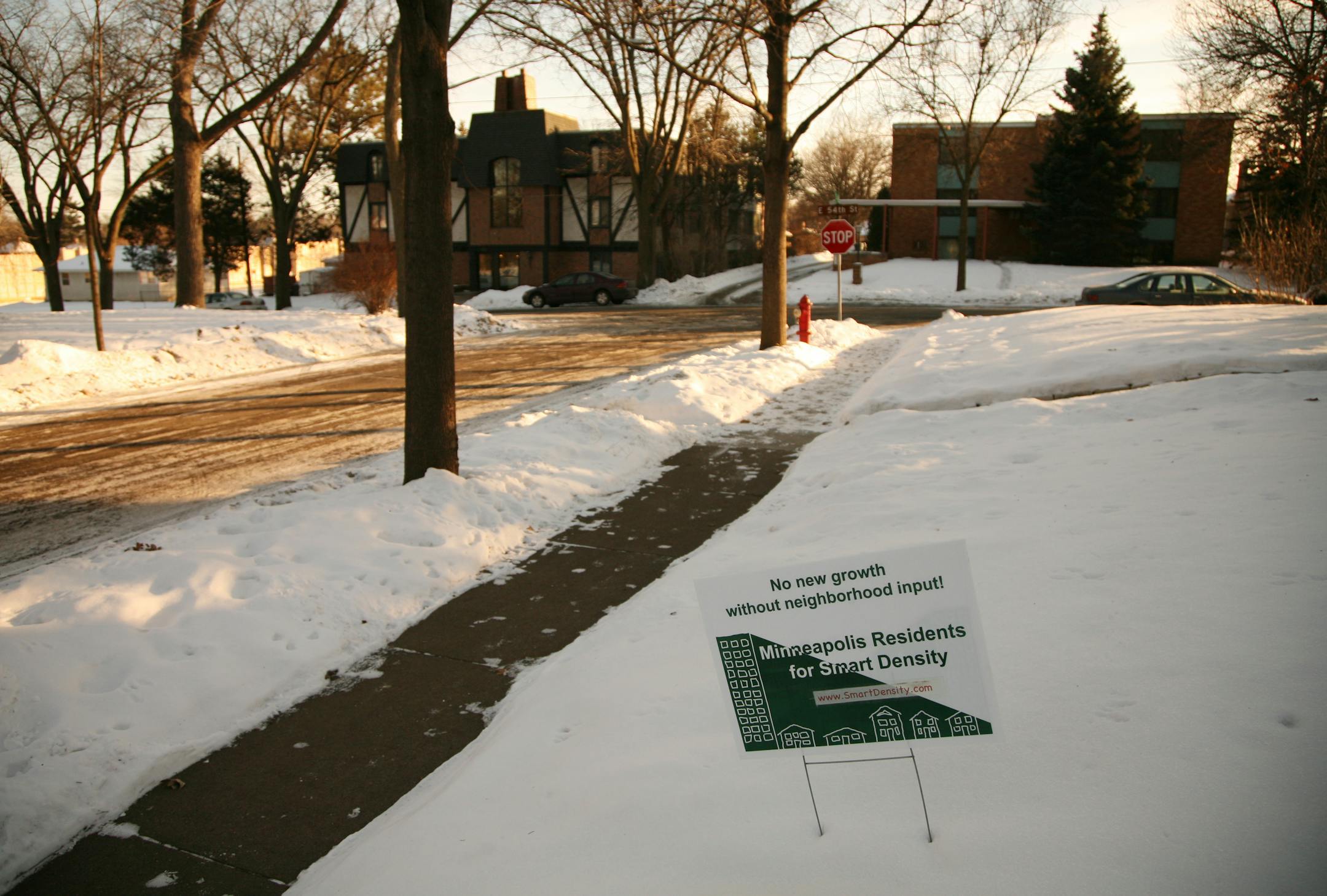
But the 30 apartments planned for a back lot of Mayflower Community Congregational Church don't fit the neighborhood, he and several dozen Tangletown neighbors contend. They've launched a website, installed lawn signs, hired a planning consultant and appealed to the City Council, saying the project has too many units and turns its back on neighbors.
Nevertheless, the city approved the project, making it one of a growing number of affordable housing projects breaking ground in middle-class areas of the city.
That's a turnaround from a few years back, when a majority of new units were built in areas of concentrated poverty and minority residency.
As recently as 2004, for example, more than two-thirds of new housing subsidized for people of lower incomes by a Minneapolis trust fund was built in core neighborhoods.
By last year, more than four of every five new units subsidized by the trust fund -- a total of almost 400 units -- were planned for middle-class areas. A similar pattern held true for new low-income units awarded federal tax credits.
Bonuses attract developers