

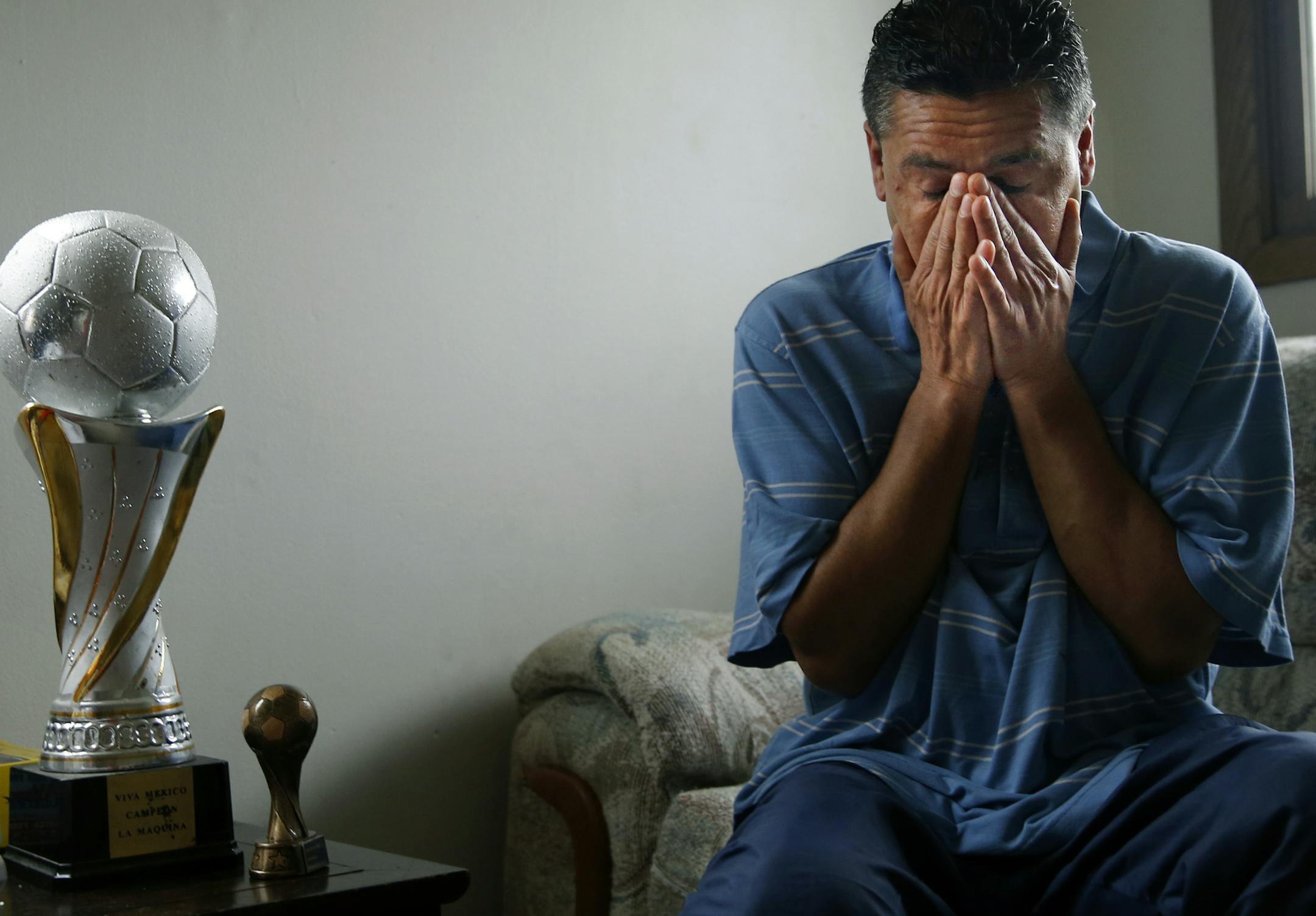
Eduardo Romero Sanchez thought he had one last chance to save his house. He paid a man $1,800 after he heard a radio ad saying he could modify his mortgage to eliminate soaring monthly payments.
The mortgage rescue never happened. Sanchez lost his four-bedroom Bloomington home to foreclosure in 2011. After nine years as a homeowner, he was a renter once again.
"It was very sad, especially given everything that I lost along the way," Sanchez said an interview in Spanish. "The only solace I had was knowing that I wasn't the only person who was taken advantage of."
Sanchez's plight reflects how thousands of Latinos and other minorities are faring in Minnesota's housing market. Despite the economic recovery, 38 percent of minorities owned a home in Minnesota in 2011, compared to 77.5 percent of whites, according to census data analyzed by the Amherst H. Wilder Foundation. Census figures show Minnesota's gap in homeownership between whites and communities of color is the worst in the 50 states.
State anti-discrimination officials and civil rights advocates say the drop in homeownership among minorities is the consequence of bad lending practices during the housing boom that made them especially vulnerable to foreclosure. Many of those practices have been outlawed, but minority homeownership hasn't bounced back because many of those affected have also lost jobs or fallen victim to mortgage modification schemes.
University of Minnesota researchers have also singled out racial discrimination. Two years ago they recommended that "financial institutions, local governments and decisionmakers should be held accountable for enforcing anti-discrimination policies in lending and foreclosure practices."
Several major banks strongly deny that they discriminate against minority borrowers. Teri Charest, a spokeswoman for Minneapolis-based U.S. Bank, said the company judges borrowers solely "and consistently on financial criteria and not on race."
But Scott Gray, Minneapolis Urban League president, said the problem is "very real."


