
Housing market's ills affect student builders, too

A half-finished house at Apple Valley High School -- sold at a loss on eBay -- is a case in point.

May 21, 2010 at 2:44AM
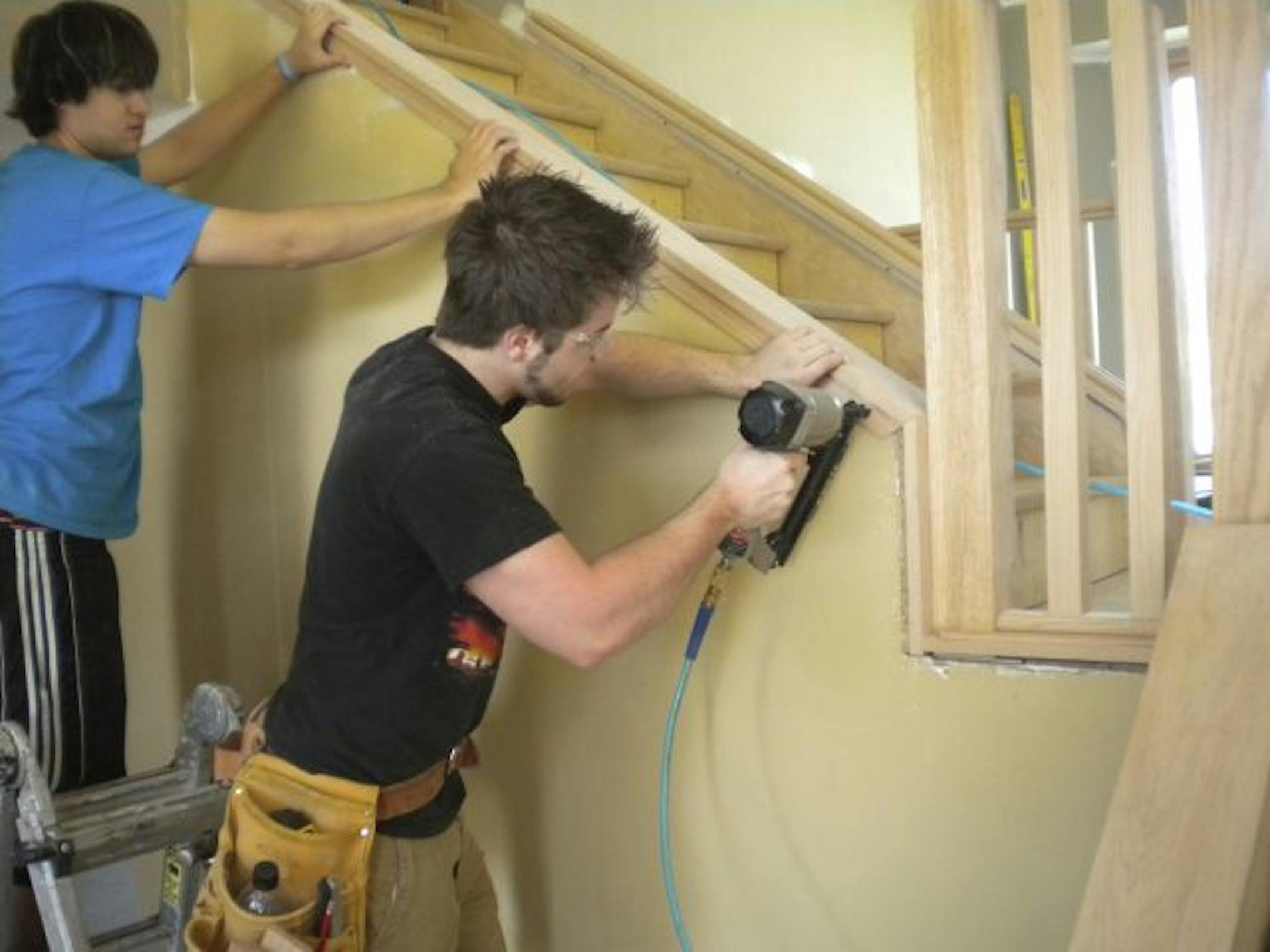
Eleventh-graders Braedon Novak, left, and Andrew Welch used a nail gun to install oak trim on a staircase of the house they are building for a class at Spring Lake Park High School.
Eleventh-graders Braedon Novak, left, and Andrew Welch used a nail gun to install oak trim on a staircase of the house they are building for a class at Spring Lake Park High School. (Star Tribune/The Minnesota Star Tribune)

The house sits on blocks in the parking lot of Apple Valley High School, but it has the bones of a lovely little home.

It's a rambler with three bedrooms, and the students who built it this year learned framing, roofing and much more as they worked.

But the house is half-built, and the construction trades class that started it won't see it through to completion next year. Work stopped this spring when school officials decided not to offer the course in the fall, and the Rosemount-Apple Valley-Eagan district sold the house at a loss on eBay this week.

It's one of several metro-area examples of house-building programs, praised for the hands-on experience they give students, that are also giving kids up-close experience with the dismal housing market.

"Because there's so many out there due to the foreclosures, it [has become] harder and harder for schools to move a house," said Tim Nestrud, a Blaine High School teacher who oversees construction of one student-built home a year.

The Apple Valley class is primarily a victim of low enrollment, but district budget cuts and the housing market helped seal its fate, according to Principal Steve Degenaar. "It's time to put this course on a shelf and let the economy straighten out," he said.

Work on the house stopped in March because officials didn't want to invest more money once they decided to sell it half-built, said teacher Jerrod Nelson.

That left students unable to work on their major project. "I like to finish things, so it's kind of disappointing," said Brett Fredrichs, a junior in the class.
The district spent $18,000 on materials for the house, but with a bid of $15,000, Lakeville house mover Paul Otting became its prospective owner on Thursday.

"It's a good house. It's kind of a shame they had to close the program," said Otting, who was standing inside the house when a reporter reached him by phone shortly after bidding ended. Otting said he plans to finish the house and resell it.

'I am always nervous'

At Blaine High, a bidder who didn't get last year's house is lined up to buy the current one, Nestrud said. Still, when it comes time to sell, "I am always nervous. Some years you will have several people bidding on it, and some years you'll be fortunate to have one."

Schools often pay for materials in a house, then recoup costs when it's sold. But in an era of tight budgets, it's harder for schools to justify the risk when a house could sell at a loss or sit on the market for months, several teachers said.

"If you're stuck with a house, you just cannot start another one," Nestrud said.

Budget pressures, low enrollment and the housing market have prompted school officials in Spring Lake Park to review the viability of a high school class in which students have built homes on a two-year cycle. Options include keeping the course, cutting it or suspending it for a year, said principal Frank Herman.

At Milaca High School, school officials switched from an auction to sealed bids in an attempt to drum up interest in their student-built houses, said building trades instructor Tony Vesledahl.

A few years ago, "We would pull some pretty good profits," he said, but it took months to sell one recent house.

"We sat on it, and everybody comes in and tries to just low-ball it to death," he said. "That's not our game. We can't lose money on it."

In 2008, a house built in Hugo by students in the Northeast Metro 916 Intermediate School District sold at a loss after sitting on the market for months, said instructor Tom Spehn.

The district's educational foundation used to pay construction costs, but "at that point, we had to find another way," said Deanne DeGraff, principal of the district's Career and Technical Center.

Switch to neighborhood work

The students now work with the city of North St. Paul, which uses the program to revitalize neighborhoods with condemned property. The city pays costs such as demolition and materials, reimbursing itself from the proceeds of the new home's sale, she said.

"If we didn't have that city partnership, we would not be able to do this," DeGraff said.

When the Apple Valley program's previous home was sold in 2008, "We lost money ... on what I thought was our nicest house," Degenaar said. That house sold for $28,000, compared to one that went for $61,000 the year before.

Even so, the school would have kept the course this fall if enough students had signed up. But only 13 students did so -- far fewer than the 26 or 27 needed, he said.

A year or two ago, the district might have offered the course anyway, but with a $15 million budget-patching plan approved for next year alone, "those days have really come and gone now," he said.

Enrollment is also down in Spehn's courses. "Industry does drive education," he said. "These students are looking at, 'Where can I get a job today?'"

Sarah Lemagie • 952-882-9016

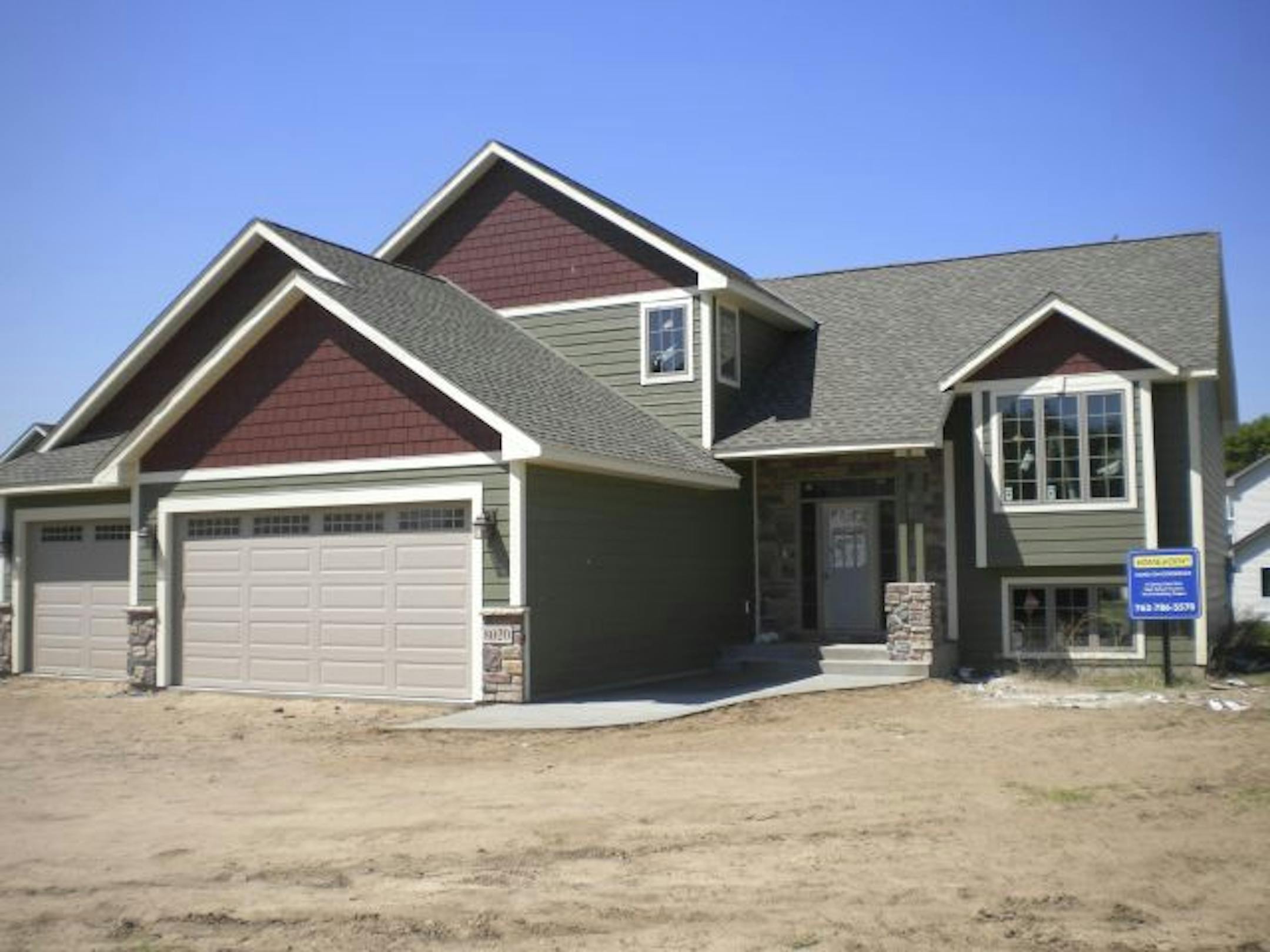
Spring Lake Park High School is reviewing the viability of its building program. Spring Lake Park students built the house.
Spring Lake Park High School is reviewing the viability of its building program. Spring Lake Park students built the house. (Star Tribune/The Minnesota Star Tribune)
about the writer

about the writer

SARAH LEMAGIE, Star Tribune