

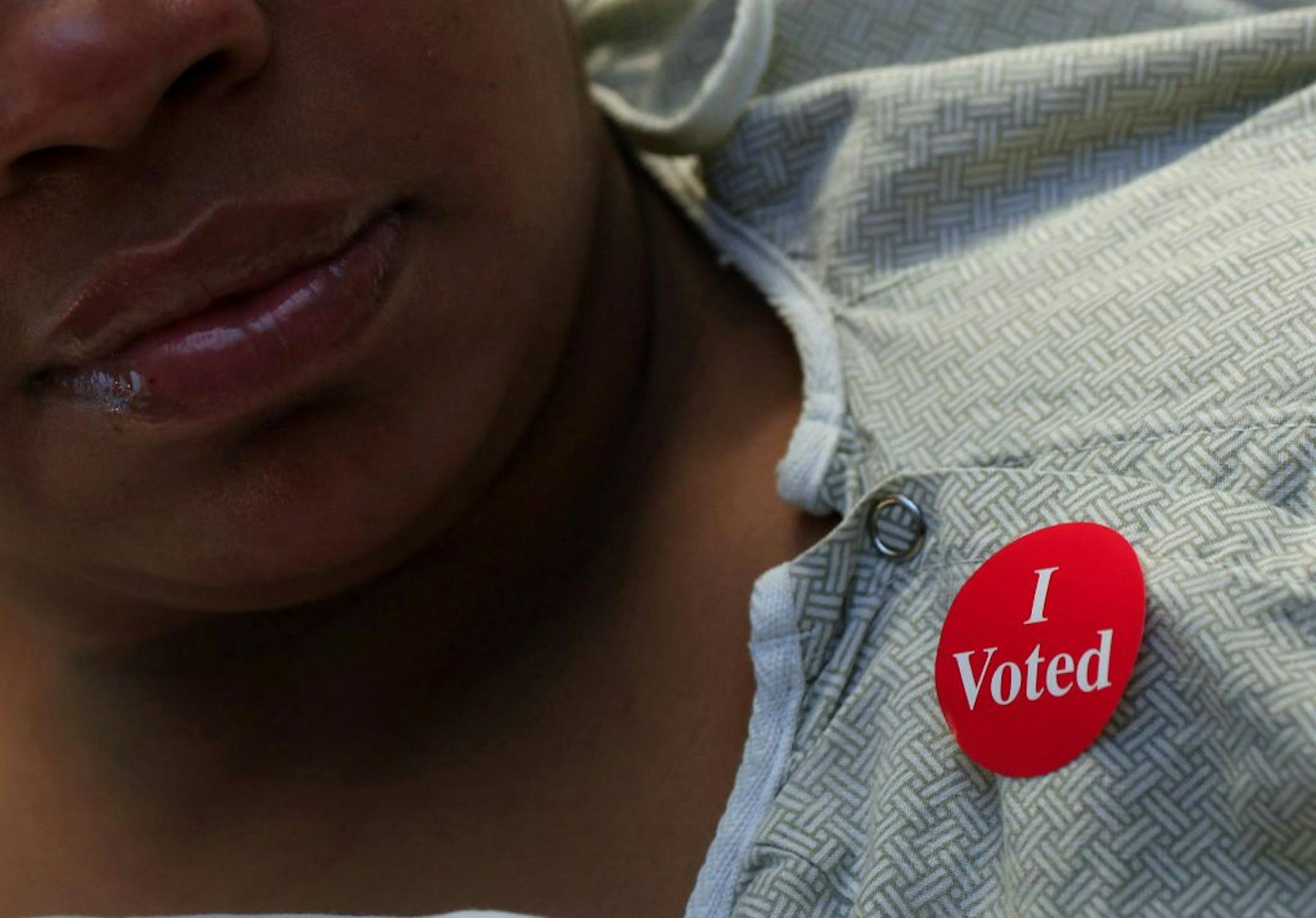
Comedian Robin Williams once said living in Canada was like renting an apartment upstairs from a really good party. Minnesota and most other states could say that about their role in presidential elections.
We can hear the laughter and feel the thumping music, but we're not invited to join in the revelry.
Enter a determined national group of party-crashers known as the National Popular Vote, currently making their case at the Minnesota Legislature. They want to spread the presidential campaign festivities around and promote democracy in the nation that claims to be a beacon for the world by having the president, the world's most powerful leader, elected by a majority of the roughly 129 million U.S. voters.
"The purpose of this bill is to make every vote equal in the United States," John Koza, chair of the National Popular Vote organization, told a Minnesota Senate subcommittee recently. "We want to right-size the influence of battleground states," added the group's lobbyist, Pat Rosensteil. "We want to make every voter in every state relevant in every election."
They argue that the U.S. would be unlikely to approve of an emerging democracy that elected its president as we do — with separate votes in 50 states and the District of Columbia, and the actual election by partisan members of the Electoral College, who are bound not by the national results but by the outcome in their own states.
The result of the Electoral College system, reformers say, is that the lower national vote-getter can win the presidency (such as George W. Bush did in 2000) and campaigning and policymaking are aimed at "battleground" states.
A study by the electoral reform group FairVote, which supports the National Popular Vote plan, said only 12 states drew presidential campaign visits after the national political conventions in 2012. And those states drew 99.6 percent of television campaign spending.
'Spectator states'
The Big Three — Florida, Ohio and Virginia — received more than half of the advertising money and nearly three-fifths of all campaign events.
The report referred to the rest of us as "spectator states." Reformers say the winner-take-all rule is the reason.


