Fasting -- without food or drink -- from dawn to sunset. Late night prayers. Waking after just a few hours of sleep.
For Muslims, Ramadan has returned. And this year the sacred monthlong observance, which begins after sundown Thursday, occurs during some of the longest and hottest days of the year.
For the 150,000 or so Muslims in Minnesota, that will mean fasting nearly 16 hours each day, offering prayers around midnight, then rising as early as 3 a.m. to consume big breakfasts so they have enough energy to get through the day.
"It's definitely challenging," said Wafa Qureshi, a Muslim and dentist who works in St. Paul. "I'm not going to lie and say it's all easy."
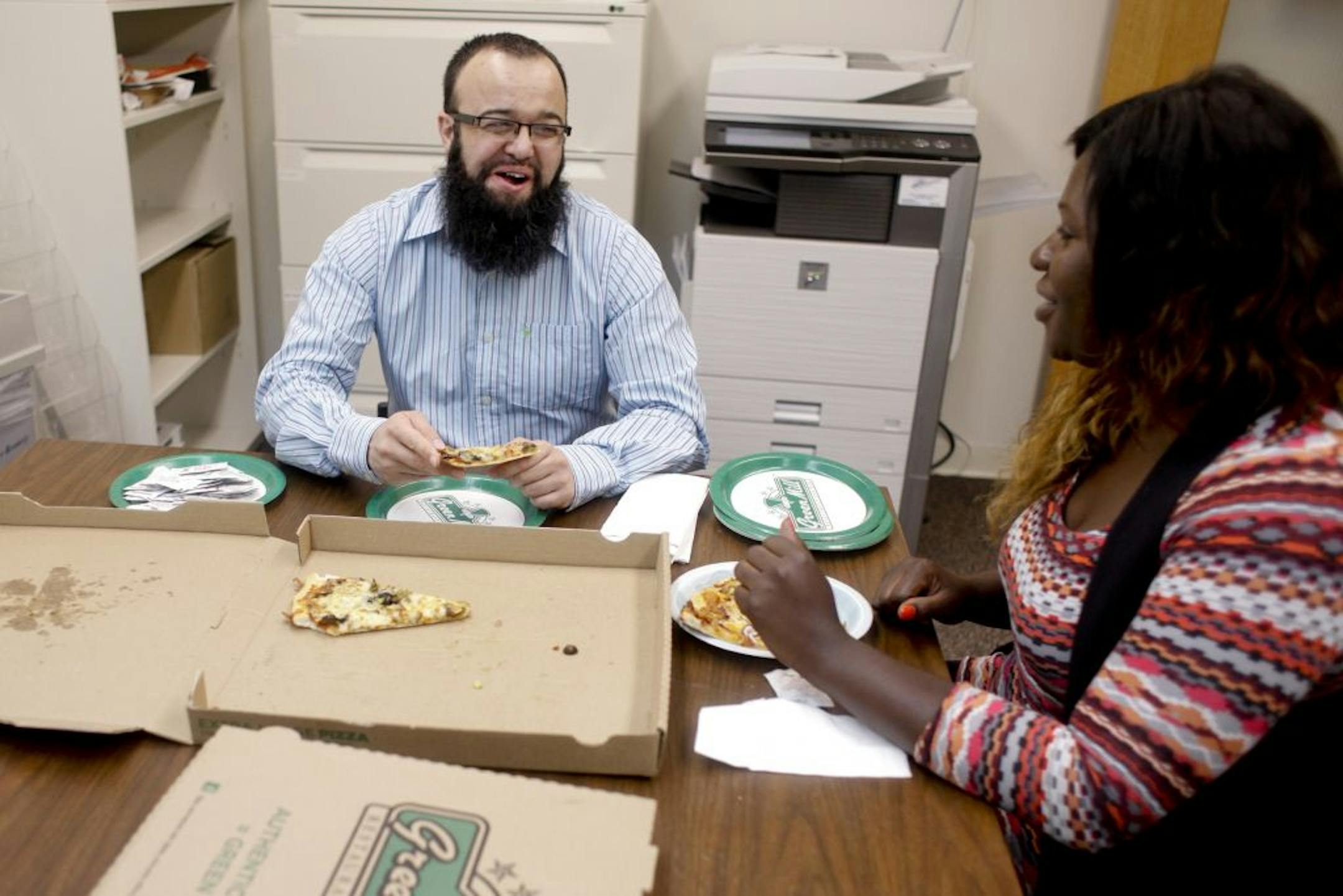
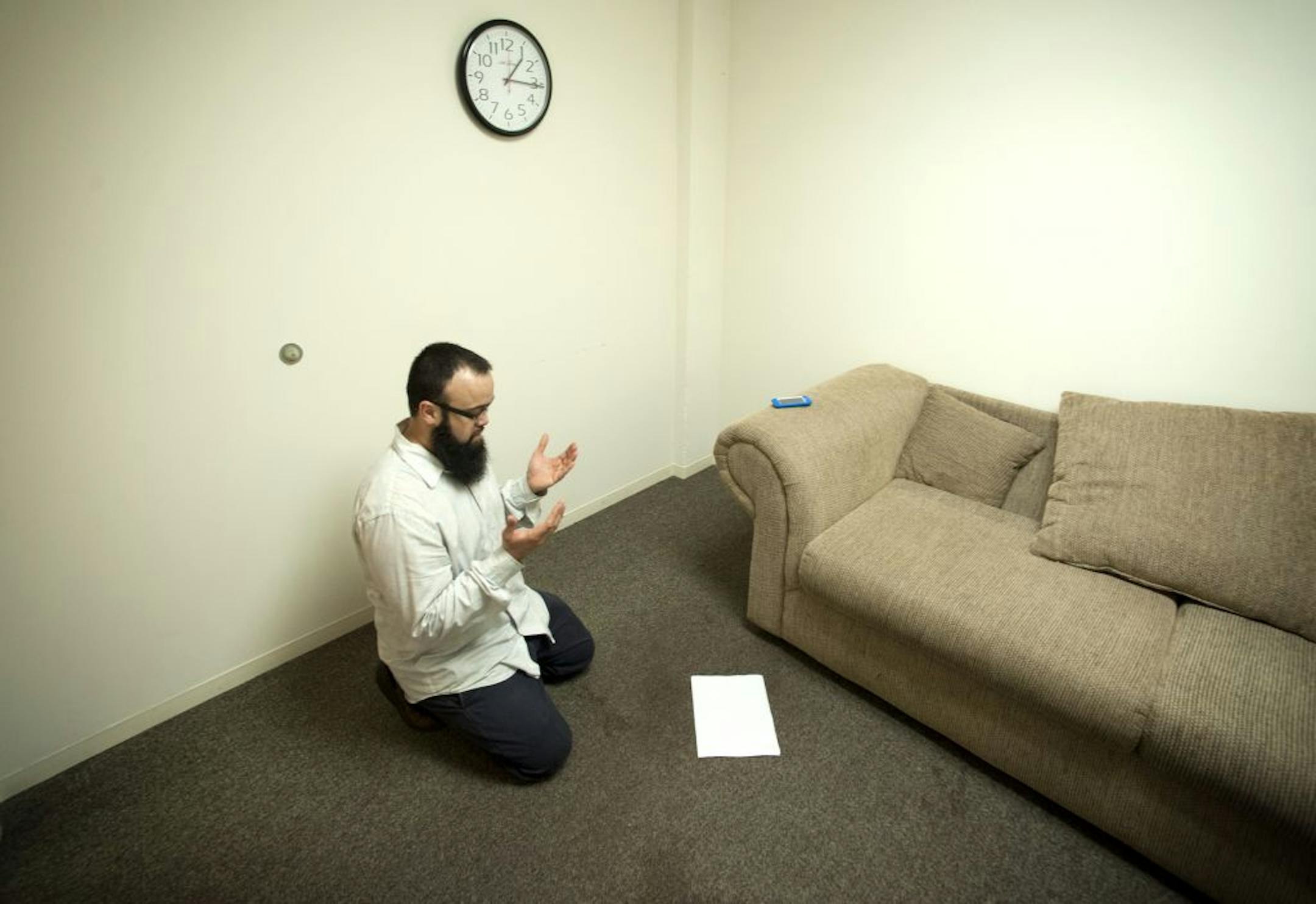
As a result, many businesses, schools and other institutions are making accommodations for employees and students who observe Ramadan: Some let Muslims work through lunch hours, allowing them to arrive at work later or leave early. Many also carve out time and provide space for daily prayers. Others hold office parties either before or after the holy month so Muslims aren't excluded.
A chance to break fast
In addition, some manufacturers allow Muslims to take longer breaks around 8 or 9 p.m., when the sun goes down, so they can break fast.
This year, Qureshi's employer said she could arrive at work about an hour and a half later than usual during Ramadan so she gets extra sleep each morning.