(The Minnesota Star Tribune)
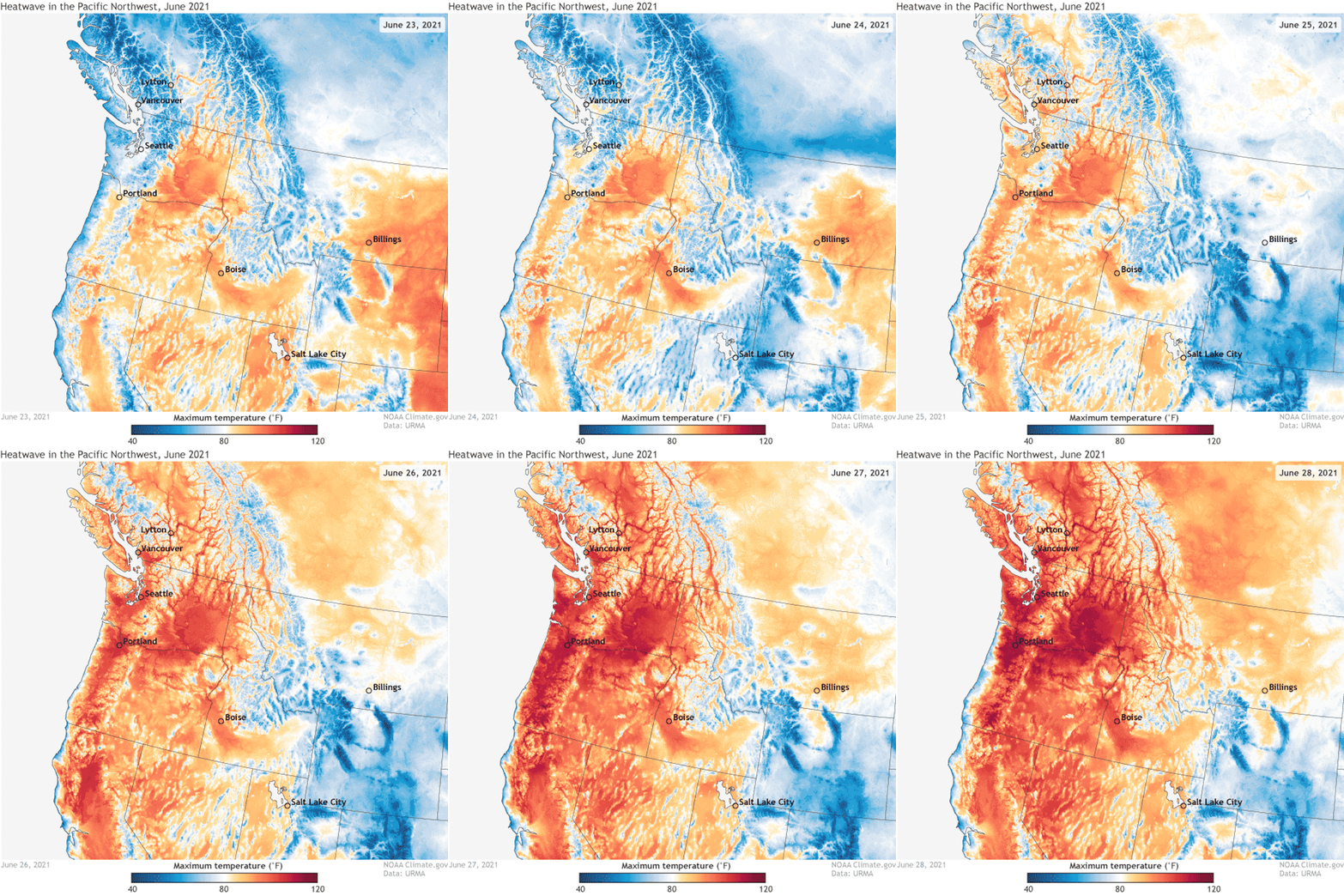
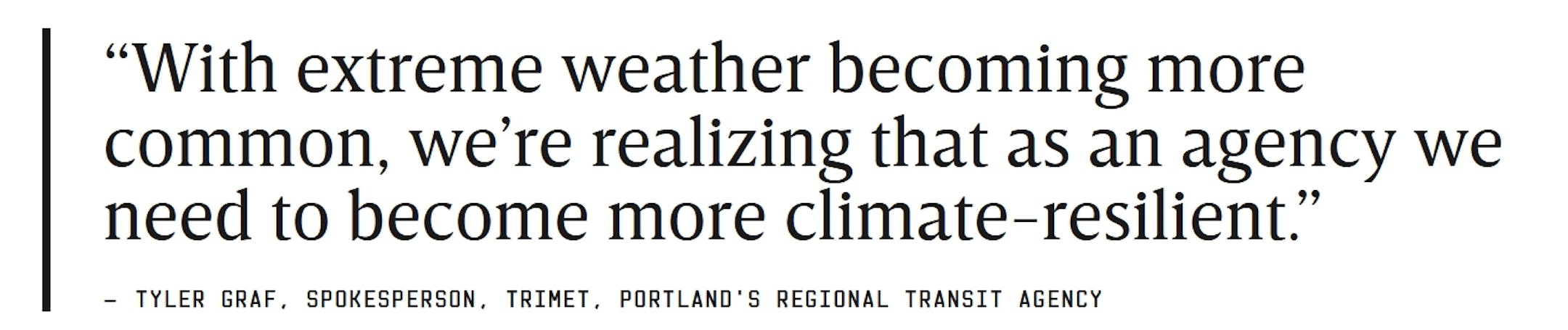
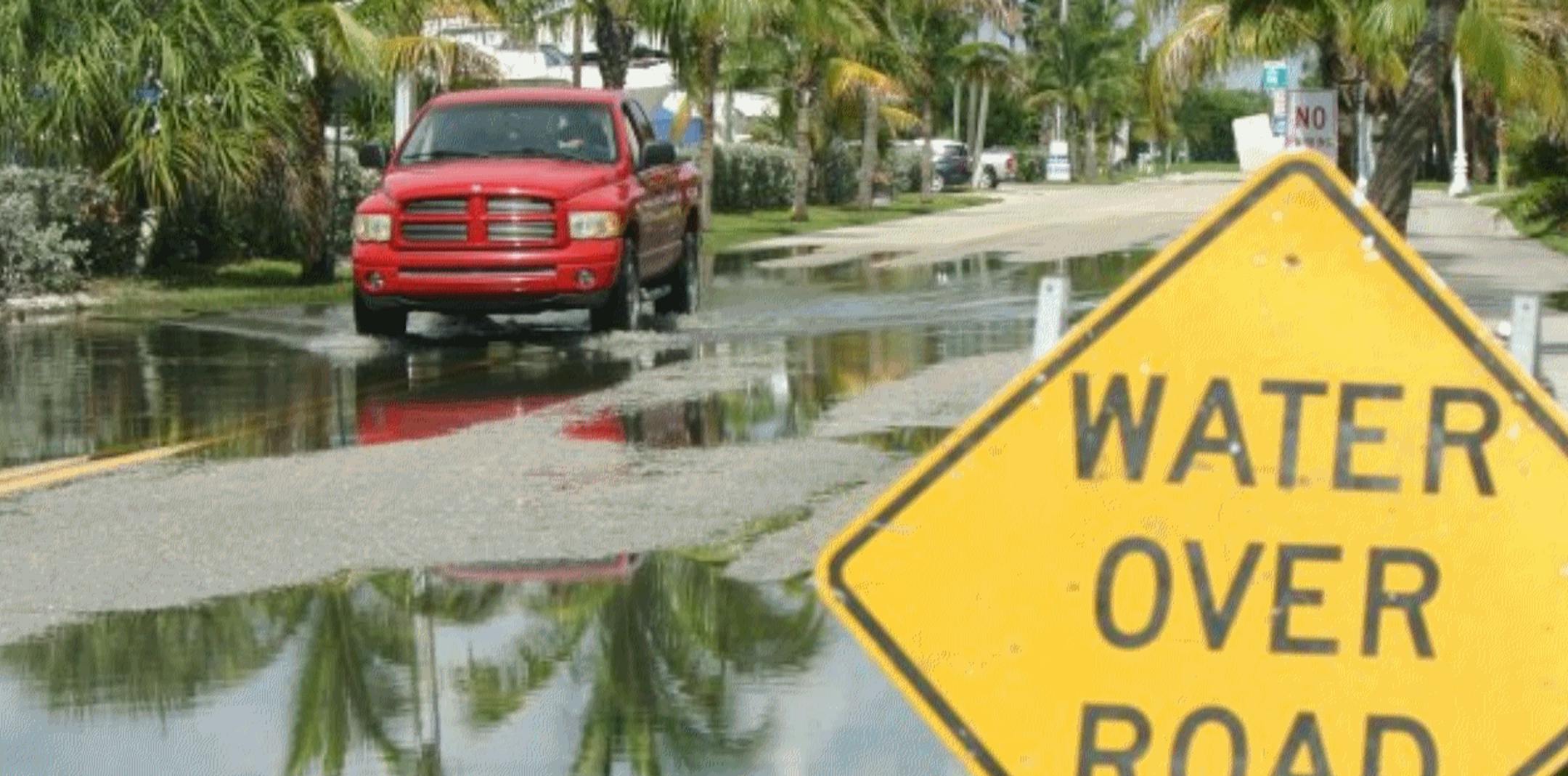
Oregon's Buckled Roads and Melted Cables are Warning Signs. WIRED.com (paywall) explains the complexities of climate resilience: "...It's complicated by a little-known fact: Roads and railways are built differently in different places. Many highways in the US are paved with asphalt concrete, a mix of crushed stone, gravel, and sand called "aggregate" and a soft, black "binder." The binder is what remains of crude oil after petroleum, kerosene, and other products are refined; its qualities depend on where and how it's made. In an arid, hot desert like Arizona, engineers use a stiff binder that will withstand high temperatures. In Seattle, binders can soften at lower temperatures, because it's not supposed to get as hot. That's partly why Phoenix's normal summertime temperature wreaked havoc on a place like Bellingham, Washington. Similarly, the overhead wires in Phoenix's light-rail system are calibrated to withstand heat up to 120 degrees..."
The ExxonMobil refinery in Baton Rouge. Greenpeace said that Unearthed reporters posed as recruitment consultants looking to hire a Washington lobbyist for a major client. (Kathleen Flynn/Reuters/The Minnesota Star Tribune)
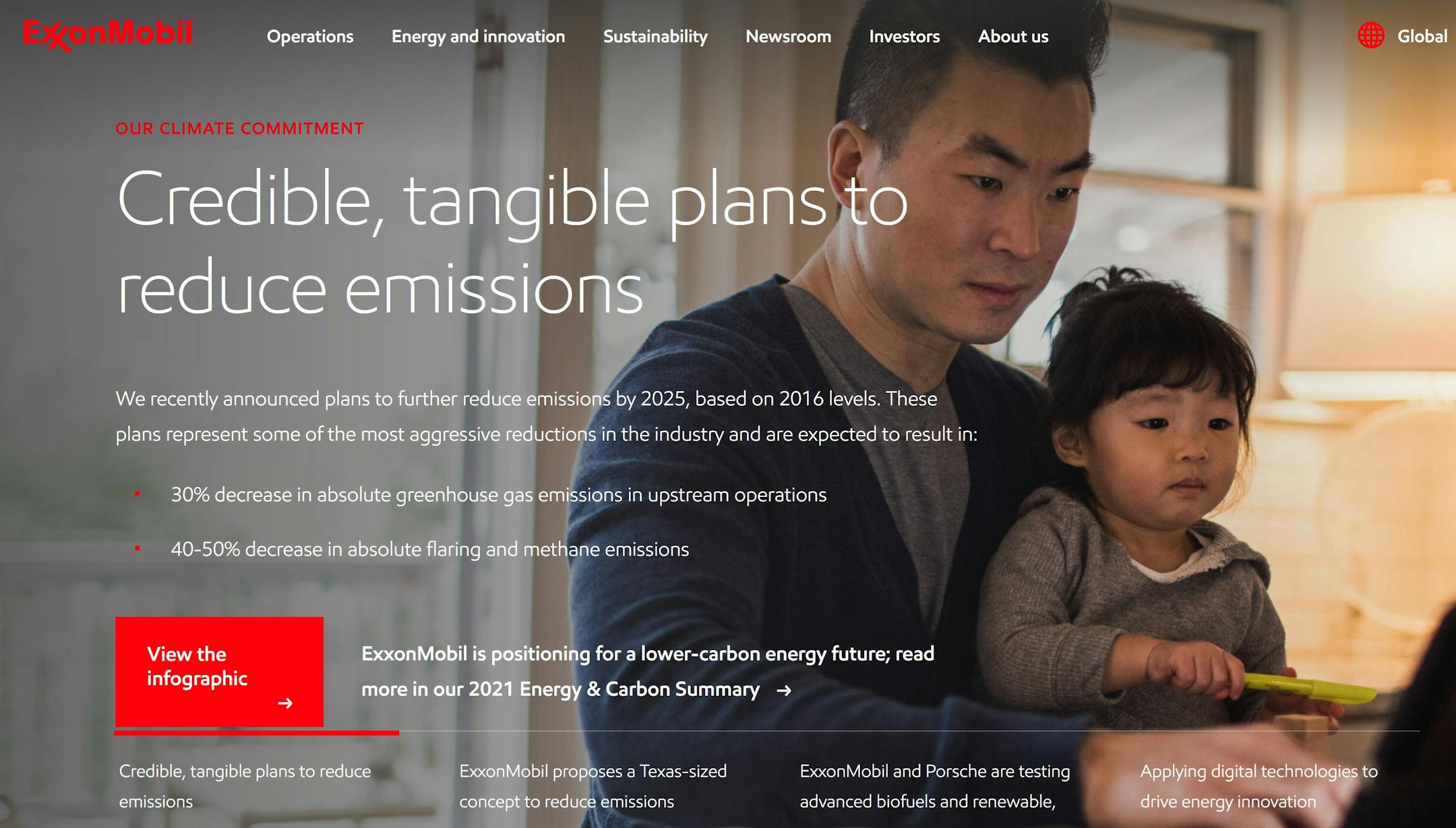
ExxonMobil Lobbyists Filmed Saying Oil Giant's Support for Carbon Tax is a PR Ploy. Wait, what? I just can't believe a large corporation who's future depends on unencumbered, unrestricted extraction of climate-warming fossil fuels would try to spin the science. The Guardian reports: "Lobbyists for ExxonMobil have described the oil giant's backing for a carbon tax as a public relations ploy intended to stall more serious measures to combat the climate crisis. Two senior lobbyists based in Washington told an undercover reporter for Unearthed, the investigative journalism branch of Greenpeace, that they worked to undermine Joe Biden's plans to limit greenhouse emissions and other environmental measures in his infrastructure bill..."
(The Minnesota Star Tribune)
We're shocked, shocked. Well, not that shocked: Climate Nexus has more perspective, headlines and links: "Two top ExxonMobil lobbyists were caught on camera admitting that despite an appearance of supporting some climate policy now, the company is still lobbying against climate change legislation, UK's Channel 4 News first reported. The footage was obtained by an undercover reporter working for Unearthed, Greenpeace UK's investigative platform, who posed as a headhunter. In the footage, lobbyist Keith McCoy explains how the company has been targeting senators to downplay or remove climate measures from the president's infrastructure plan, and says he has been speaking with Senator Joe Manchin's office on a weekly basis. He also revealed that Exxon uses its support of a carbon tax as "a talking point," because it does not believe the policy has any real chance to actually become law. In addition, McCoy admitted the company worked with "shadow groups" to fight early climate legislation, claiming only that "there's nothing illegal about that." Exxon's chief executive Darren Woods released a statement in response, saying he was shocked by the claims and that they do not accurately reflect the company's stance on climate change. "The recording we've heard today only solidifies what we already know: for decades, fossil fuel companies have lied to the public, to regulators, and to Congress about the true danger posed by their products," Rep. Ro Khanna said in a statement." (Unearthed, Channel 4, New York Times $, The Hill, Insider, Bloomberg $, Reuters, The Guardian,Axios, Gizmodo, Washington Examiner, Reactions: Channel 4, Wall Street Journal $)
(The Minnesota Star Tribune)
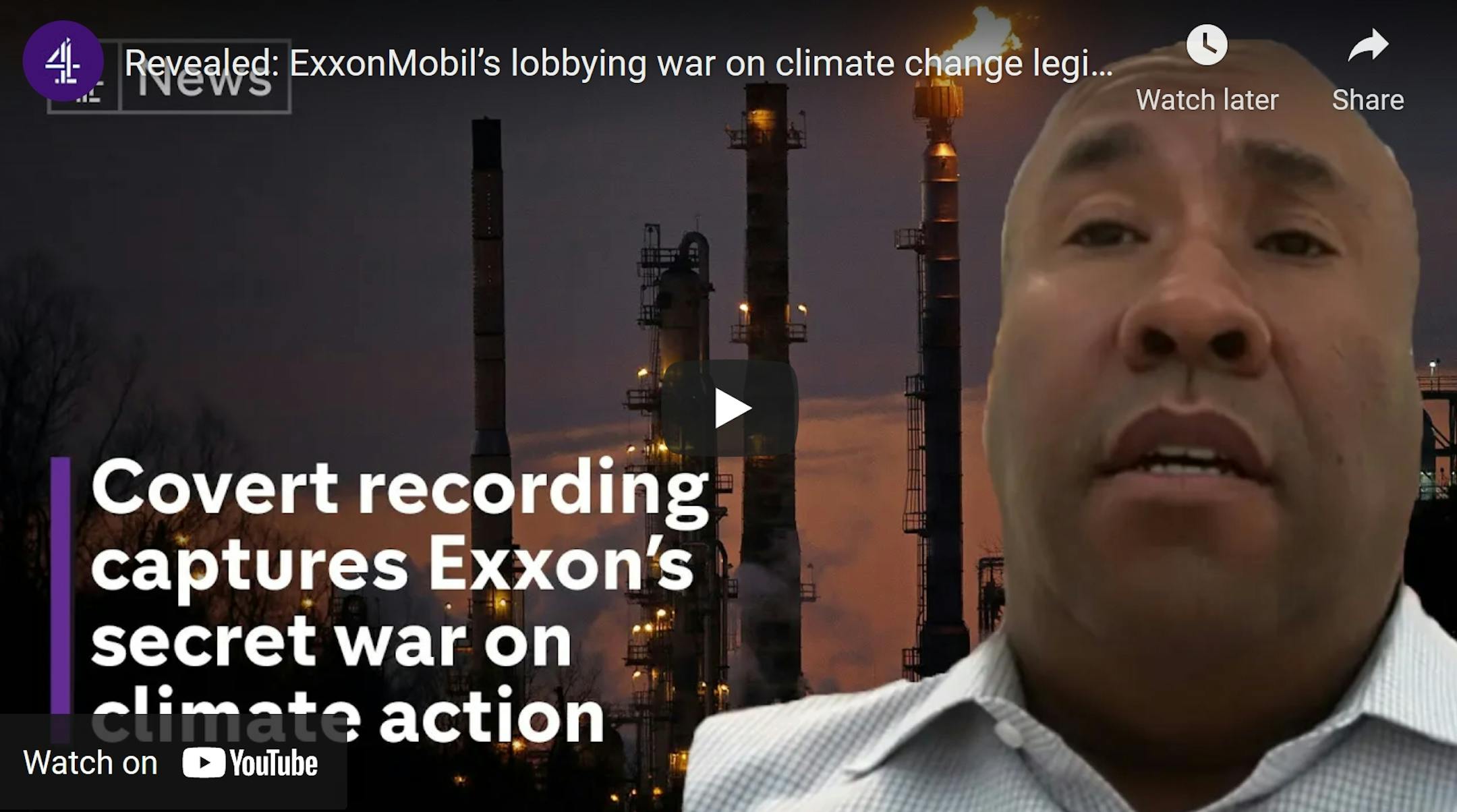
Revealed: ExxonMobil's Lobbying War on Climate Change Legislation. It's all about protecting the bottom line, not the planet's welfare and future generations, according to an interview highlighted at the U.K.'s Channel 4: "...During the covert recordings, which have been passed to Channel 4 News, Mr McCoy claims:
During the virtual meeting held on 7 May, the investigators asked Mr McCoy questions about ExxonMobil's current and historical lobbying..."
(The Minnesota Star Tribune)
The Future of Humanity: Can We Avert Disaster. I would argue that disaster has already arrived. Can we mitigate future disasters? Big Think has an interview and post; here's an excerpt that caught my eye: "...At the end of the talk, she focused on attempts to deal with climate change through new kinds of environmental controls with the subtext being that we are likely to run into the same cycle of unintended consequences and attempts to repair the damage. In a question-and-answer period following her talk, Kolbert was decidedly not positive about the future. Because she had looked so deeply into the possibilities of using technology to get us out of the climate crisis, she was dubious that a tech fix was going to save us. The only real action that will matter, she said, is masses of people in the developed would reducing their consumption. She didn't see that happening anytime soon."