1:54
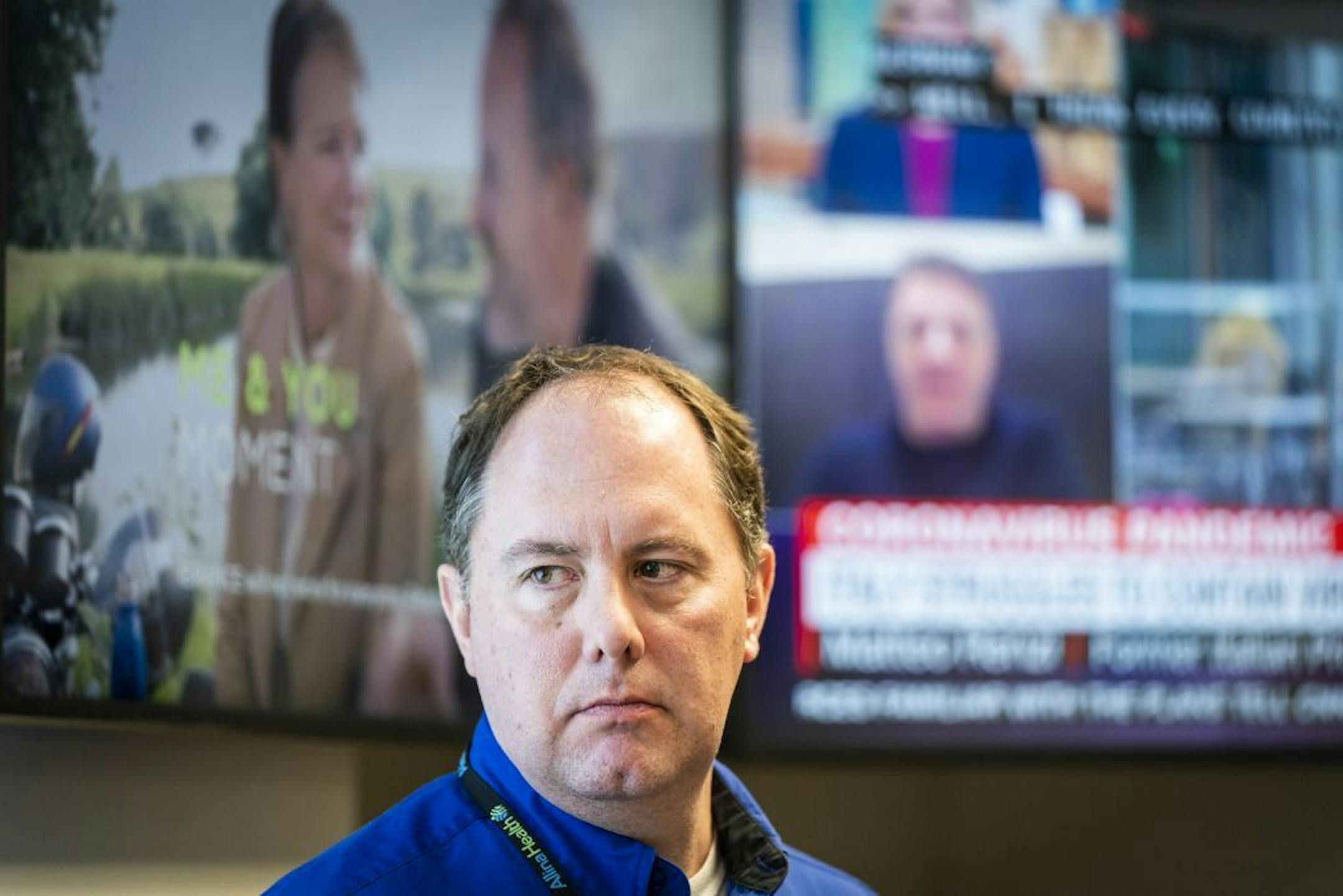
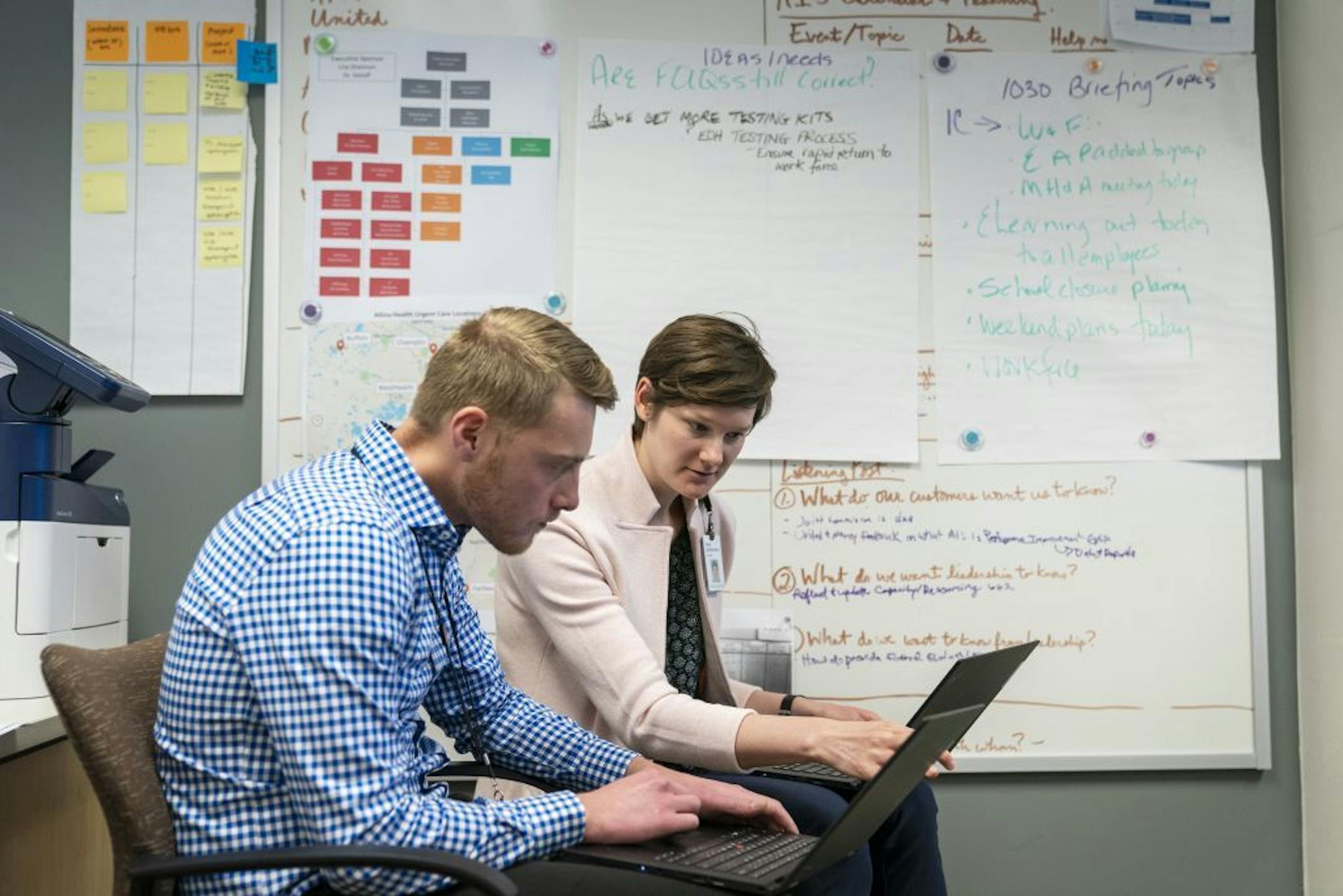
1:54Leaders of Allina Health huddled Friday morning in a computer lab littered with emergency planning maps and whiteboards of COVID-19 data, and one at a time discussed the challenges and solutions if a widespread coronavirus outbreak emerges in Minnesota.
Stocks of masks and protective equipment would dwindle. Scant open beds would be filled. Stressed-out workers would flood employee assistance programs. Sick workers would exhaust PTO. Call centers would be overwhelmed by questions, demands and rumors. For each expected problem, the health system was developing a solution.
"It won't be business as usual," said Helen Strike, a leader of Allina's incident command team.
Across Minnesota, hospital leadership groups like this have been preparing for what could be a generational pandemic and updating cooperative plans that were assembled after the anthrax bioterrorism scare in 2002 and then tested amid disasters such as the Interstate 35W bridge collapse.
Hospital leaders said Minnesota has the unique strength of cooperation that will ensure patients anywhere in the state get care. But they're also facing the reality of limited capacity when it comes to open beds and intensive care units if public mitigation fails to slow the spread of COVID-19, a respiratory illness caused by a novel coronavirus.
Twin Cities hospitals alone have 500 intensive care beds and 450 ventilators for patients struggling to breathe, a symptom in more severe cases of COVID-19. However, only 5.7% of ICU beds across the state were open Friday.
An unchecked surge of COVID-19 patients could fill those beds and force hospitals to make "scarce resource" decisions that could result in one patient receiving more immediate care than another. At HCMC in Minneapolis, leaders have backup plans if ventilators are all in use, such as pulling ventilator equipment off ambulances or repurposing devices that deliver anesthesia, but there are limits.
"We don't want to get there," said Dr. John Hick, an HCMC physician and emergency preparedness expert. "It's really important that we do our best to try and control the spread of this disease."