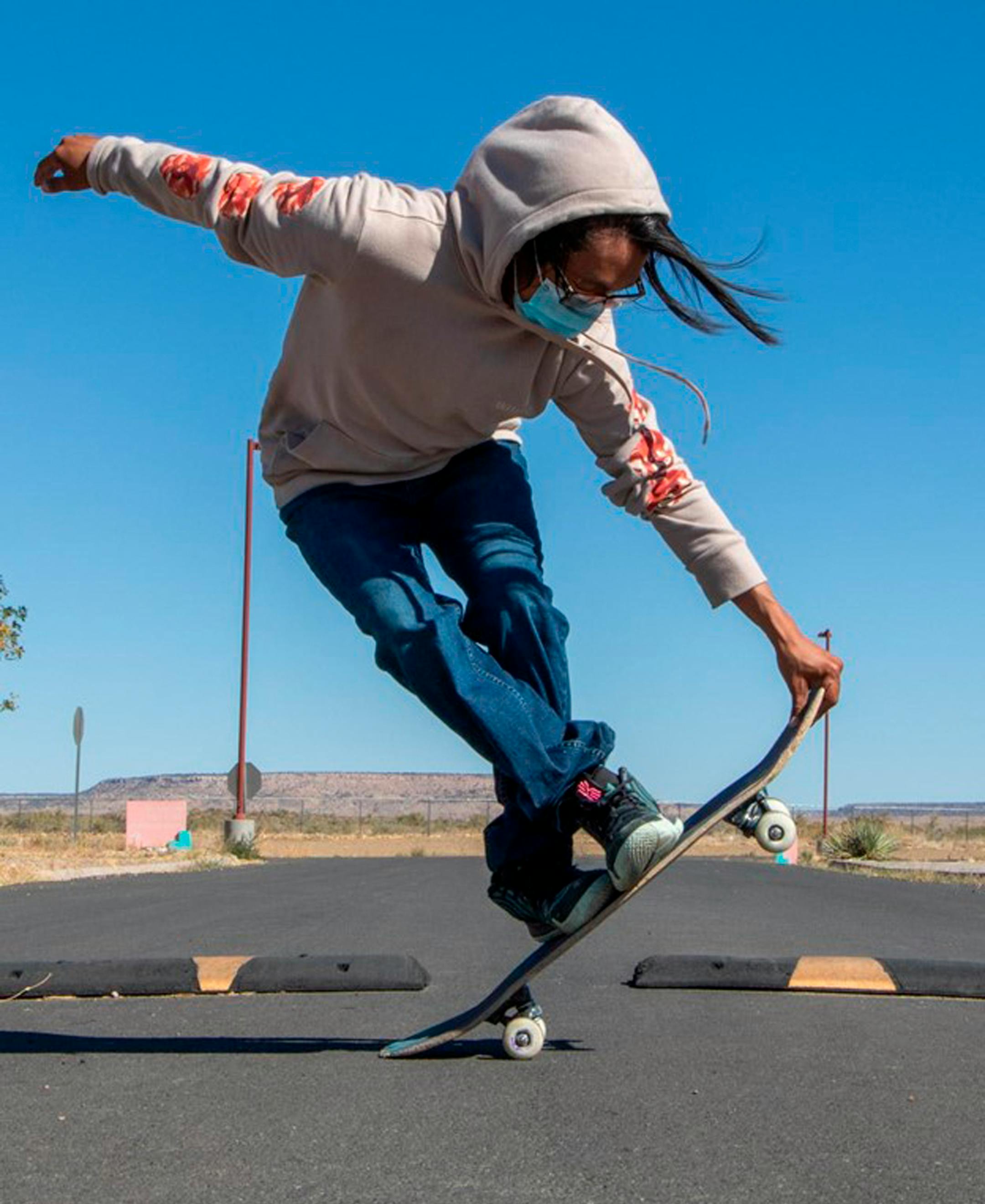
VILLAGE OF TEWA, Ariz. - They skateboarded on basketball courts and in parking lots, through highway intersections and down roads that twist from the mesas that rise above the high desert.
They set up tricks with old railroad ties and lumber, sometimes using their own skateboards to move the materials in place. During a pandemic that led to lockdowns, curfews and mask mandates on the Hopi reservation, the solo nature of skateboarding was a comfort.
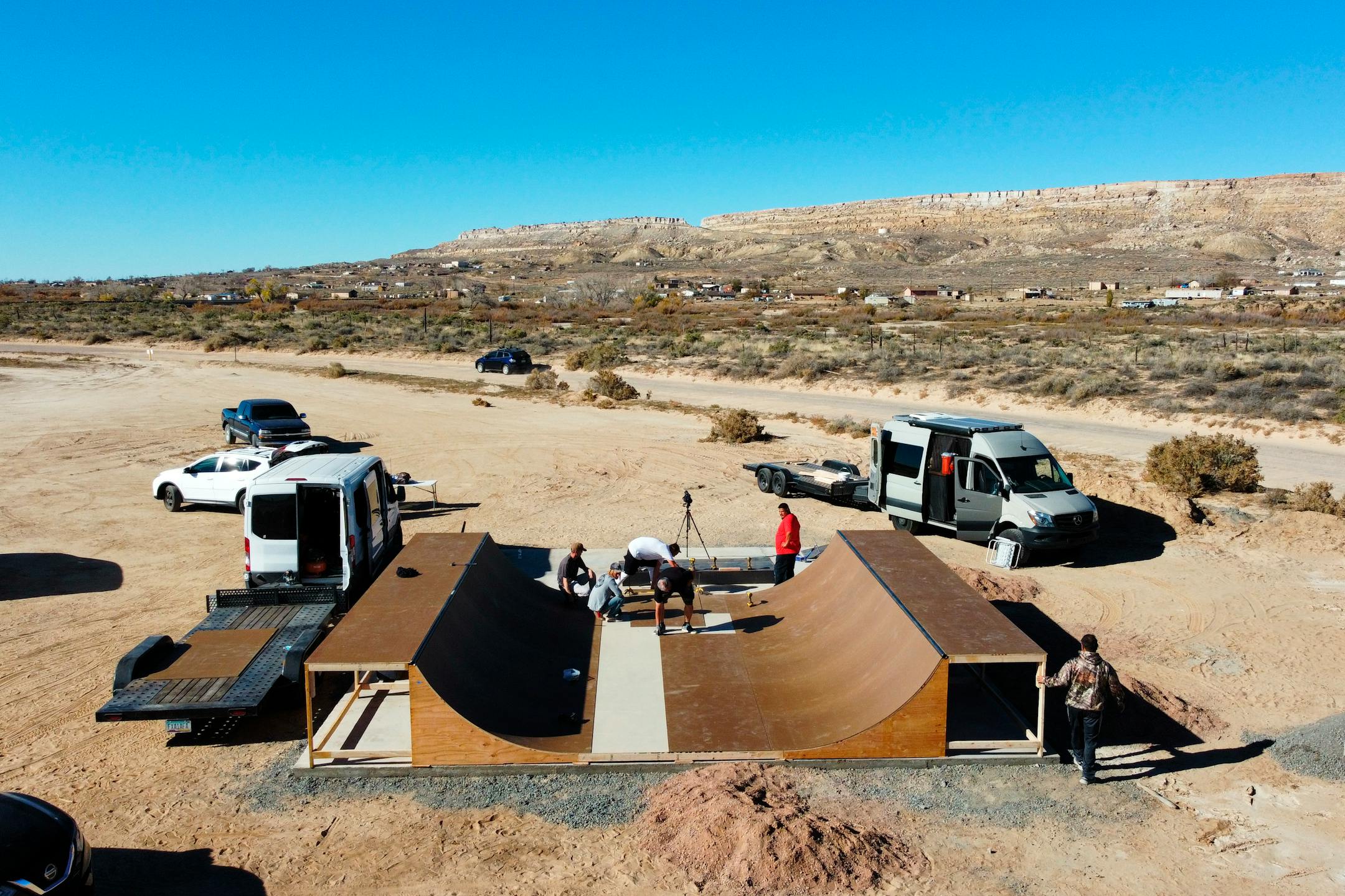
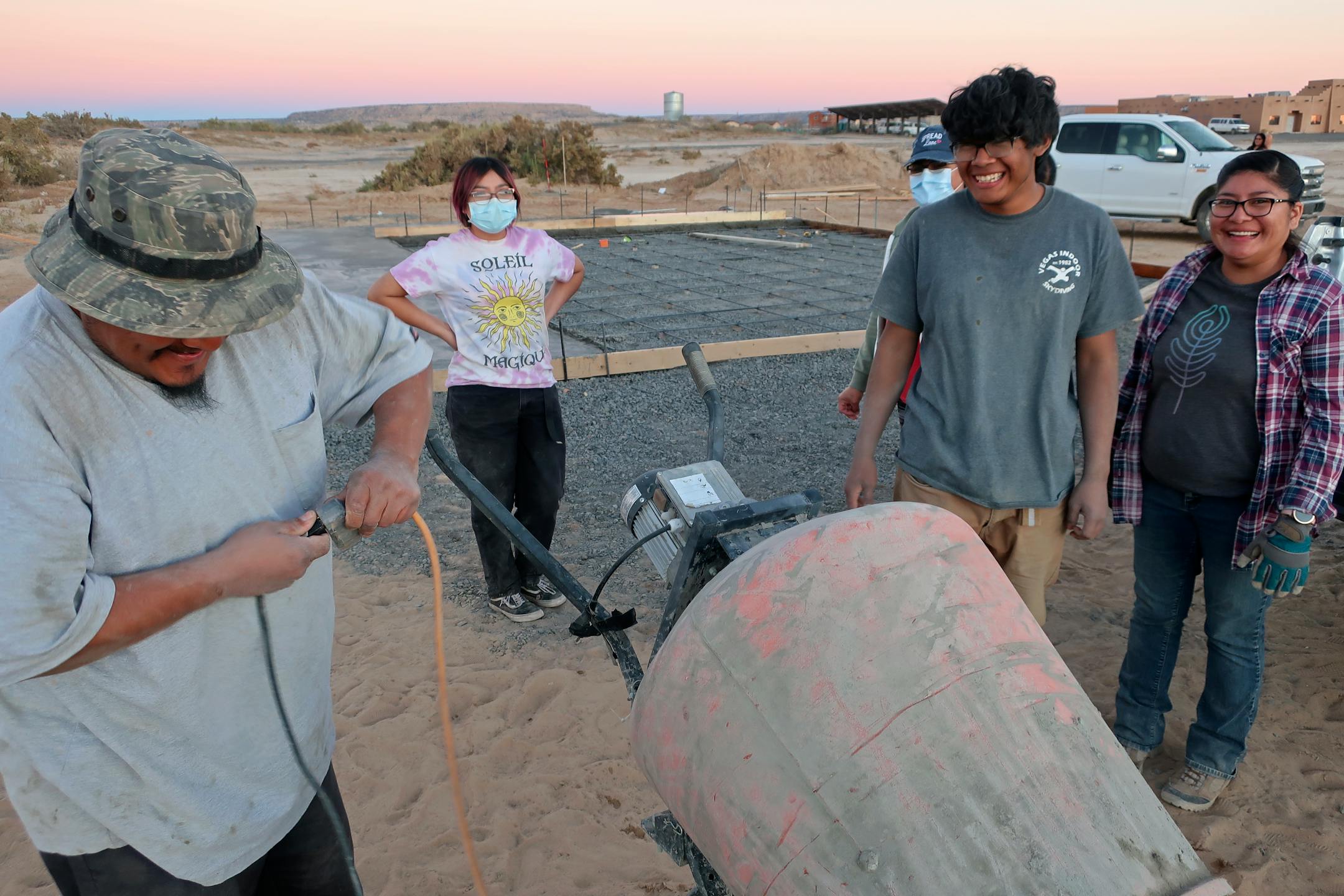
But the reservation that borders the northeast corner of Arizona lacked a designated skate spot. So a group of Hopi teenagers made it happen, seeing out a project they initially thought would take months and displaying the Hopi cultural value of sumi'nangwa — coming together for the greater good.
"I hope this will inspire other youth groups to try and do something like this to make the Hopi community a better place for the future generations of our people," said Quintin "Q" Nahsonhoya, one of a handful of co-leads on the project.
The skateboarding destination opened late this spring in the Village of Tewa. It's called Skate 264 for the highway that runs through the 2,500 square-mile Hopi reservation and connects the more than dozen villages. Kira Nevayaktewa came up with the logo that features a cat named "Skategod" that was part of the crew.
The youth group first wanted to ensure the community wanted a skate park, so they surveyed residents who overwhelmingly supported the idea. The group received a grant for branding, sold merchandise to raise money, secured a plot of land and got materials donated through partnerships.
Skate parks have popped up across Indian Country in recent years, many of them youth-led. Some host competitions like one on the Pine Ridge Indian Reservation in South Dakota or the All Nations Skate Jam held during the Gathering of Nations powwow in Albuquerque, N.M., to much smaller spots like those on Hopi land. Native Americans also have created their own brands of skateboards that feature traditional designs with modern twists. The sport that has Indigenous roots tied to surfing has gained even more acceptance since it debuted at the 2020 Olympics, said Betsy Gordon, who curated an exhibit on skateboarding in Native communities at the Smithsonian's National Museum of the American Indian.
"That gives it legitimacy in a lot of adult eyes, people who are making the rules or who fund [skate parks]," she said. "This sense of skateboarding being outsider and niche and oppositional and dangerous, I think it's really disappearing."