

Opinion editor’s note: Editorials represent the opinions of the Star Tribune Editorial Board, which operates independently from the newsroom.
•••
Opinion editor’s note: The following editorial is reprinted from the May 30, 1920, issue of the Minneapolis Sunday Tribune, a newspaper that played a key role in the evolution of what would one day become the Star Tribune under the ownership of the Cowles family.
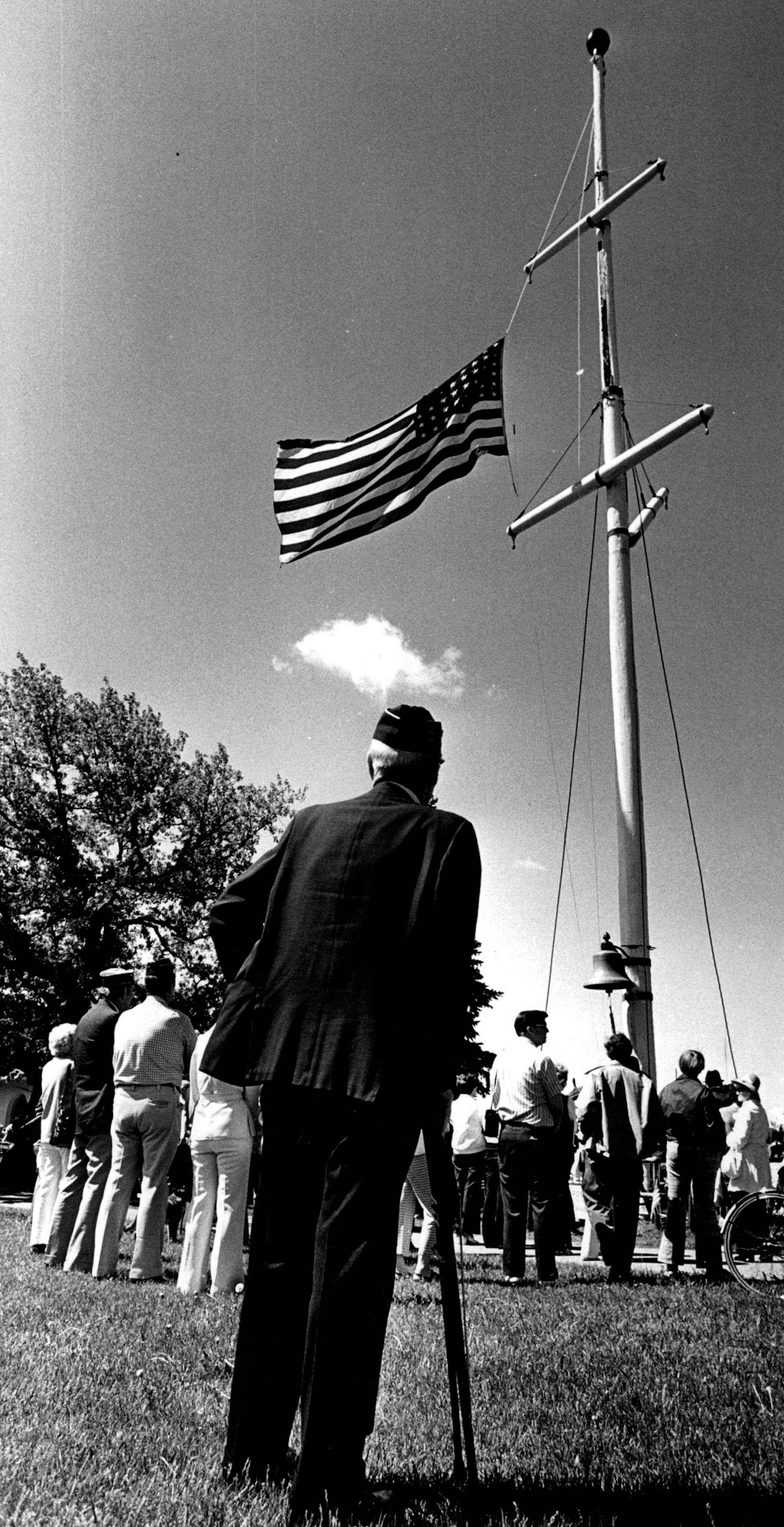
Flowers and flags stand for love, remembrance and gratitude on Memorial Day.
They are visible ties binding the living to the heroic dead — to that immortal band of martyrs who, starting with the war for independence, laid a firm base for the Republic, safeguarded the covenant when it was menaced from within, and threw a cordon of armed patriotism around when it was assailed from without.
For some things the memory of the American people is long and it is tender. One of the things is the noble sacrifice that has been the price of their liberties. They think of this sacrifice in the abstract, but they think of it also in terms of the lives of human beings. Each Memorial Day, with its flowers dropping on a million graves, helps us visualize the mighty army that makes up the bivouac of the dead.
We would not forget these martyrs if there were no Memorial Day to commemorate them, but we remember them better for what the day brings to eye and mind and heart; for the blooms that stand for thankfulness or a prayer; for the flags that symbolize the wonderful thing for which they died; for the eulogies that are spoken to give inspiration to the living as much as praise to the sleepers; for the tread of marching men, and for the music that has stirred the hearts of patriots in times of both war and peace.
They sleep well who yielded their lives for the country’s weal and honor. The power of their example was not spent with their passing. Whether they paid the great price a century and a half ago, or in the late war, the spell of their spirits is over the land today for its good. Heroism is not a thing of the moment. It has the breath of immortality. It is what it is because the beneficent force of its example persists through the generations and because it finds ever and ever new human objectives upon which to play its uplifting magic.


