

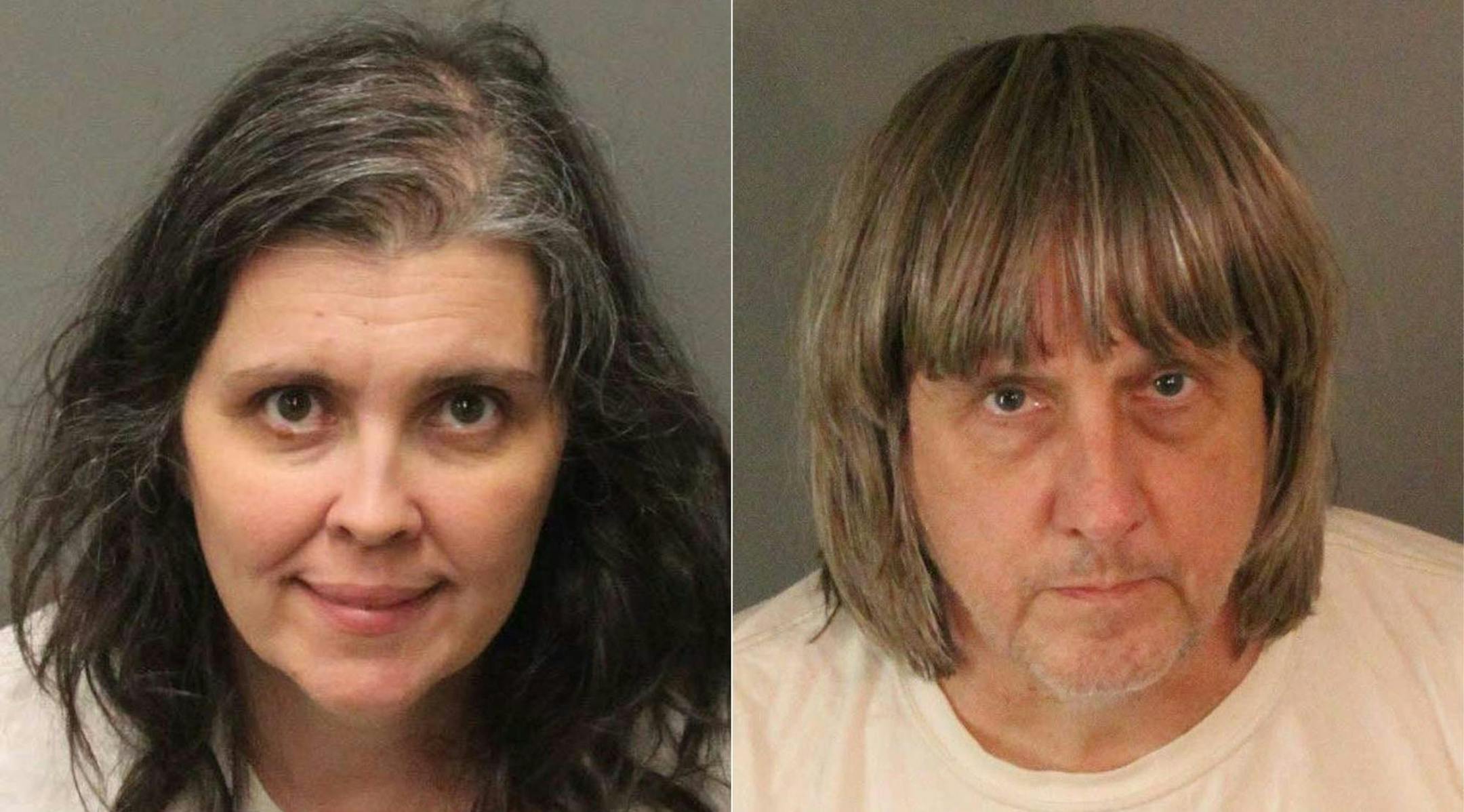
Every once in a while, a horrible story involving home-schooled children grabs the public's attention. Most recently, a Perris, Calif., couple allegedly kept their 13 sons and daughters chained and malnourished, while filing the proper paperwork each year to tell the state that they were running a small, home-based private school for the kids.
Most tales of home-schooling are of course nothing like this. But the Perris case serves as a reminder that California plays it too loosey-goosey when it comes to the welfare and education of home-schooled children.
Not that lawmakers should go all nanny-state on parents who choose to educate their own children; New York state, for example, takes it too far by requiring home-schooled students to take the state's annual standardized tests. Similarly, a court ruled 10 years ago that California home-schoolers must have a teaching credential; that ruling was quickly reversed after an outcry from home-schooling supporters.
Some parents choose home-schooling because they believe that, in regular public schools, important educational priorities have been subordinated to standardized test scores. In fact, the reasons for home-schooling run the gamut — a desire for more religious instruction or an education enriched with hands-on experiences; frequent family moves that would disrupt education; a child's serious medical issues; resistance to having children vaccinated. Some of these reasons are laudable; others less so.
But in the end, California's easygoing rules on home-schools — which mandate only that the schools provide very limited information to the state — make a wide variety of educational experiences possible.
At the same time, like every state, California has a compulsory-education law as well as numerous child-welfare statutes. The state bears some responsibility for ensuring that children are getting the basics of a good education and that they are safe.
As great as many home-schoolers are, there also are parents who withdraw their children from public schools at precisely the moment when teachers, who are mandated public reporters of child abuse, start noticing signs of potentially dangerous family problems and asking questions.
And the Perris incident isn't an isolated example; the 2008 ruling on teaching credentials, for example, grew out of allegations of mistreatment by a Lynwood, Calif., couple who home-schooled their eight children.
What might a reasonable, nonbureaucratic set of rules look like? Here's one possibility: annual inspections by school districts, reimbursed by the state, to ensure that students are learning in a basically decent environment. The inspectors would interview students privately so that they could feel safe talking about any abuse and would review the educational plan and a portfolio of the student's work to see whether the parents are actually teaching.


