On the day before the 1985 All-Star Game at the Metrodome, baseball's decision-makers took a chance. Peter Ueberroth, the commissioner then, had been brainstorming ways to trumpet the sport, and in prior years the annual All-Star workout day had been relatively ho-hum.
Instead of simply holding batting practice, officials dusted off an old concept from the 1960 TV series "Home Run Derby," featuring sluggers like Hank Aaron, Willie Mays and Harmon Killebrew. That show had been so simple, so understated, and still so fun.
The 1985 Home Run Derby was a contest between the National League and American League, featuring five sluggers a side. The thought of televising it probably would have drawn laughs. Organizers invited the public and charged $2 admission. Nobody was sure who'd come, but the Monday crowd swelled to 46,000.
"We've had some dramatic home run derbies over the years," said Laurel Prieb, who helped coordinate those All-Star events for the Twins. "But I make the case that '85 was the most dramatic of all."
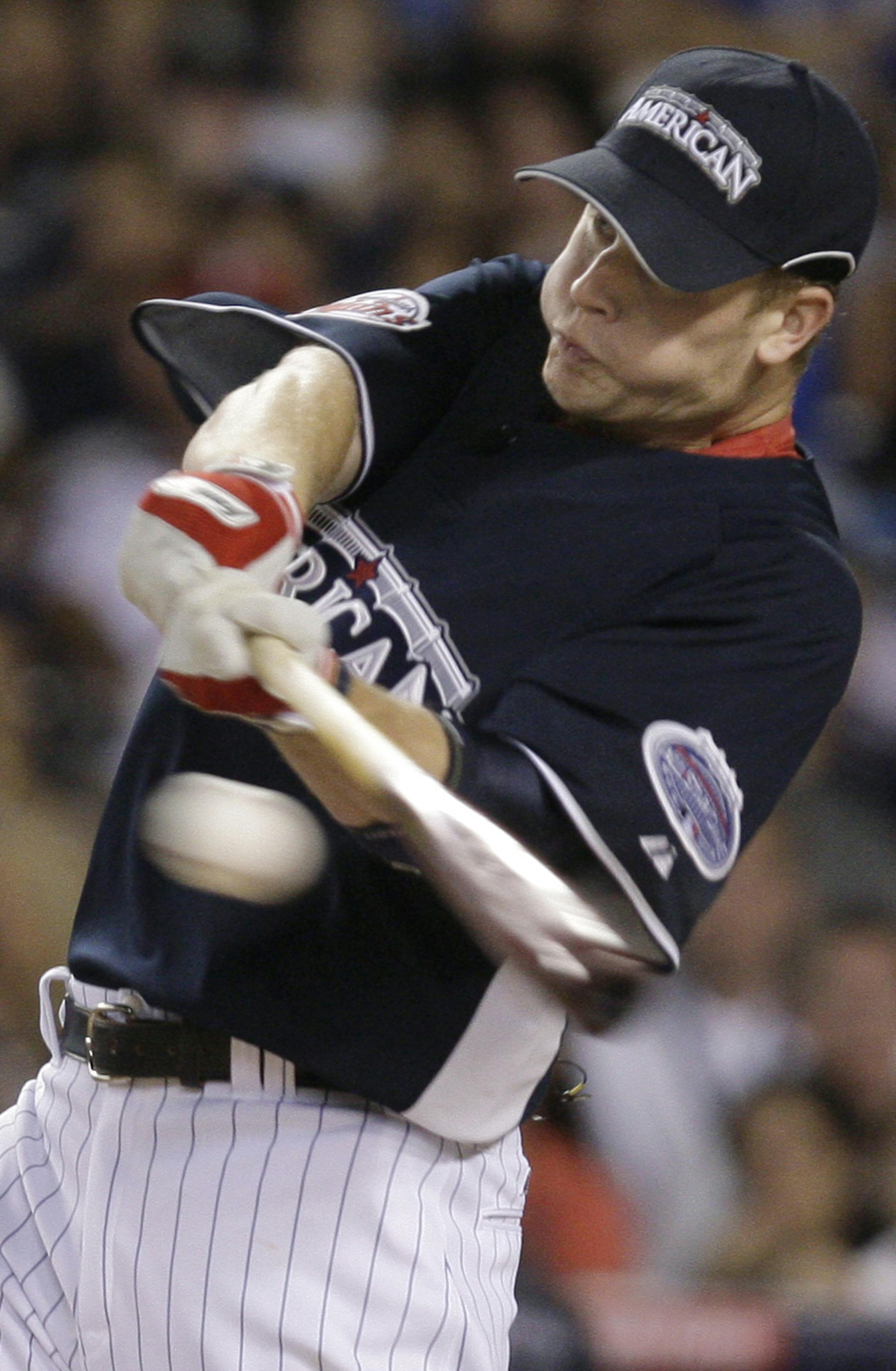
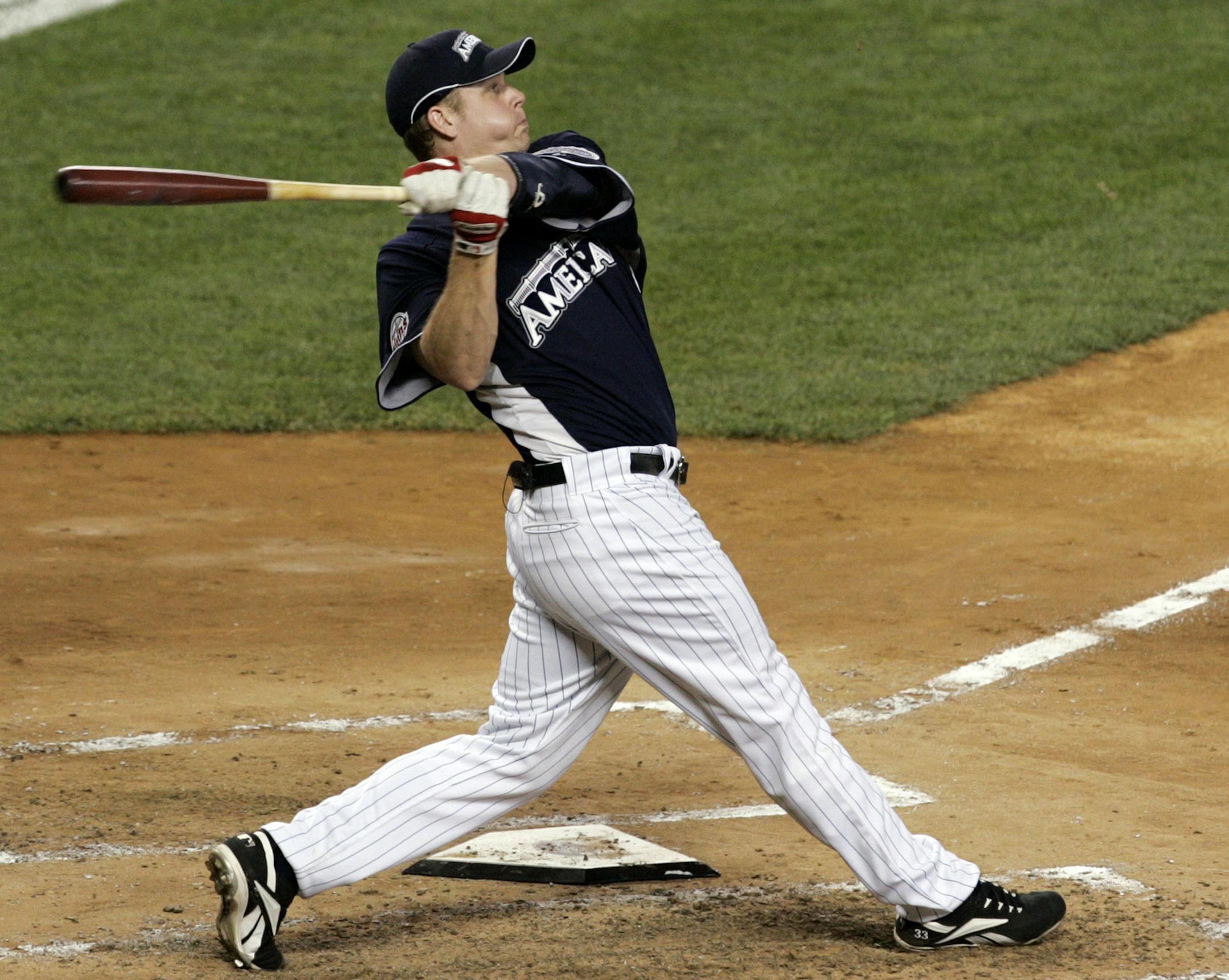
The NL led 16-14 as the final hitter strolled to the plate — Twins right fielder Tom Brunansky. With Tom Kelly pitching, Brunansky took a while to find his groove, but he pulled three homers into the left field seats, giving the AL the win.
Suddenly, baseball had its answer to the NBA Slam Dunk Contest. The Home Run Derby has since taken on a life of its own, and there's nothing understated about it. Now in its 30th year, the event arrives at Target Field on Monday night with a new four-round bracket format, 10 sluggers and Chris Berman's repeated shouts of "Back! Back! Back! … Gone!"
It's become nearly as popular as the All-Star Game itself. In 2008, when Josh Hamilton hit a record 28 home runs in the first round — only to be defeated later by Justin Morneau — more than 9.1 million viewers watched. For comparison, about 11 million viewers watched last year's All-Star Game.
On Friday, the cheapest available ticket for the Home Run Derby on stubhub.com was $176, and that was for standing room only. There was nothing available in the bottom two levels of the left-field bleachers for less than $270.