For home buyers interested in conducting their own home inspection, here's a list of larger items to look out for while viewing houses. This is a cursory overview of some of the larger problems that are frequently identified during home inspections. Of course, this is no substitute for a professional home inspection, but it's a great start.
Roof Problems
While many roof problems can only be identified by actually walking the roof or leaning a ladder up against the eaves, some defects can be easily seen from the ground. Be sure to view all sides of the roof. In older neighborhoods with tall houses that are close to each other, it may be necessary to walk a fair distance down an alley to get a good look at the roof.
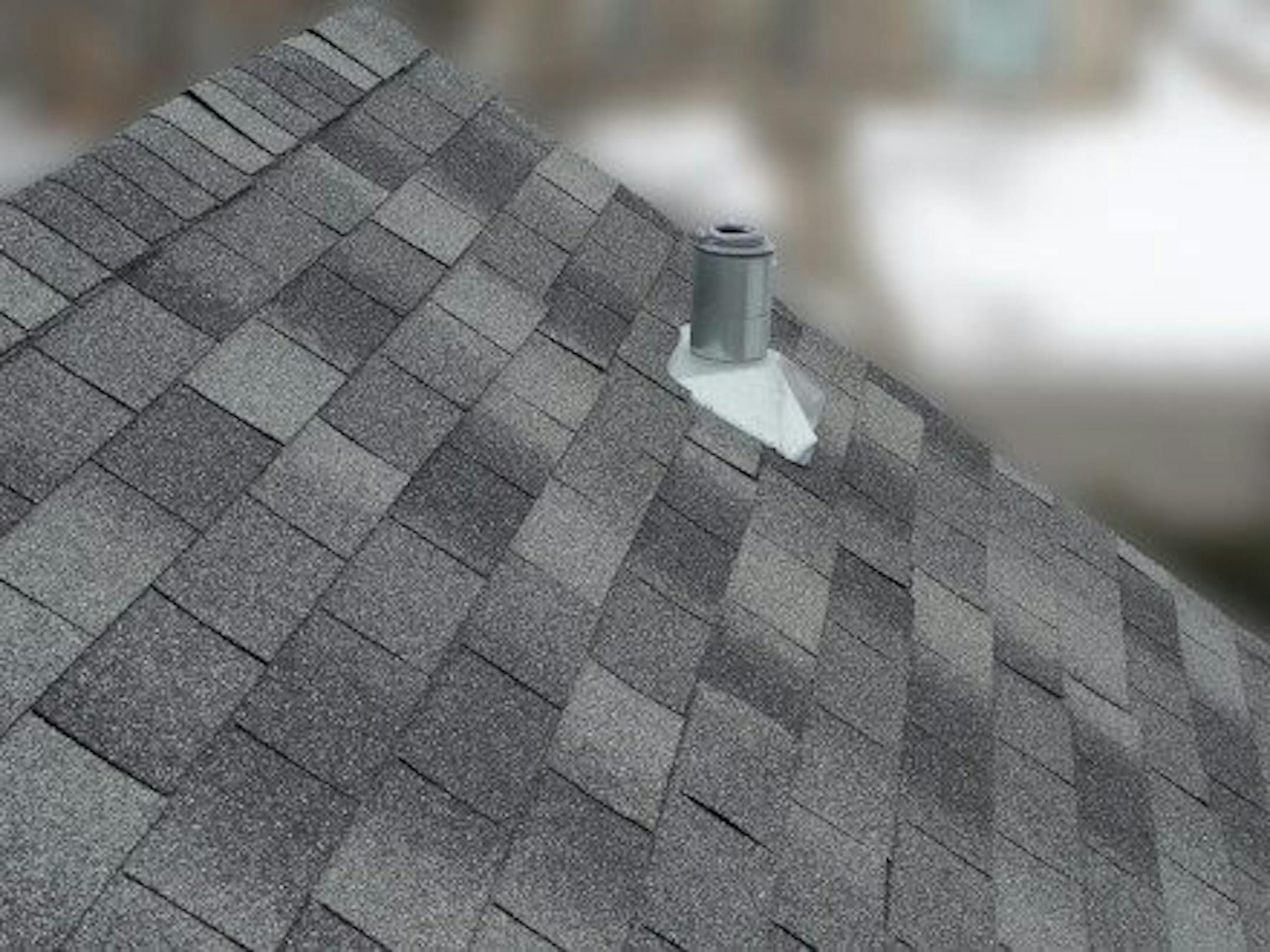
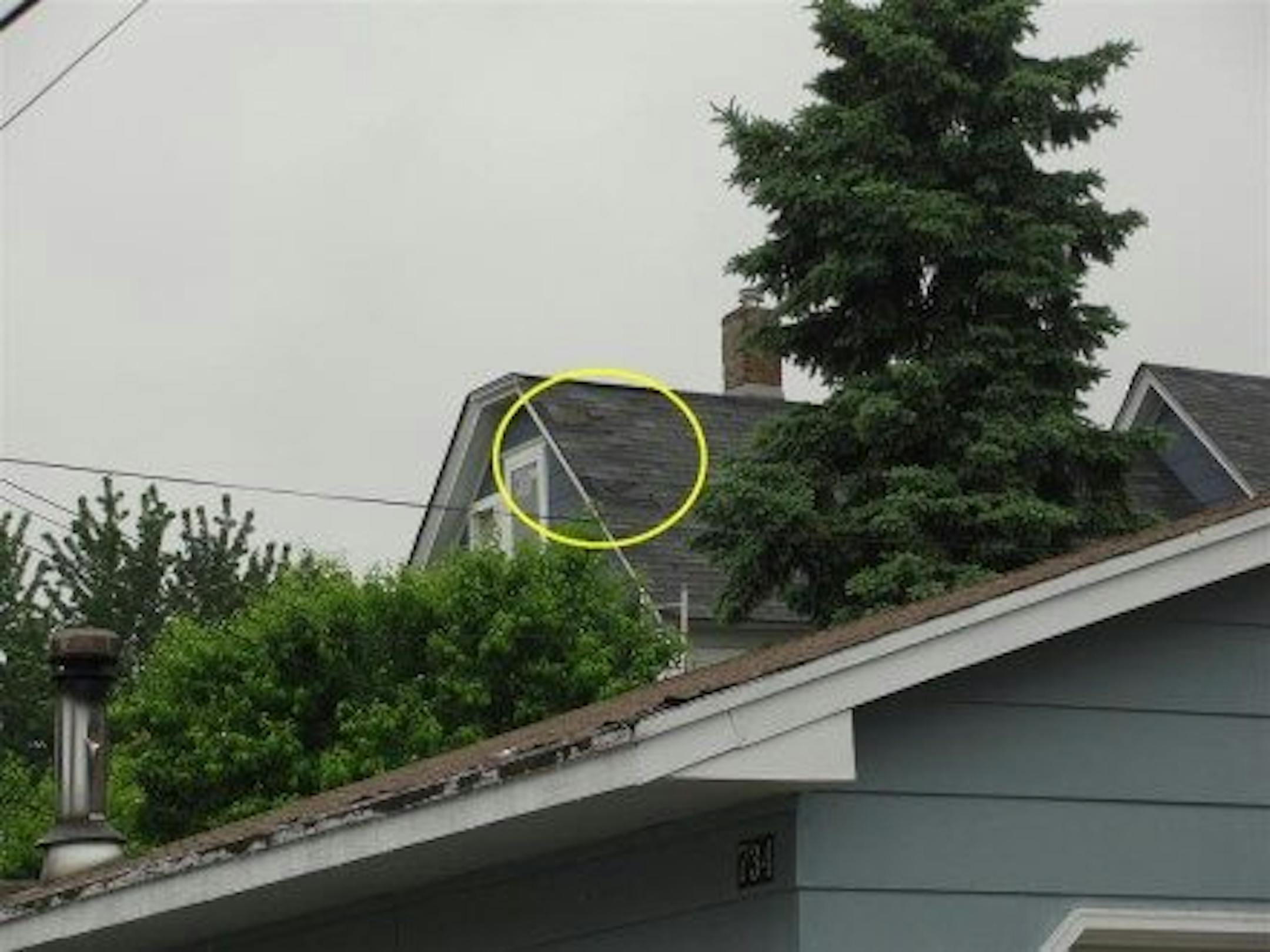
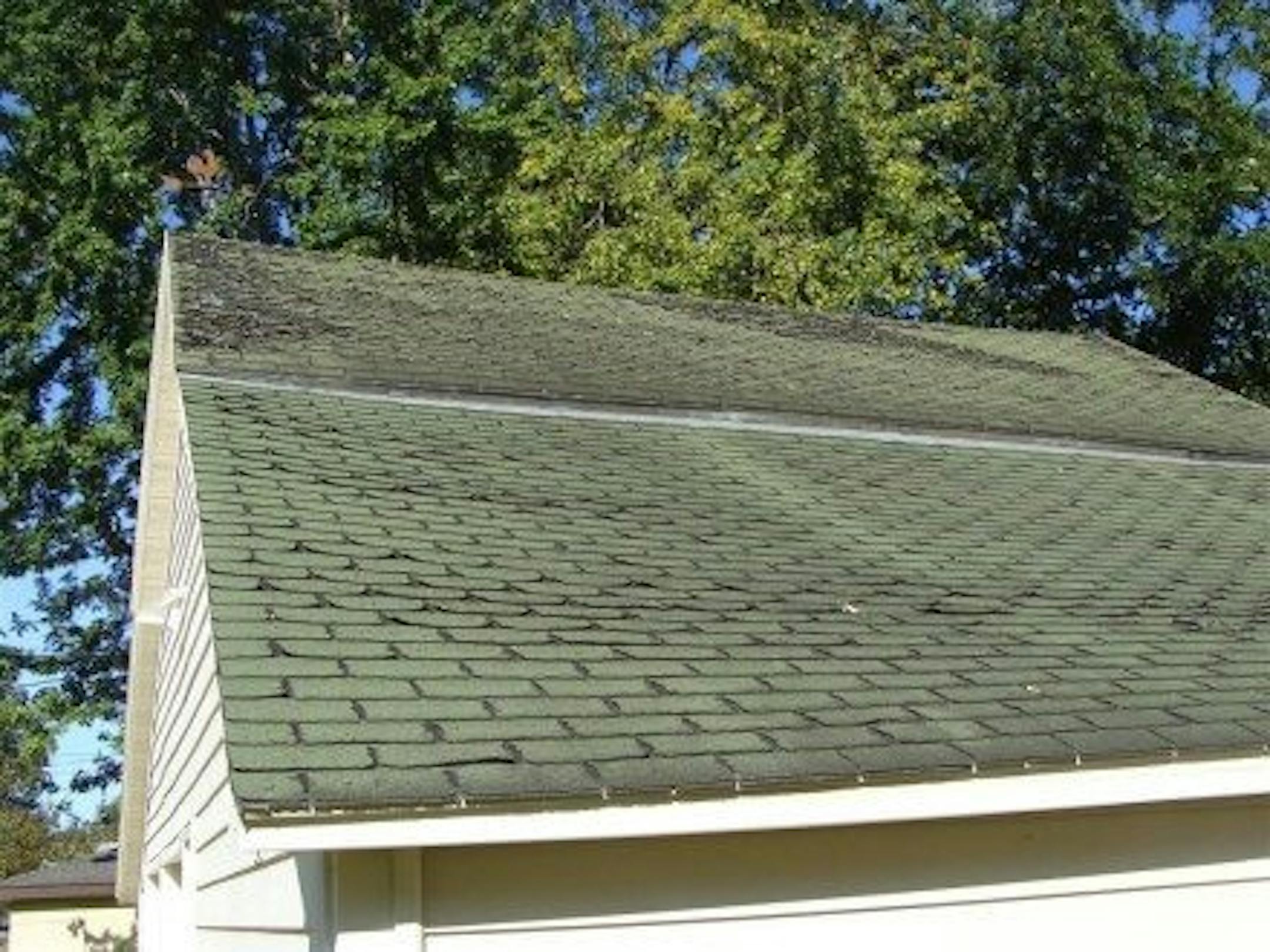
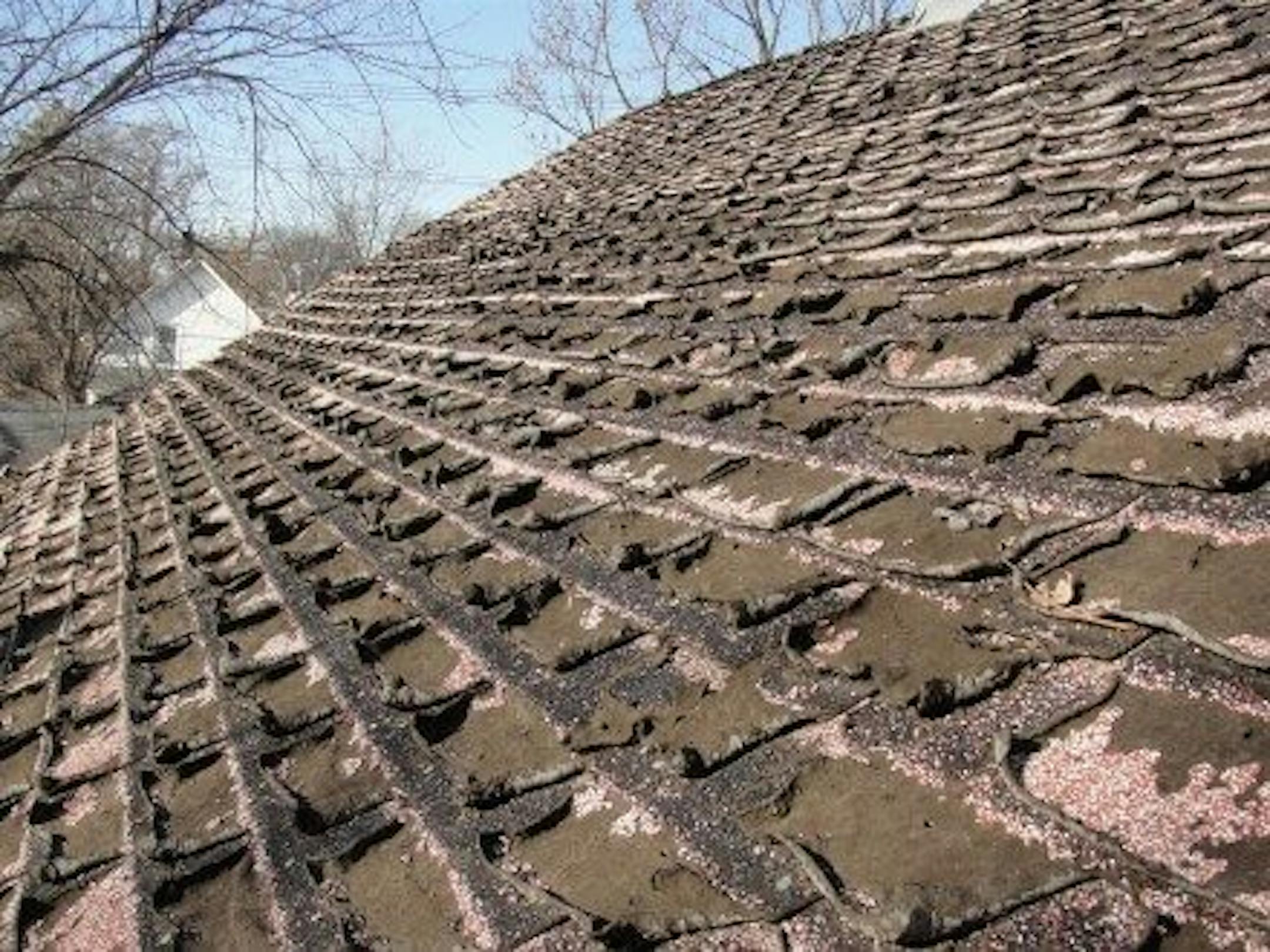
Look for any irregularities with the roof: shingles that look curled from the ground indicate an old roof. This type of curling almost always happens on the south side first, so pay special attention to that side. The photos below show examples of some particularly nasty roofs.
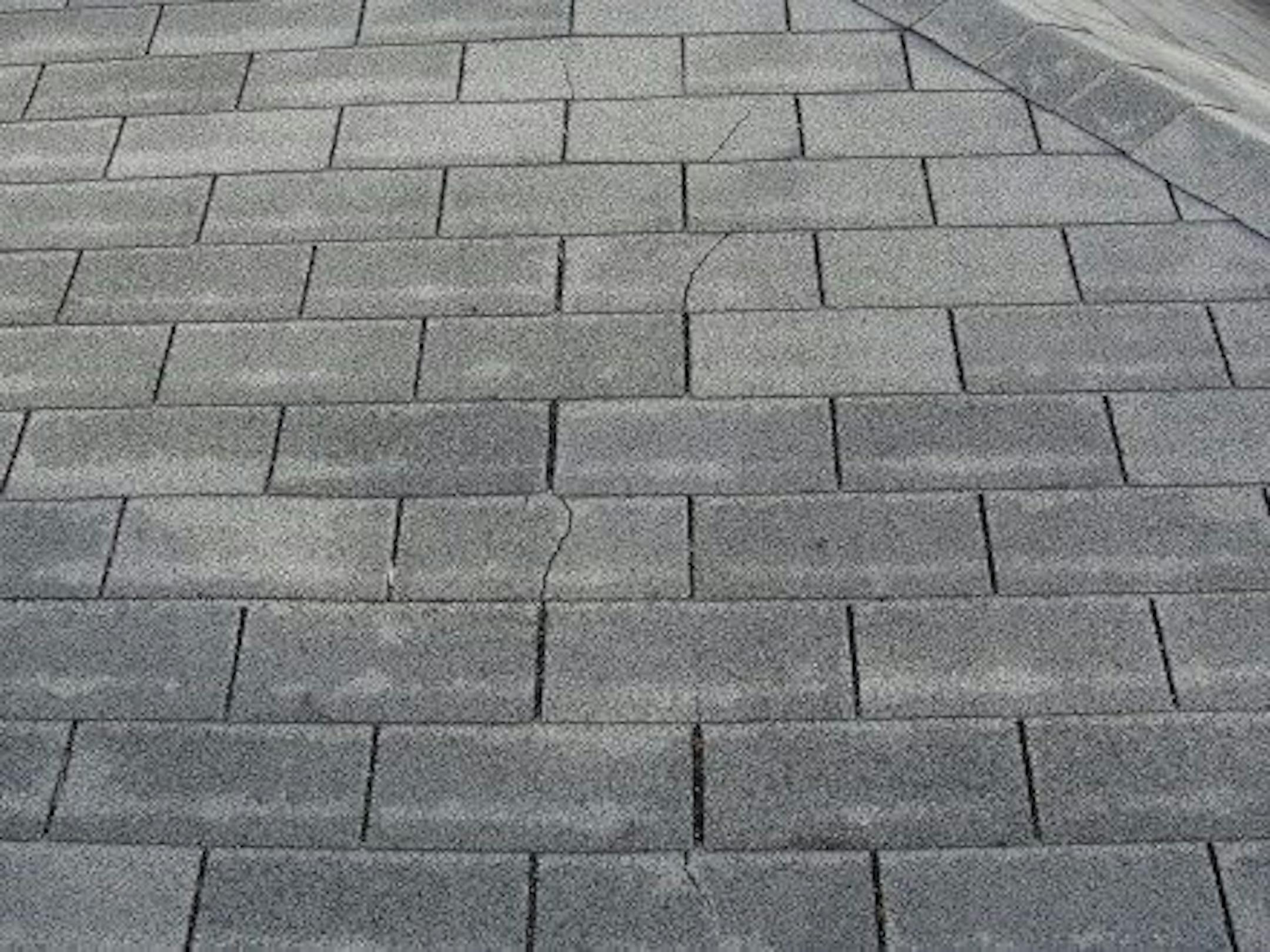
Look out for cracks in shingles as well. These typically won't be visible on second story roofs, but it's sometimes possible to spot these on single-story roofs.
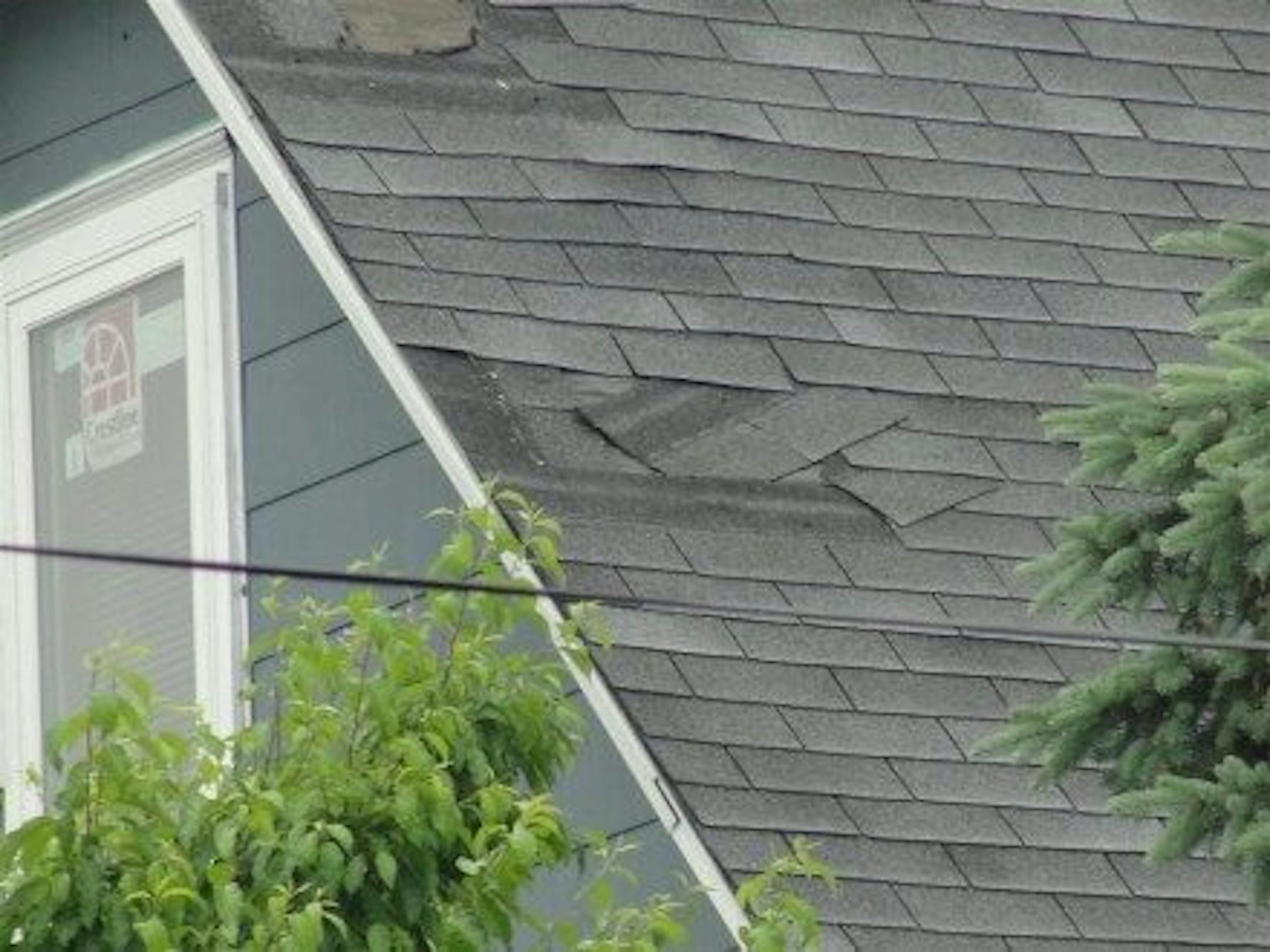
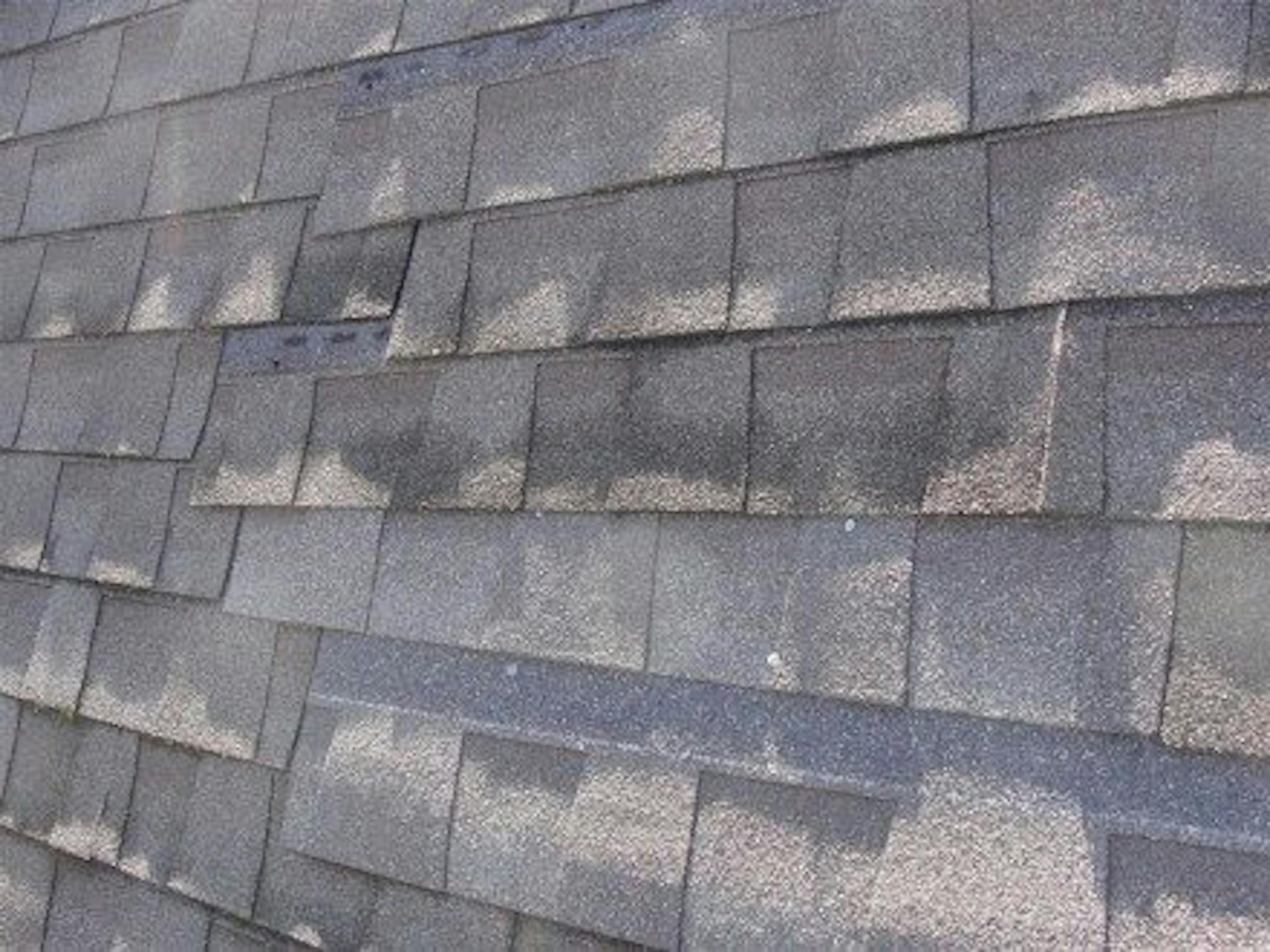
Mis-matched or patched shingles, missing shingles, and shingles sliding out of place typically indicates an improper installation. The photo below shows a horrible patch job. A 'new' roof doesn't mean a 'good' roof.
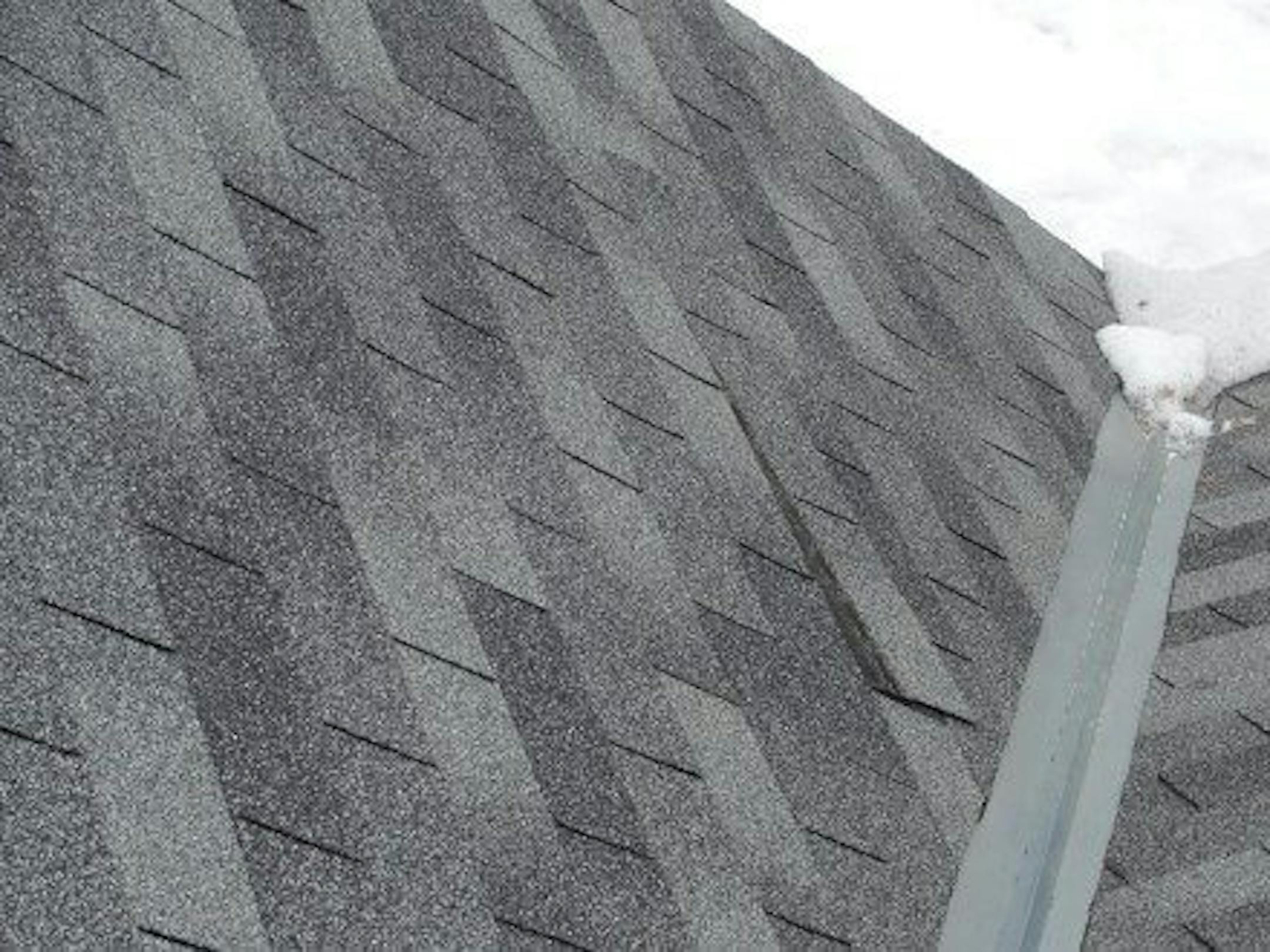
Always look for loose shingles in valleys.
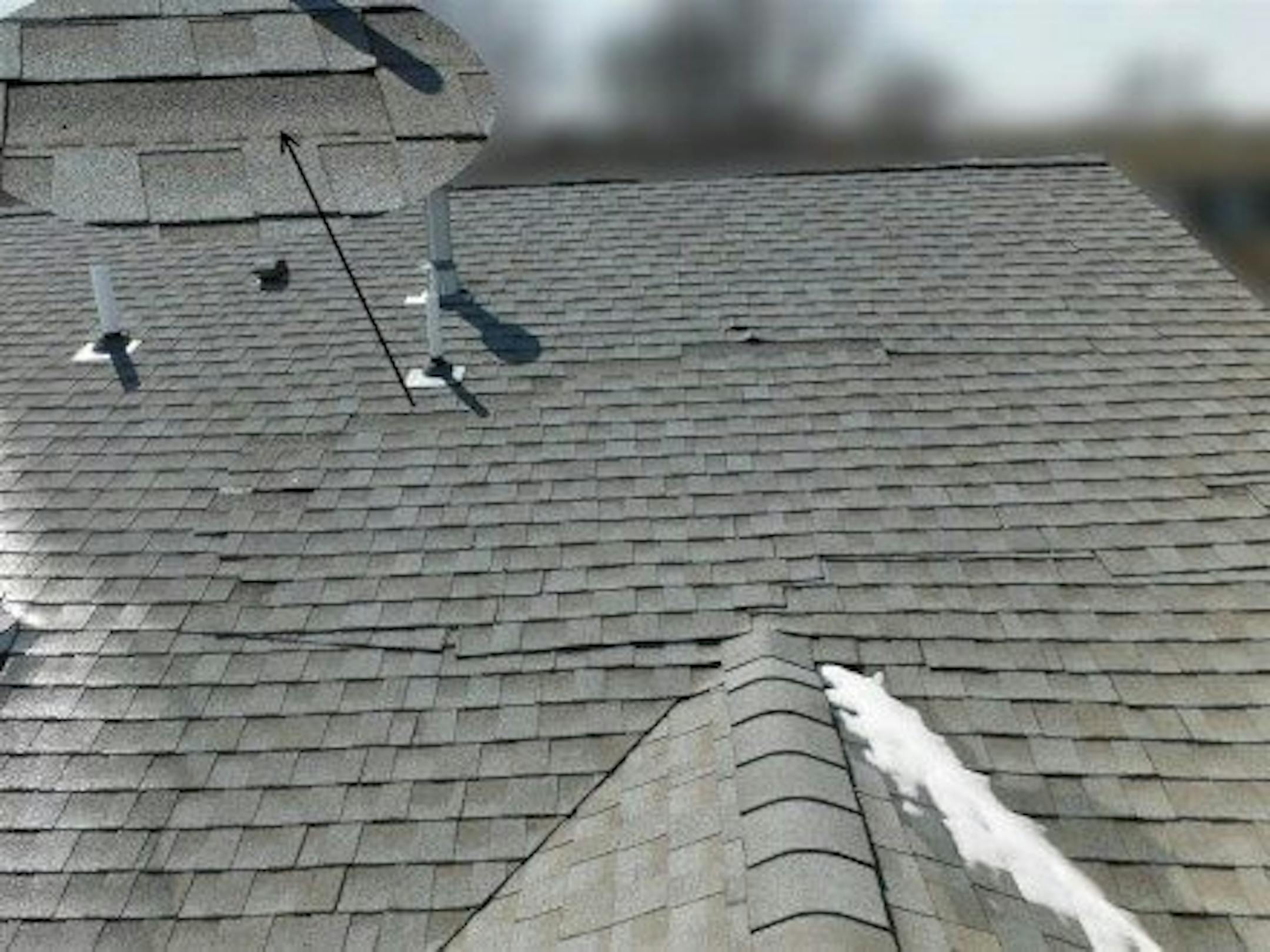
A large section of the roof below had been patched. Why was the roof patched to begin with? A patched roof is often the result of an improper installation that has led to shingles coming loose.
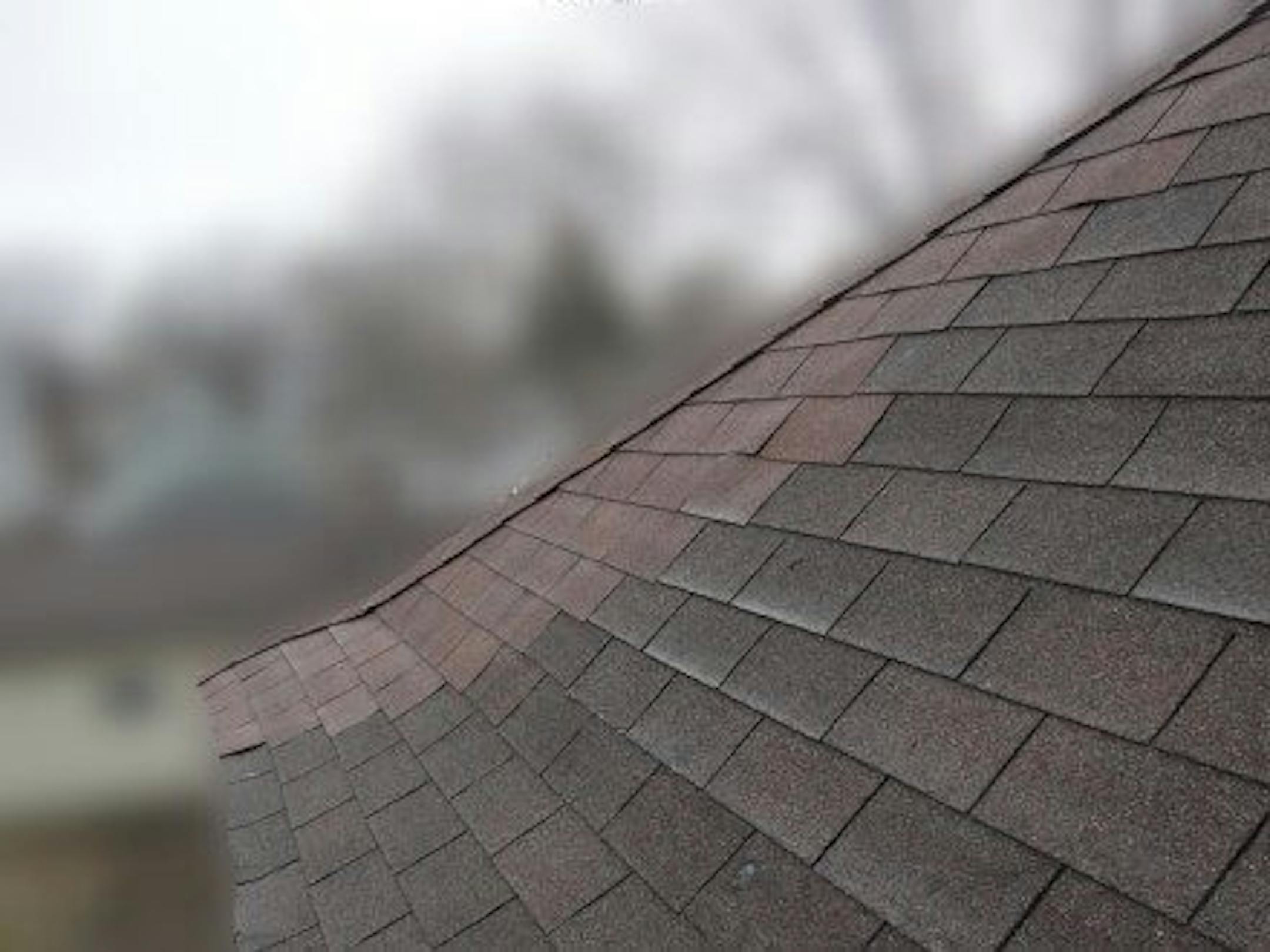
Shingles without neat rows may have been installed that way, but it may also mean that shingles are beginning to slide down. Closer inspection of this roof revealed that the shingles were improperly nailed, causing the shingles to slide down.